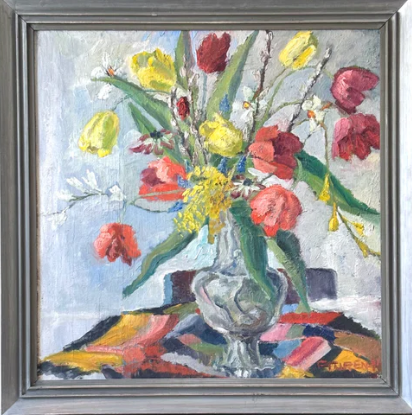
What Makes a Painting “Good”? With Julia Collins
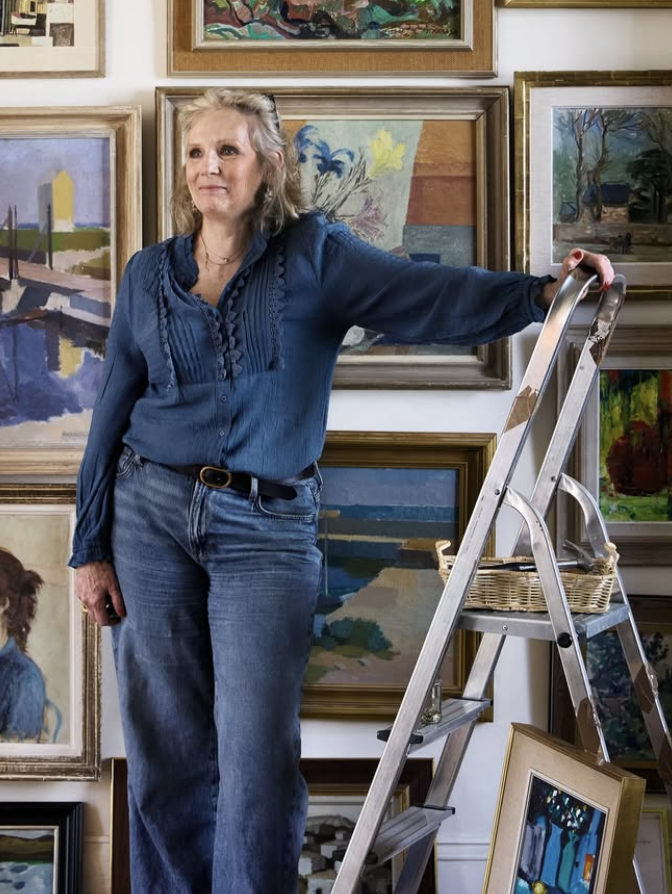
In this guest interview episode, I sit down with Julia Collins, the London-based founder of the art advisory Collins and Green, to talk about how to actually look at a painting — no art history degree required.
Julia has real academic art credentials: courses at the Victoria and Albert Museum, a master's degree from Christie's. But when she walks a client — or me — through a painting, she almost never starts there. Instead, she names the one detail that actually caught her: a color balance, a blank face, a mysterious jug in a still life. This is what I'm calling how to look at art — the practice of noticing your own reaction to a piece before reaching for technicality, provenance, or price, and staying with that reaction long enough to ask why it's there.
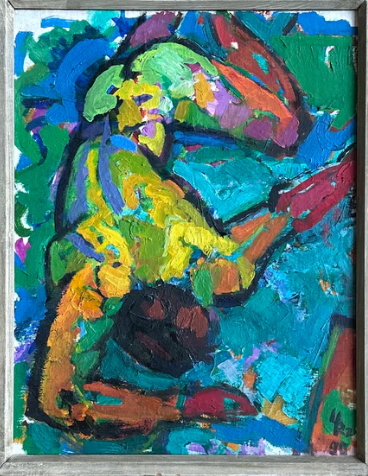
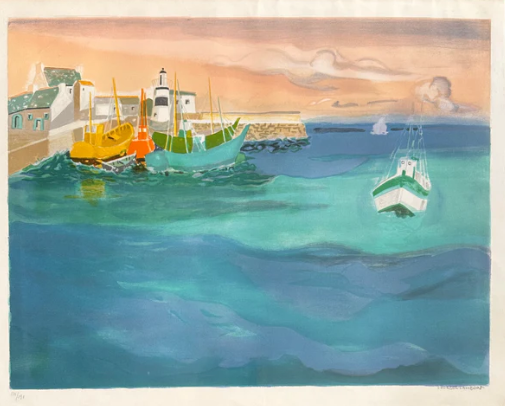
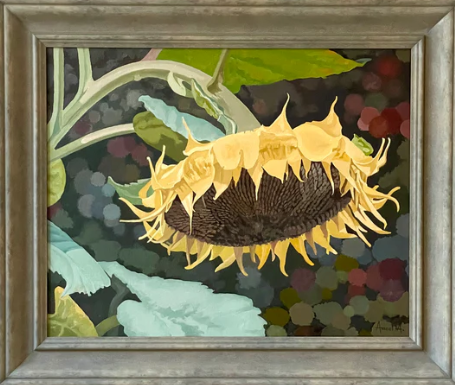
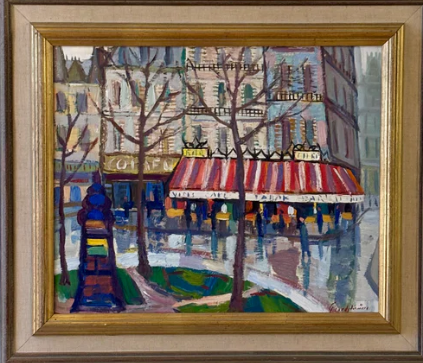
This episode is a room-by-room, painting-by-painting walk through Julia's own collection — mostly 20th-century French and Scandinavian work — and a demonstration of a method anyone can use, whether you're standing in a major museum or your own hallway.
With your monthly subscription, you'll have access to exclusive, full length episodes, both audio and video. After signing up, you'll receive an email with easy instructions on how to add this premium show to your podcast player (Apple, Spotify, etc). And every week, you'll receive a link to the video version. As you may know, in the audio version, I make a strong effort to describe the designs we're looking at. But if you want to see everything for yourself, you'll want to click the link to the video version we'll be sending you.
KEY TAKEAWAYS
How to look at art: start with your reaction, not the technicality
Julia's academic art background is, by her own description, “in many ways irrelevant” to how she evaluates a painting for herself. Instead of leading with technicality, provenance, or market value, she notices whatever detail actually caught her attention first, and treats that reaction as the real information. It's a usable method for anyone standing in front of art without formal training: notice what stops you, then ask why.
Why blank faces in a portrait aren't a flaw
In a set of Scandinavian portraits Julia sells, the faces are left completely blank — no features at all. The character comes through the tilt of a head or the angle of a pair of shoulders instead. That absence does something specific: it leaves space for the viewer to project themselves into the painting, which is part of why these pieces resonate so widely.
A “mistake” that gives a painting life
In a kitchen still life featuring cabbage and onions, a jug sits on the table, and it's genuinely unclear whether it holds vinegar or water. That ambiguity isn't a technical shortcoming — it's what gives the painting motion, implying someone is about to return to the table and pick up a knife. Unresolved detail, done well, reads as life rather than incompleteness.
Why an experienced dealer won't restore a chipped frame
Julia deliberately leaves some of her paintings in imperfect frames — chipped paint, uneven gilding — rather than restoring them to a “perfect” state. She considers the wear part of the object's appeal, not a defect to correct. It's a useful reminder for anyone deciding whether to refinish an inherited piece: sometimes the wear is the value.
There's no universal “good” — and that's liberating, not destabilizing
Julia once bought two paintings at auction that she genuinely hated, and left them out of her inventory for roughly three years out of professional discomfort. When she finally listed them, a longtime client bought both within a week — and never purchased from her again. Her takeaway, and mine: taste is entirely subjective, there's no single correct answer, and that fact should lower the stakes on every art decision you make, not raise them.
Recurring motifs are worth noticing across an artist's body of work
One Swedish painter Julia represents traveled extensively through France, working mainly around the Côte d'Azur and at Giverny, and left the same sunhat in nearly every painting she made — on a table, on the back of a chair — because it traveled with her. Recognizing a signature detail like this across multiple pieces is one way to develop a more informed eye without any formal art history training.
Affordable art is a real category, not a compromise
Most of Julia's inventory sells for under £1,000, and she's intentional about keeping prices accessible — including a set of limited-run prints she once priced at £99 specifically so more people could buy original, considered art at Christmas. Her stance: art can be elitist, and she actively works against that, believing everyone deserves to live with pieces that genuinely move them, regardless of budget.
Julia Collins is the founder of Collins and Green, an art advisory based in London specializing in mostly 20th-century French and Scandinavian paintings. Find more guest interview episodes and full show notes at SlowStyleHome.com/podcast.
Links mentioned in the episode:
Julia’s Website