
Your Style DNA:
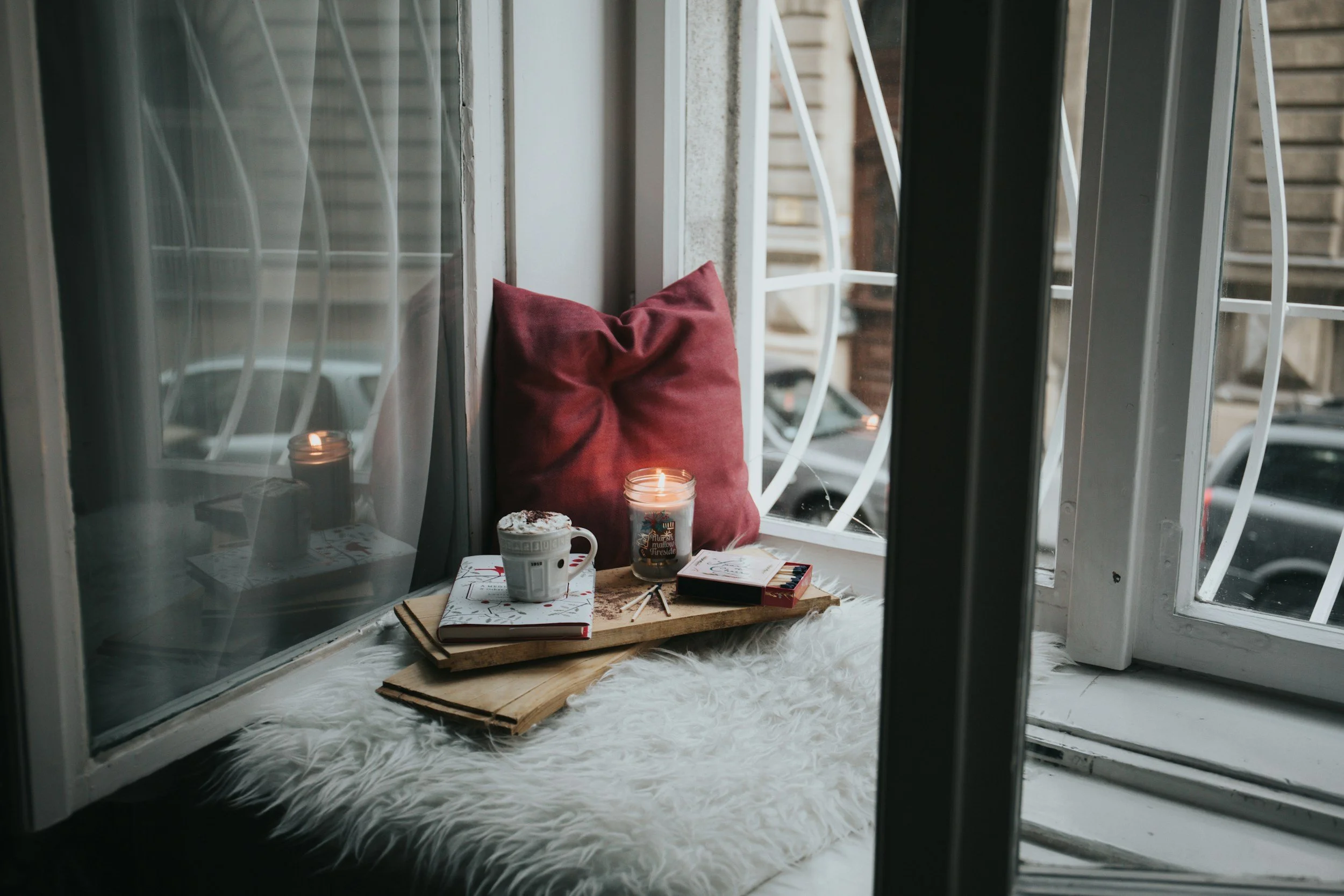
You’re a SENSORY NESTER
Your Main Obstacle:
Starting with a BLANK PAGE
YOUR DESIGN PERSONALITY
Your home isn't a backdrop — it's a living, breathing extension of who you are and how you love.
You feel things deeply, and your home needs to match that.
You're drawn to spaces that have warmth and texture and personal meaning woven into every corner — a well-worn quilt, a handmade bowl, a plant that's been with you through three apartments.
You're not interested in showrooms.
You want a home that wraps around you like a favorite sweater.
When it's working, people walk in and immediately feel welcome, because they can feel that a real human lives here.
YOUR STARTING POINT
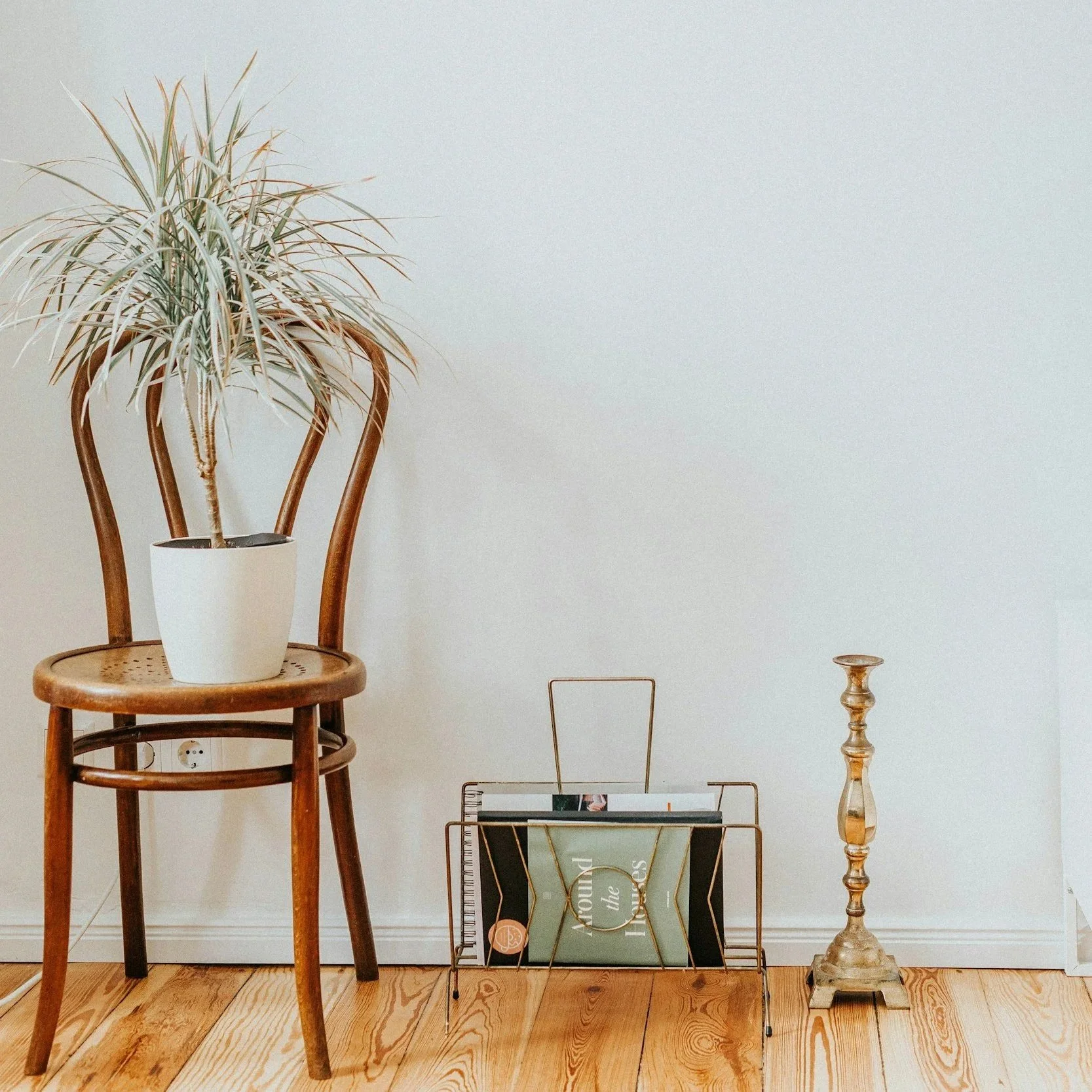
The biggest mistake people make with a fresh start is rushing to fill the space.
YOUR FIRST ACTION
Why This First
Before you buy a single thing, you need to live in the room for a bit. Notice where your daily rhythms naturally land — where you gravitate to sit, where you drop things, where you linger. Pay attention to how the light moves through the room across the day and across the seasons. The room is already telling you something. The vision exercise is how you start listening to it.
What To Do
Sit in the room quietly for a few minutes. But unlike other design personalities who might start by thinking about what the room should look like, start with what you want to feel and sense. Is it warm or cool? Bright or dimly lit? What do you want things to feel like to the touch? What do you want it to smell like? Is it quiet, or is there music, or the sound of nature coming through a window? Write all of it down. Only then ask yourself what you see. That sensory memory of a room you haven't created yet is your design brief — and it's more useful to you than any Pinterest board.
The Challenge
Resisting the urge to go shopping before the vision is clear. For a Sensory Nester, beautiful things are everywhere and very hard to walk past. But bringing things home before you know what the room needs is how you end up with a collection of lovely objects that don't quite add up to a room you love.
Some Encouragement
Your instincts are exquisite. You just need to give them a little structure to work within — and the vision is that structure.
WHAT COMES NEXT
Your Design Personality and your Starting Point are just that — a starting point.
Where you go from here depends on things a quiz can't ask you: your stage of life, your budget, who you share your home with, and the specific rooms that need the most attention.
That's exactly why I created the Slow Style Framework.