
Your Style DNA:
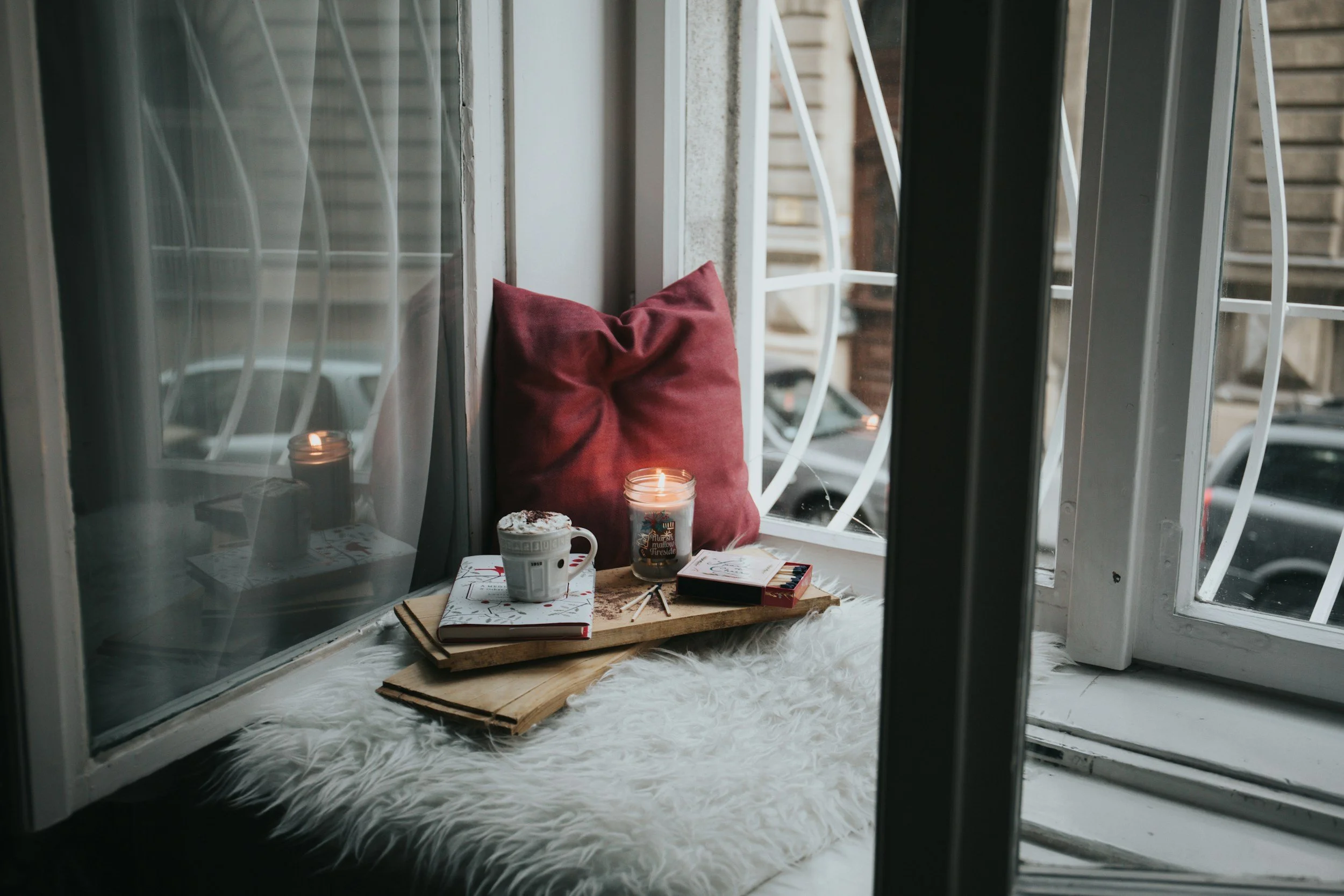
You’re a SENSORY NESTER
Your Main Obstacle:
Navigating through a DECISION FOG
YOUR DESIGN PERSONALITY
Your home isn't a backdrop — it's a living, breathing extension of who you are and how you love.
You feel things deeply, and your home needs to match that.
You're drawn to spaces that have warmth and texture and personal meaning woven into every corner — a well-worn quilt, a handmade bowl, a plant that's been with you through three apartments.
You're not interested in showrooms.
You want a home that wraps around you like a favorite sweater.
When it's working, people walk in and immediately feel welcome, because they can feel that a real human lives here.

YOUR STARTING POINT
Most design paralysis happens because you're evaluating things without any context.
YOUR FIRST ACTION
Why This First
A clear vision doesn't just tell you what belongs in a room — it tells you what doesn't even need to be considered. That sofa you keep going back and forth on? Your vision will either rule it in or rule it out, and either way you'll feel clearer than you have in months.
What To Do
Sit in the room quietly for a few minutes. Then write down how you want to feel when you're in this room — and for you, go deep on the sensory details. What do you want to touch? What do you want to smell? What do you want to hear? The more specific your sensory vision, the easier it becomes to evaluate anything you're considering. Does that sofa feel like it belongs in this vision? You'll know immediately.
The Challenge
You feel things deeply, which means you can fall in love with something in the store and lose sight of whether it actually belongs in the room you're creating. The vision is your anchor. Come back to it every time you feel yourself being pulled toward something beautiful but possibly wrong.
Some Encouragement
You were never really confused about what you love. You just needed a way to channel it. The vision gives you that.
WHAT COMES NEXT
Your Design Personality and your Starting Point are just that — a starting point.
Where you go from here depends on things a quiz can't ask you: your stage of life, your budget, who you share your home with, and the specific rooms that need the most attention.
That's exactly why I created the Slow Style Framework.