No One’s Home Looks Generic in France with Danielle Postel-Vinay
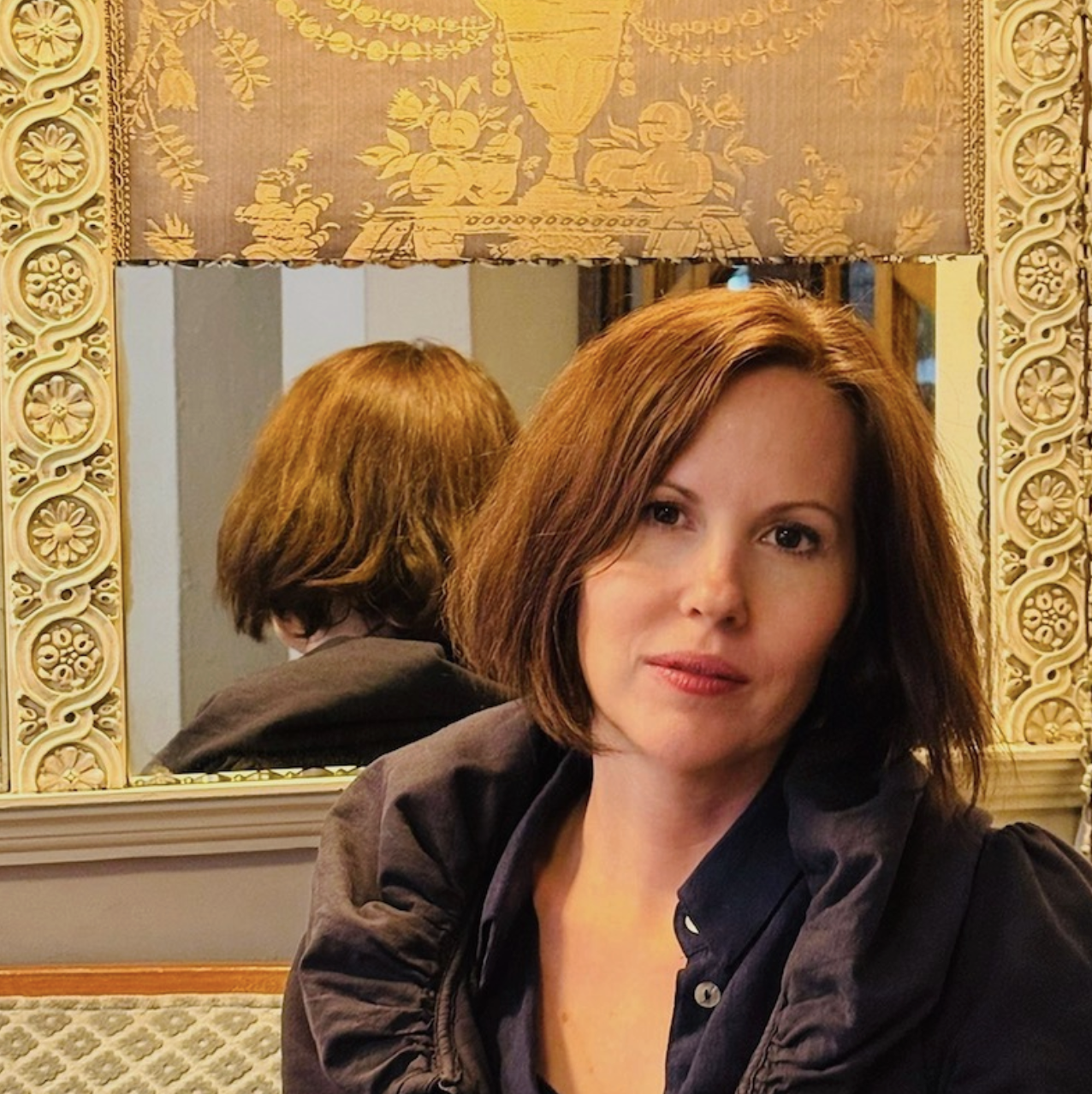
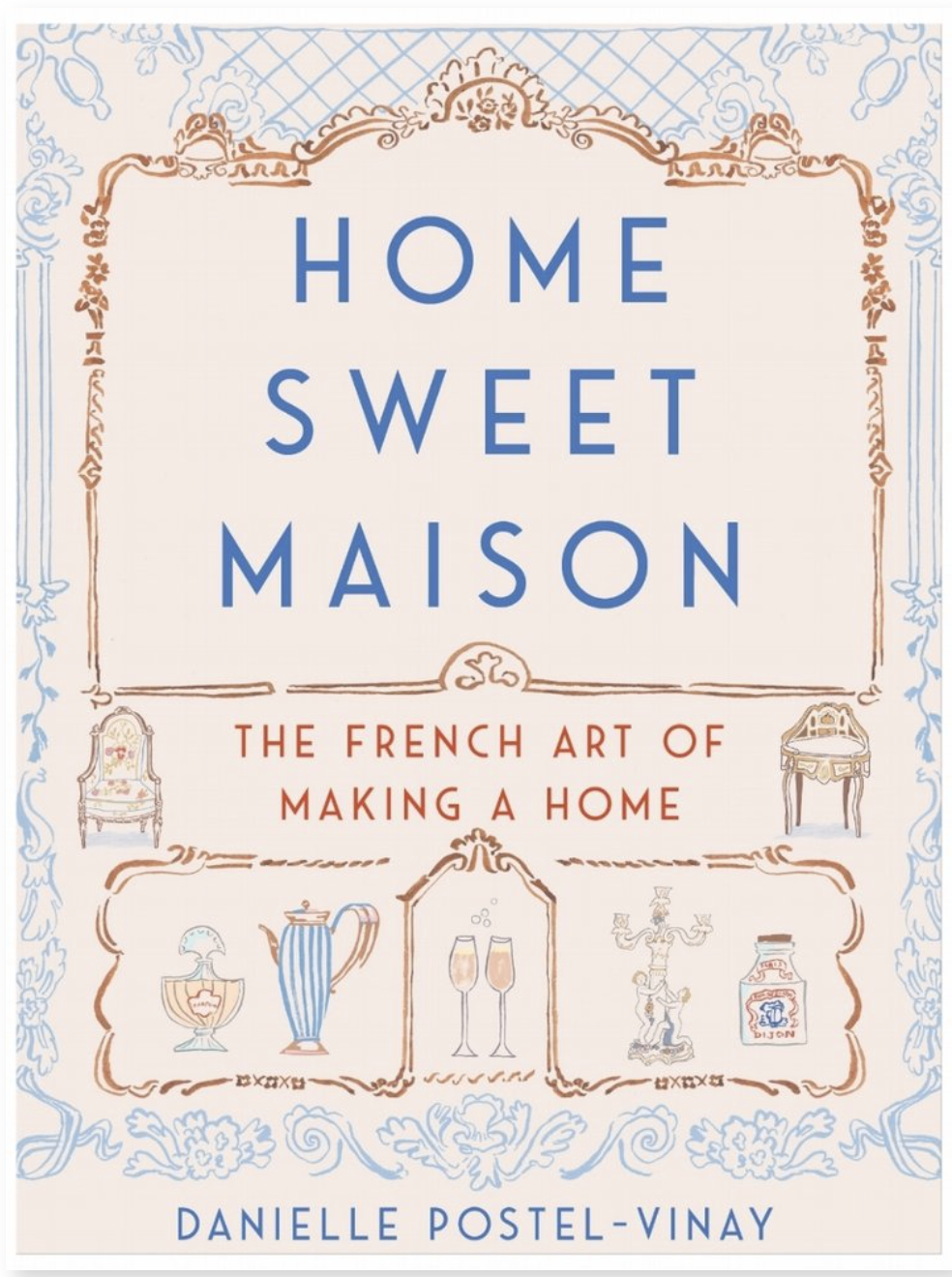
In this guest interview episode, I sit down with Danielle Postel-Vinay — a New York Times book columnist and, under the name Danielle Trussoni, an award-winning novelist — to talk about her book Home Sweet Maison: The French Art of Making a Home. Danielle spent five years living in France, married into a French family, and studied French domestic life from the inside, first as a teenager mentored by a French antique dealer and later as an adult observing her husband's family's home in Paris and their house in Brittany.
This episode is about what I'm calling home as a vessel for your vision of life. It's a reframe of an idea I talk about often — that your home is a visual autobiography — pushed a step further. A visual autobiography can tip inward, into something self-focused. A vessel for your vision of life is outward-facing: a home built to carry what you value and offer it, on purpose, to the people who enter it. Danielle's book and our conversation are full of examples of what that looks like in practice, room by room.
We cover the French entrée (entryway), the salon, the salle à manger (dining room), the boudoir, and the daily ritual of the six o'clock apéro — and what each of those spaces reveals about a culture that treats a home as a deliberate offering rather than a passive backdrop.
With your monthly subscription, you'll have access to exclusive, full length episodes, both audio and video. After signing up, you'll receive an email with easy instructions on how to add this premium show to your podcast player (Apple, Spotify, etc). And every week, you'll receive a link to the video version. As you may know, in the audio version, I make a strong effort to describe the designs we're looking at. But if you want to see everything for yourself, you'll want to click the link to the video version we'll be sending you.
Key Takeaways
Home as a vessel for your vision of life
The idea that anchors this episode: a home isn't only a mirror of who you already are, it's something you build to offer outward, to whoever walks through the door. Danielle's own words — describing her mentor Jacqueline's house as “a vessel for her vision of life” — reframe the idea of a home as autobiography into something less self-focused and more generous: a declaration of what you value, offered to your guests rather than curated only for yourself.
The French entrée: why the entryway is an embrace, not a hallway
In French homes, the entrance is rarely a purely functional space. It's often decorated with personal, representative objects — art, books, collections — that telegraph who the family is before a single word is spoken. Danielle describes her French in-laws' entrée in Paris: a case of antique medical curiosities and leather-bound journals (both parents are doctors), followed by a model ship in a glass dome and a painting of another ship (a family passion for sailing). By contrast, the American entrance she grew up with was functional — a coat rack, a rug to wipe your feet, at most a smiling family photo — a place to get past, not a place to linger.
Why the French don't invite just anybody over
Because a French home functions as this kind of outward offering, an invitation into one — especially for a meal — is comparatively rare, and treated as meaningful. Danielle describes it as “all the doors flung open”: a level of intimacy and connection that lingers for years after. This is the flip side of building a home with intention — it raises the stakes of who gets to see it.
One room, one purpose
French homes tend to keep rooms distinct by function in a way many American homes, with open floor plans, no longer do. The salle à manger (dining room) is for eating; the salon (living room) is for conversation — rarely, if ever, arranged around a television, and never used for eating. Furniture and art in the salon are frequently chosen specifically because they spark conversation — Danielle describes a 19th-century painting of three doctors in her in-laws' salon that reliably becomes a conversation piece for guests who've never heard the story.
Ritual and rule-breaking can coexist
One of Danielle's central observations: French domestic life pairs codified ritual with permission to occasionally break it. She describes her mentor Jacqueline moving a small café table to the fireplace, setting it with her finest porcelain and beautiful dishware — and then eating the meal, a springtime platter of asparagus with aioli, entirely with her fingers, barefoot. Knowing the rules well enough to choose when to set them aside, rather than abandoning them altogether, is what keeps a ritual feeling alive rather than rigid.
The real meaning of the boudoir
Contrary to its racy reputation in English (inherited from overheated 19th-century novels), the boudoir in French domestic tradition is simply a woman's private space — originally a dressing and grooming room, historically used away from husbands and other men in the house. In Jacqueline's home, her boudoir held her jewelry collection, her knitting, her books — a private place to recharge, think, and write, on par in privacy with a bedroom. Being invited into someone's boudoir is a marker of real closeness.
The six o'clock apéro: a room designed around conversation
The daily apéro ritual — friends invited over at six for wine and small snacks, typically wrapping by seven or seven-thirty — happens almost exclusively in the salon, a room whose furniture and objects are arranged specifically to facilitate talk rather than screen time. Occasionally it extends into an apéro dînatoire, an unplanned continuation into a light dinner, but Danielle notes this is reserved for close friends and family.
Danielle Postel-Vinay is a New York Times book columnist and, writing as Danielle Trussoni, an award-winning novelist. She is the author of Home Sweet Maison: The French Art of Making a Home. Find more guest interview episodes and full show notes at SlowStyleHome.com/podcast.
Links mentioned in the episode:
Buy the book on Bookshop.org (support independent book sellers)
Buy the book on Amazon.