Down the DIY Rabbit Hole: The case for handmade, whether you make it or buy it.

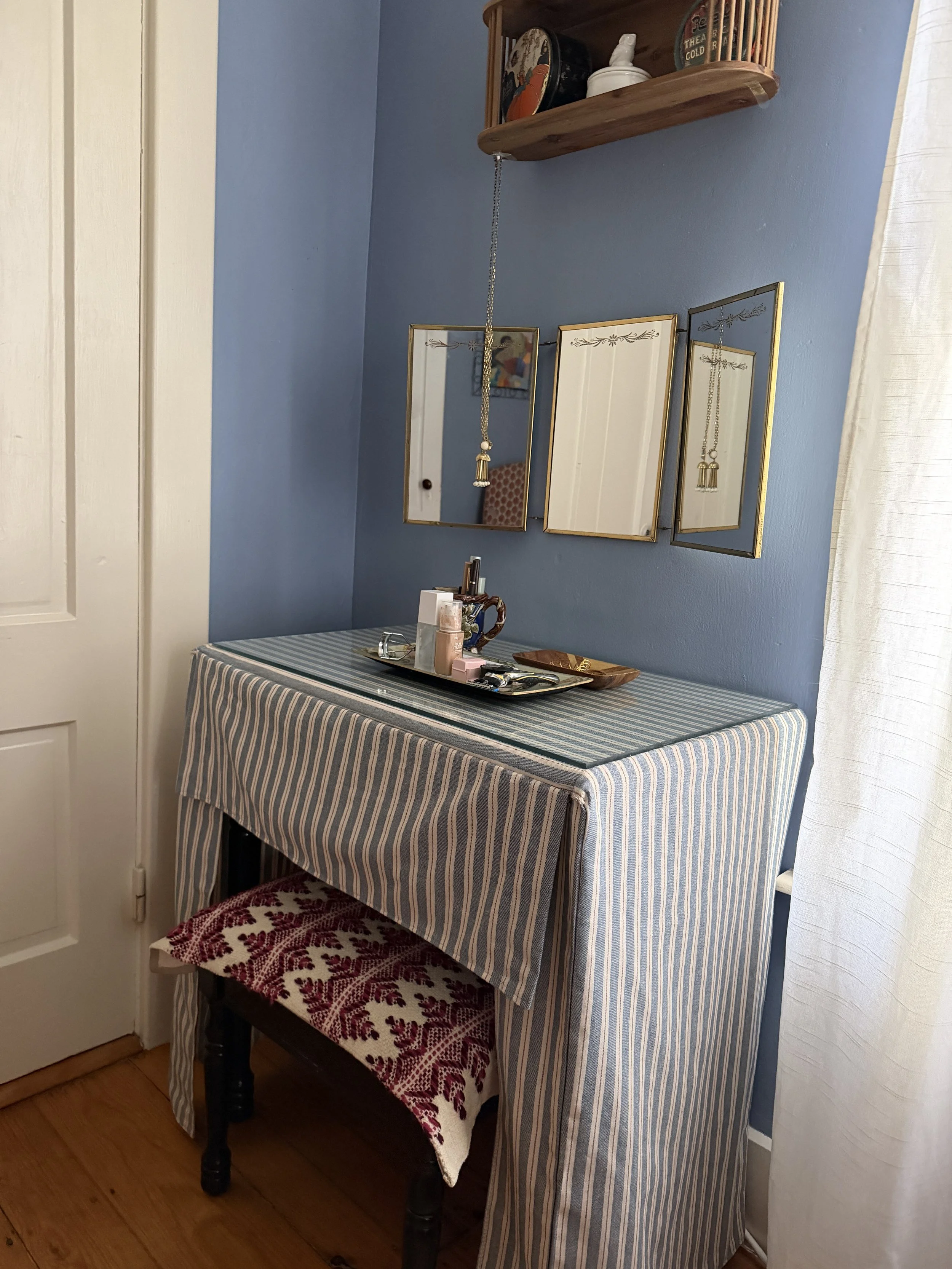
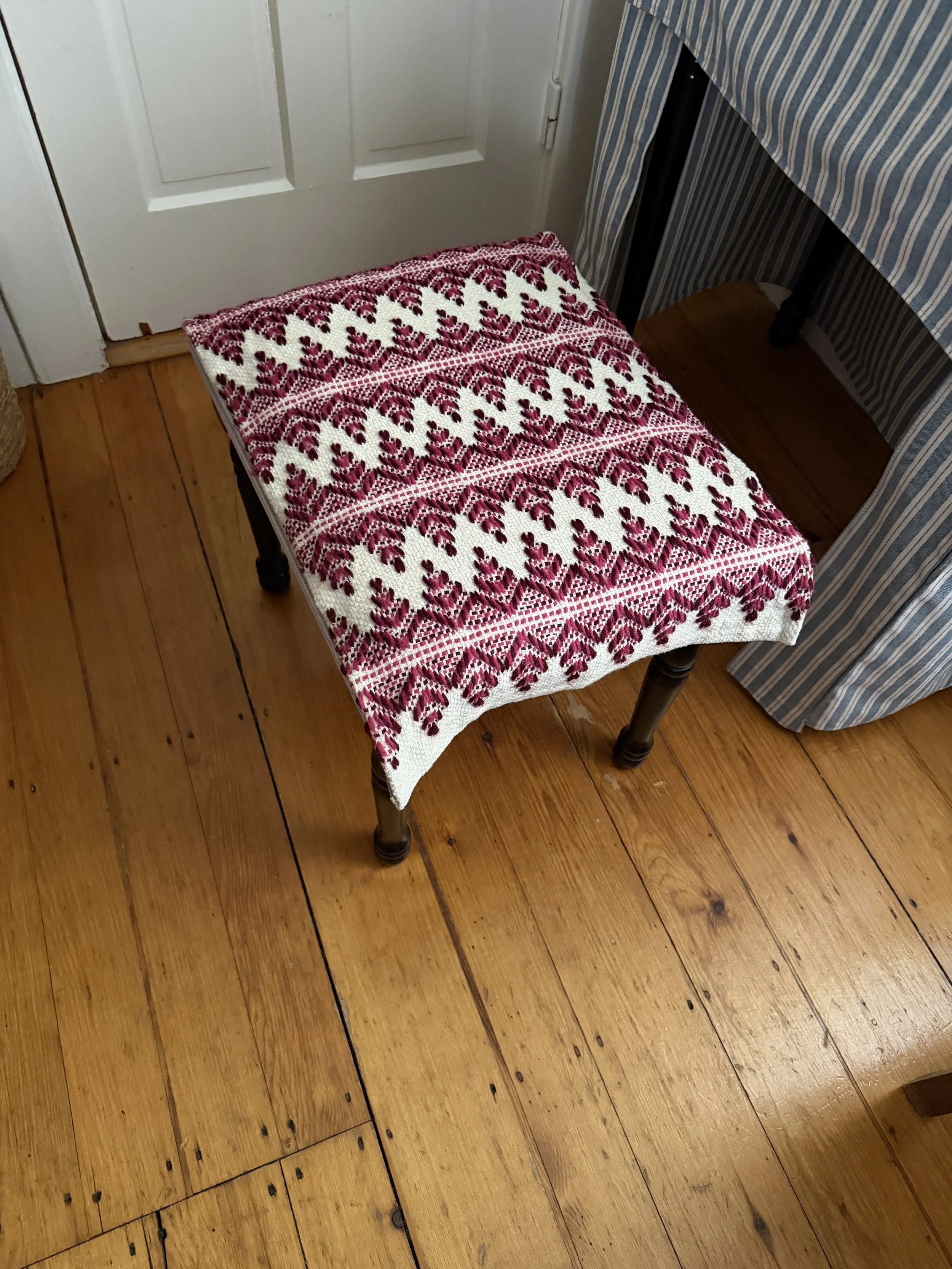
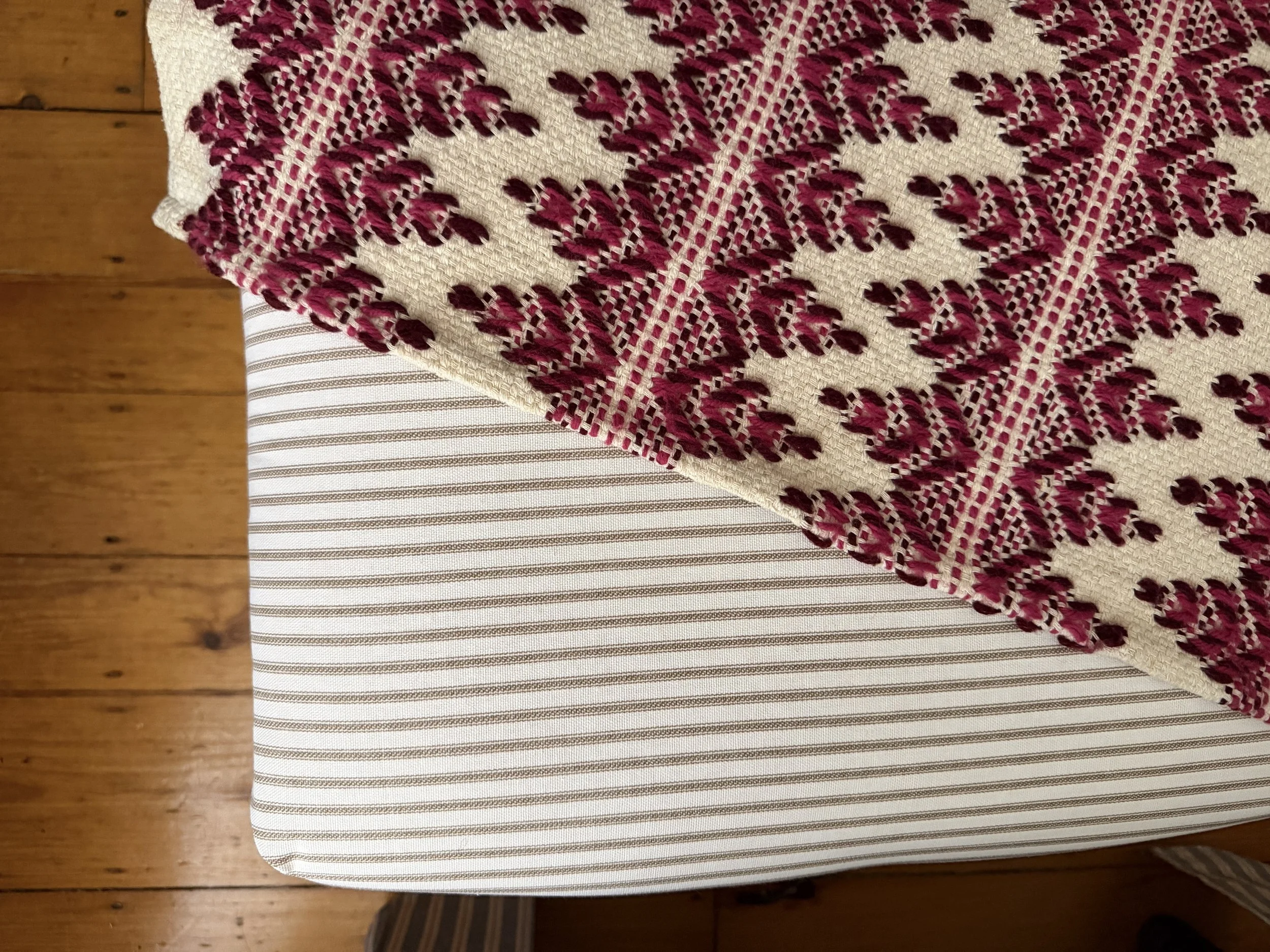
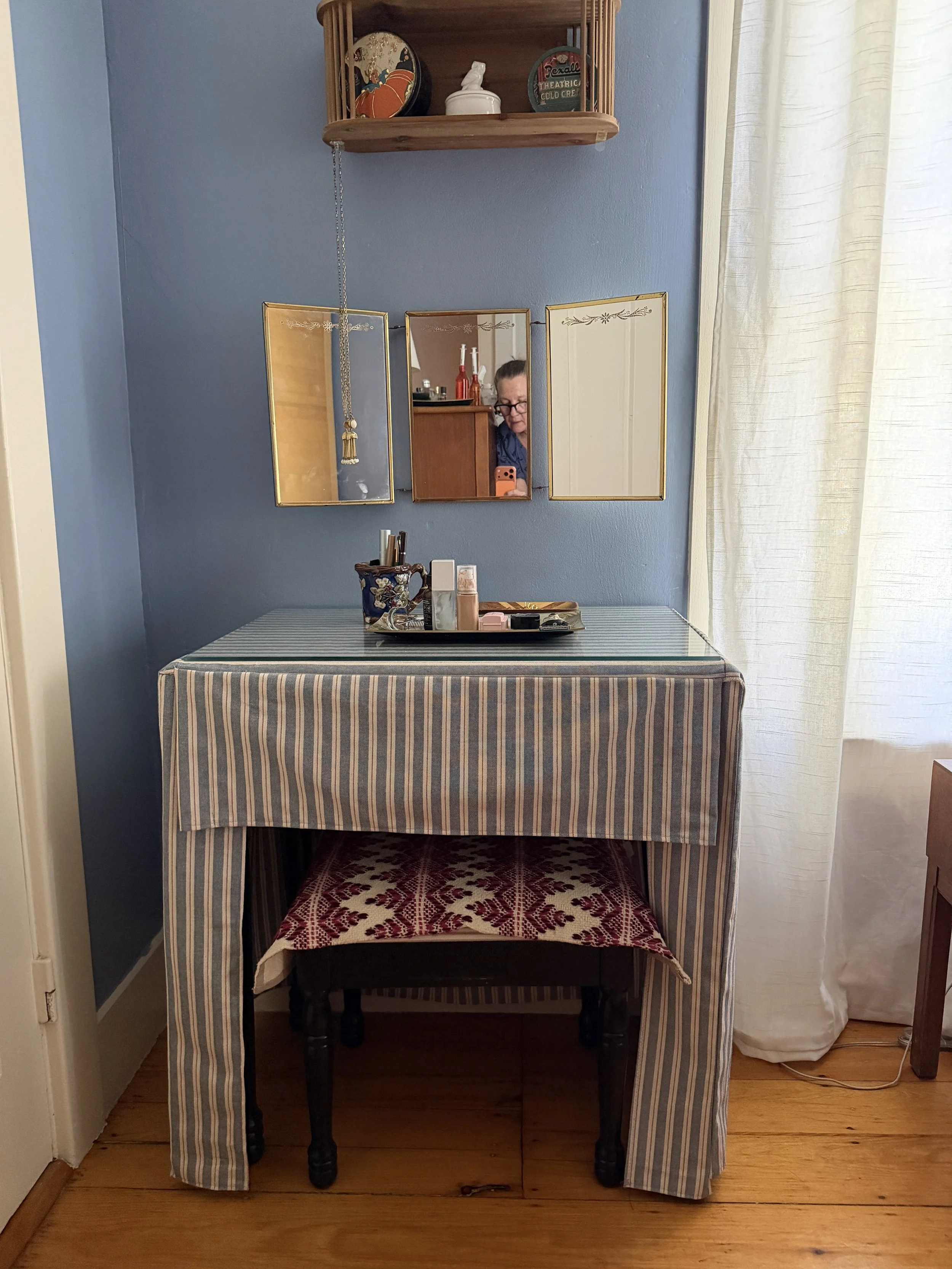
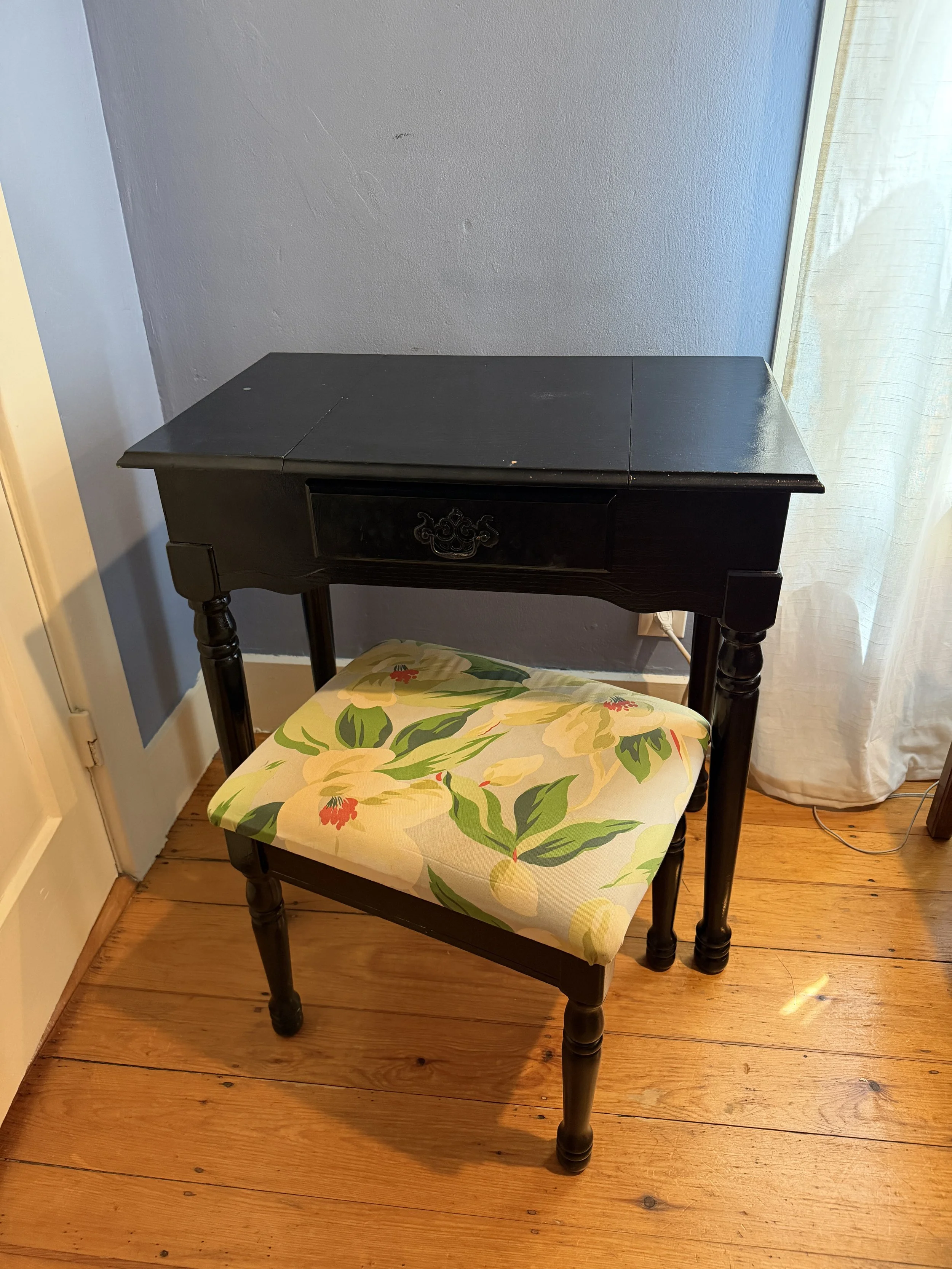
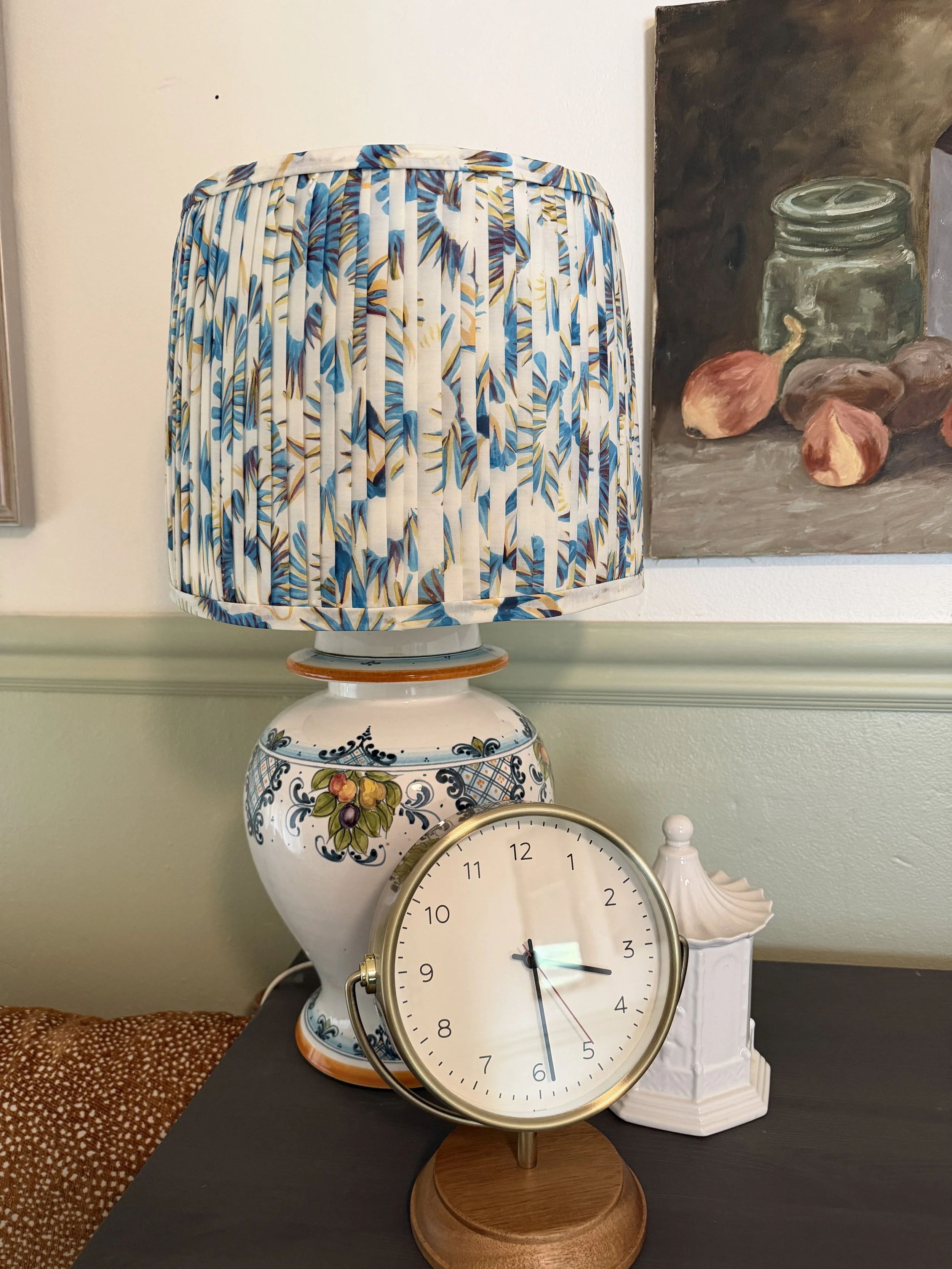
In this solo episode, I pull a chapter straight from my book, Slow Style Home — Handmade — and walk through a real chain of handmade decisions I made in my own house over the course of a few weeks. What started as a single paint color in my office turned into custom curtains, a pleated lampshade, a swapped-out dresser, a skirted vanity, and a recovered stool.
The idea underneath all of it — what I'm calling handmade as relationship, not category — is that handmade objects aren't a style checkbox the way “farmhouse” or “coastal” are. They're a relationship: to the maker who made something, to the place where you found it, or to your own hands if you made it yourself. That distinction changes how you shop, what you notice in your own home, and why an imperfect handmade project can still be one of your favorite objects in the house.
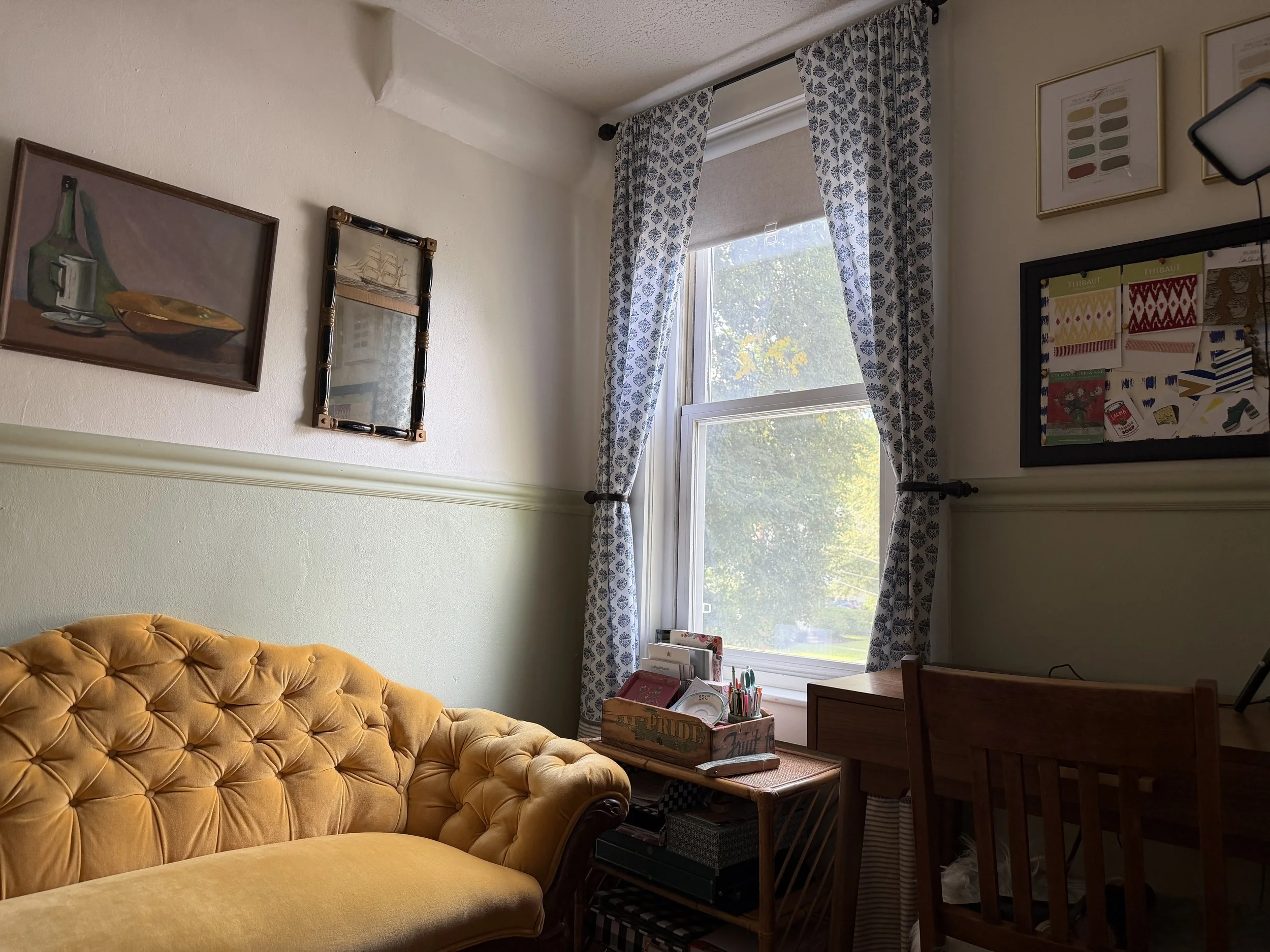
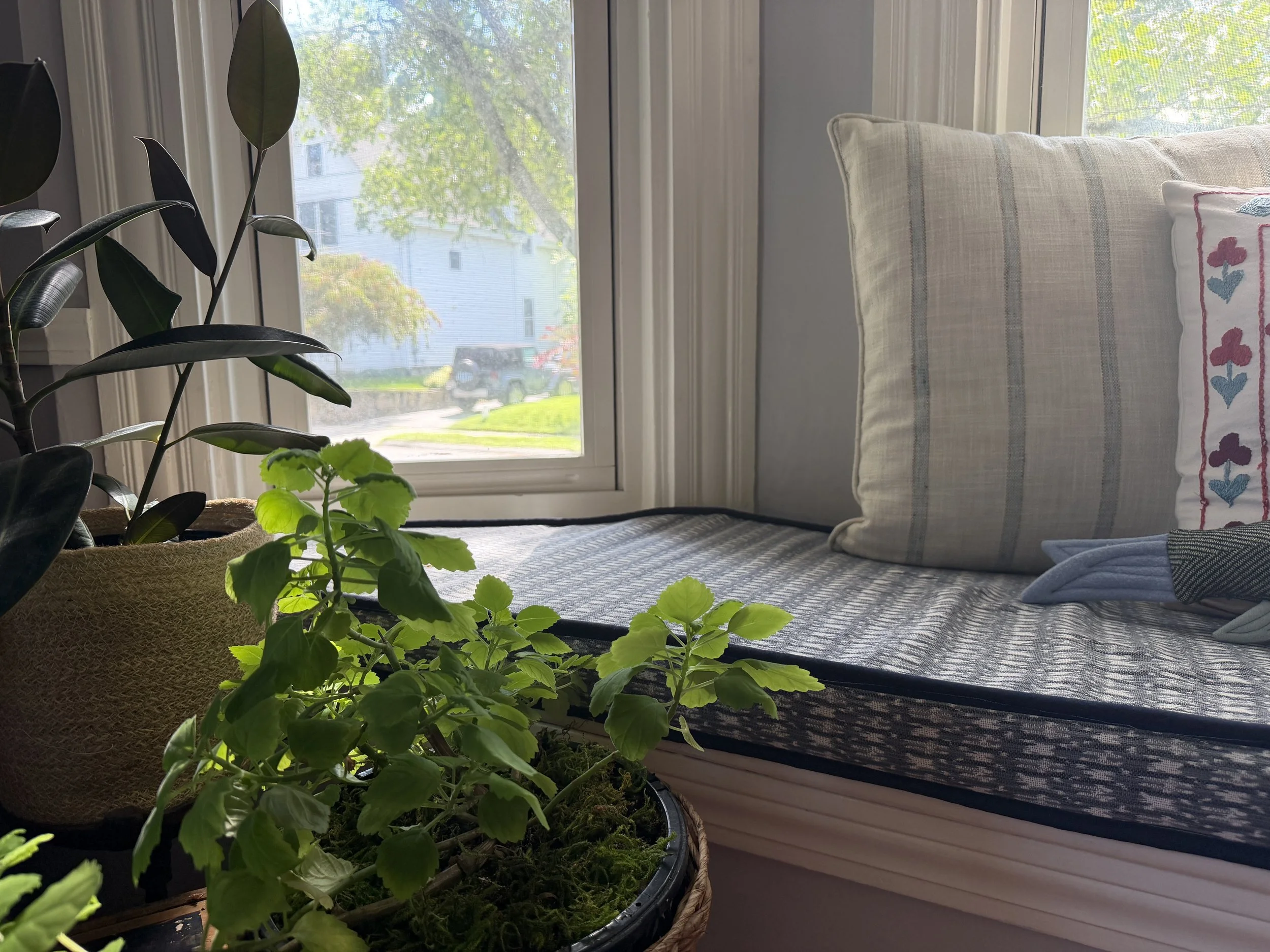
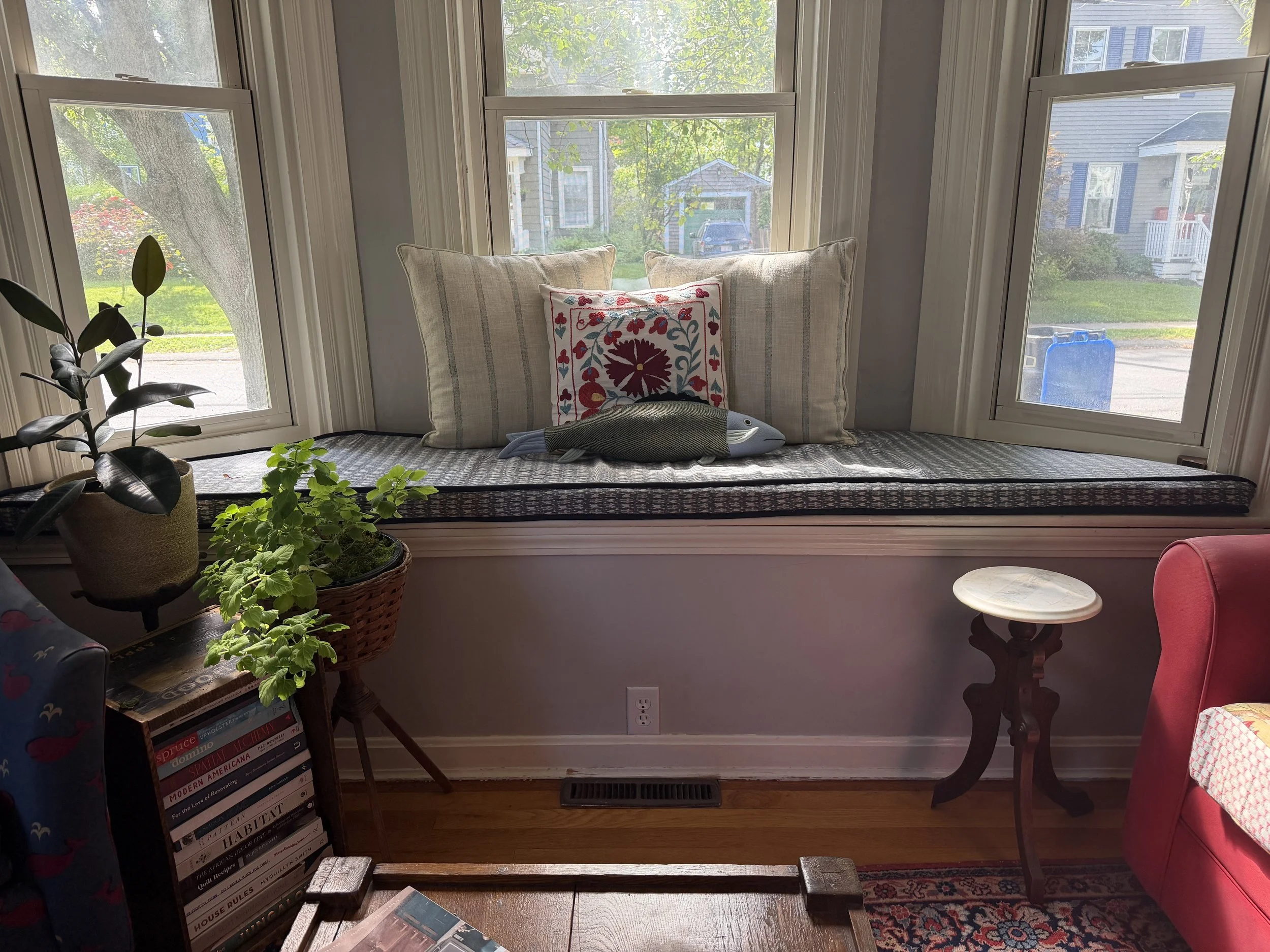
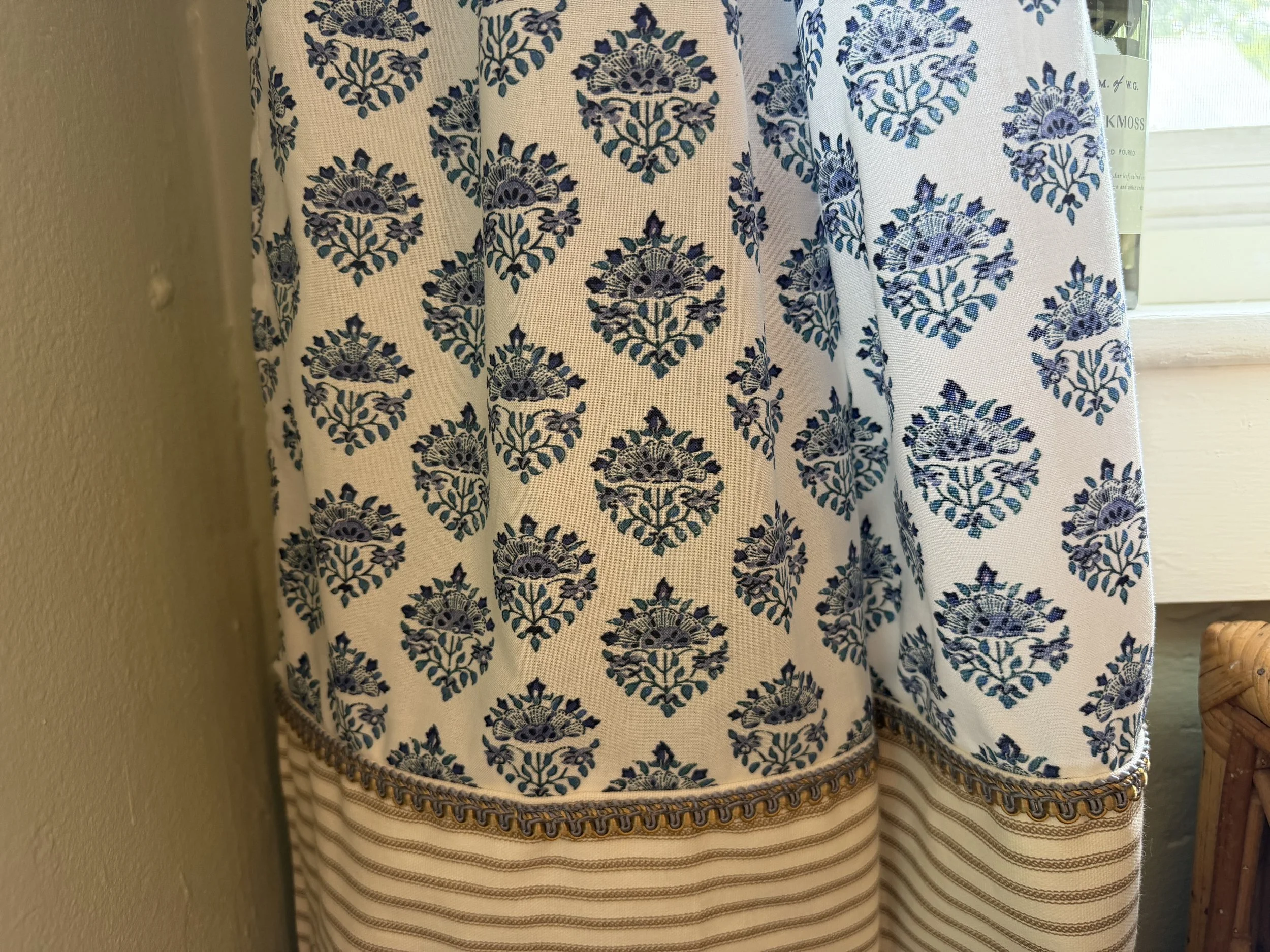
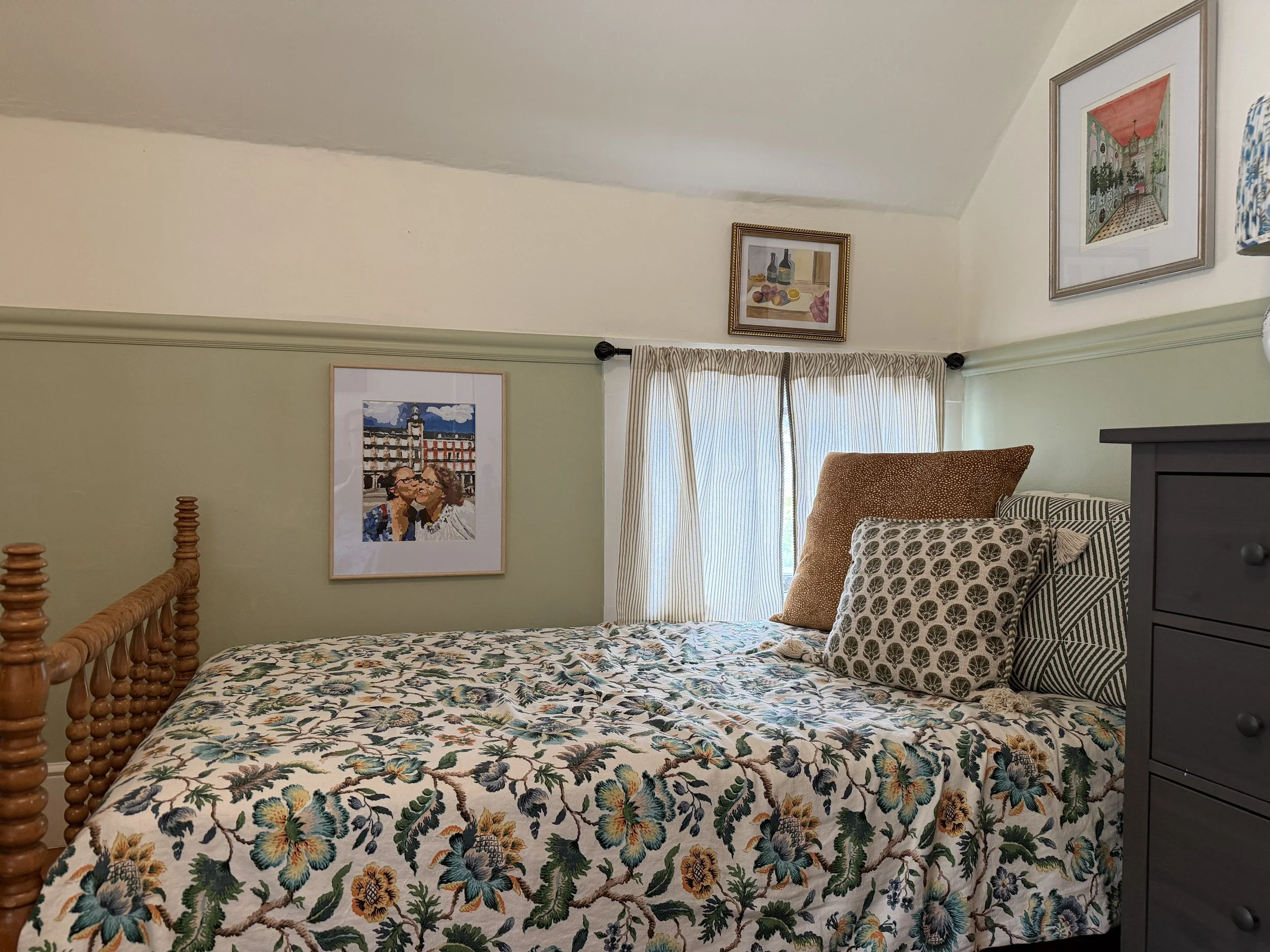
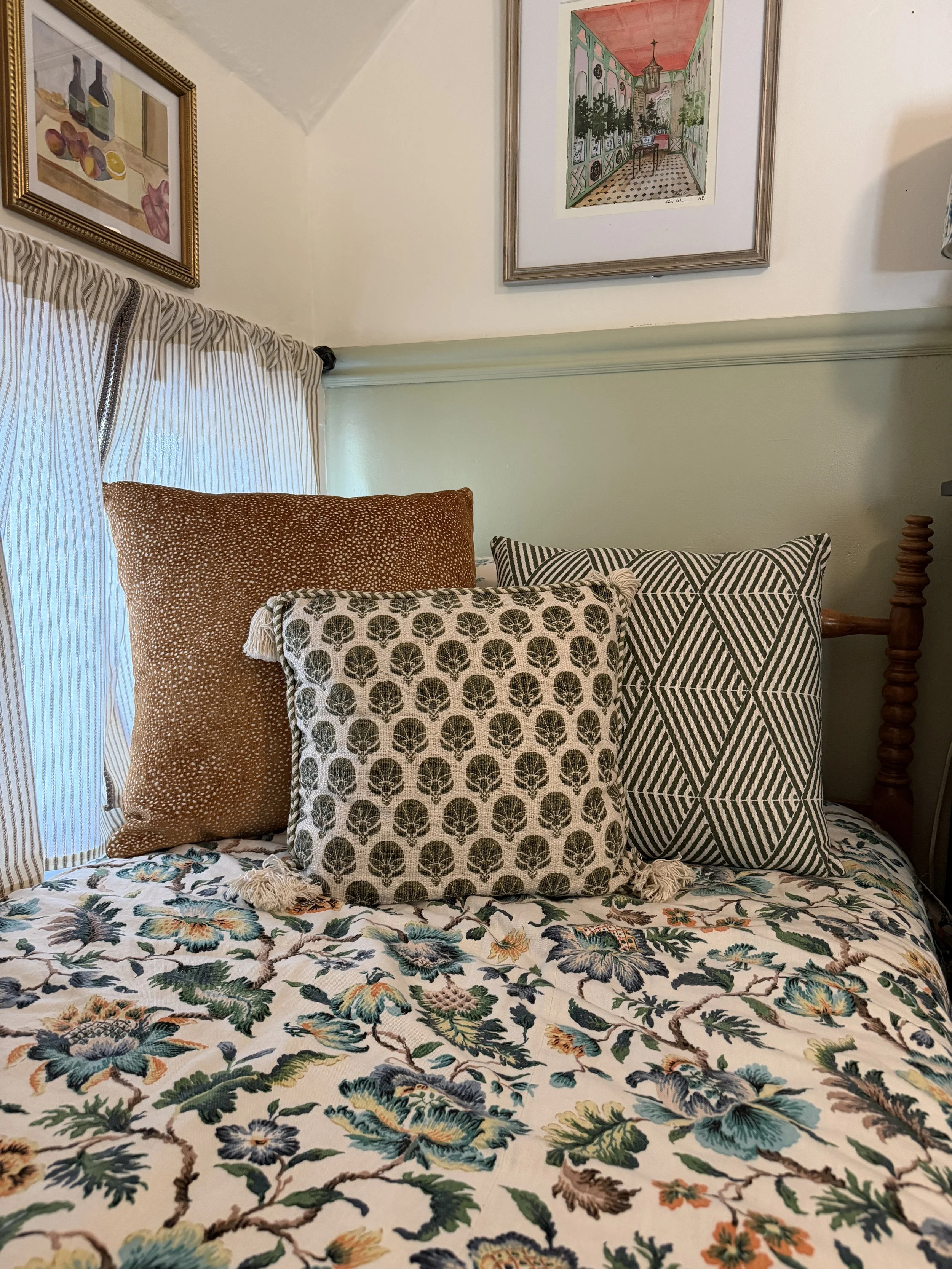
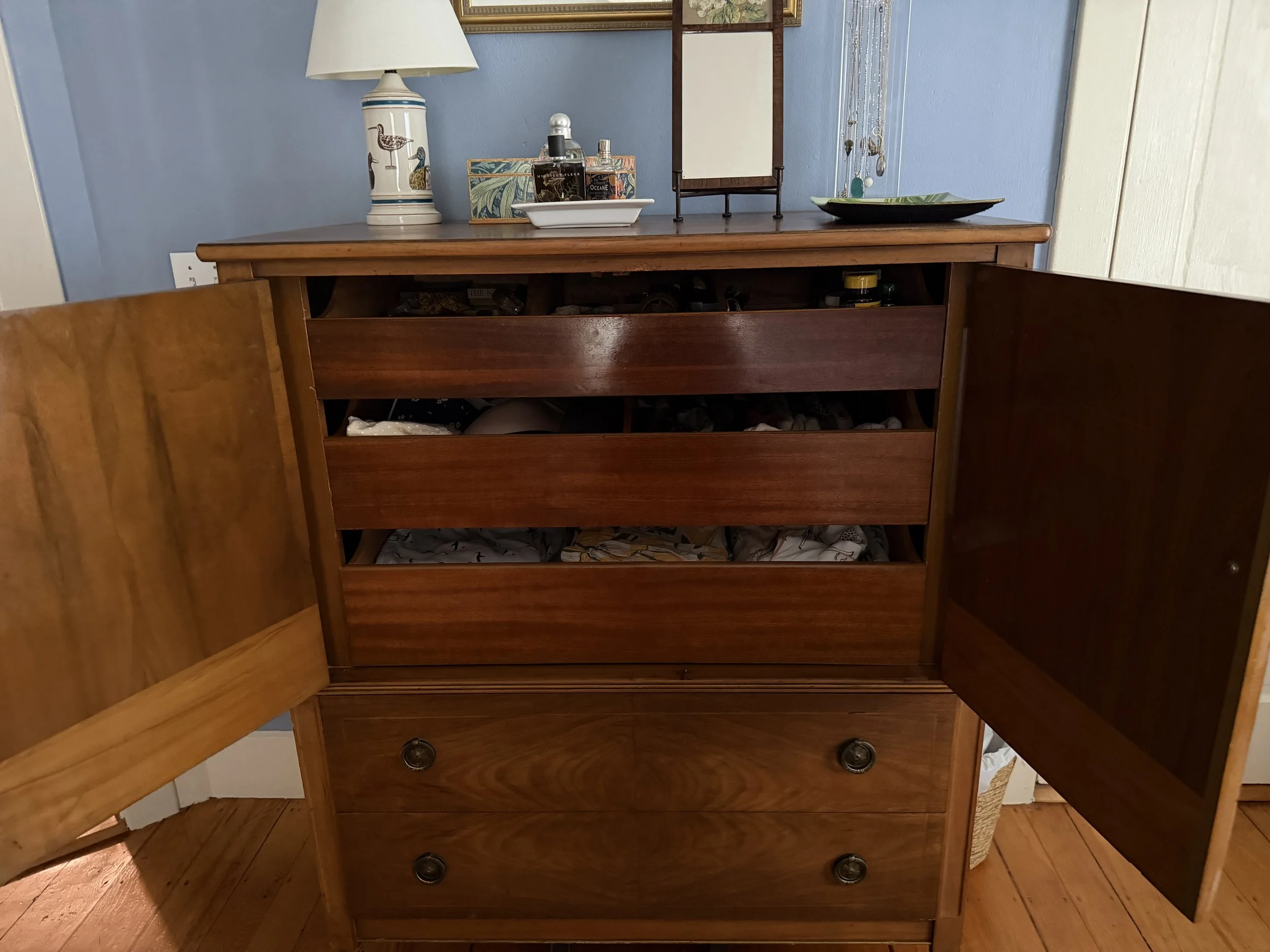
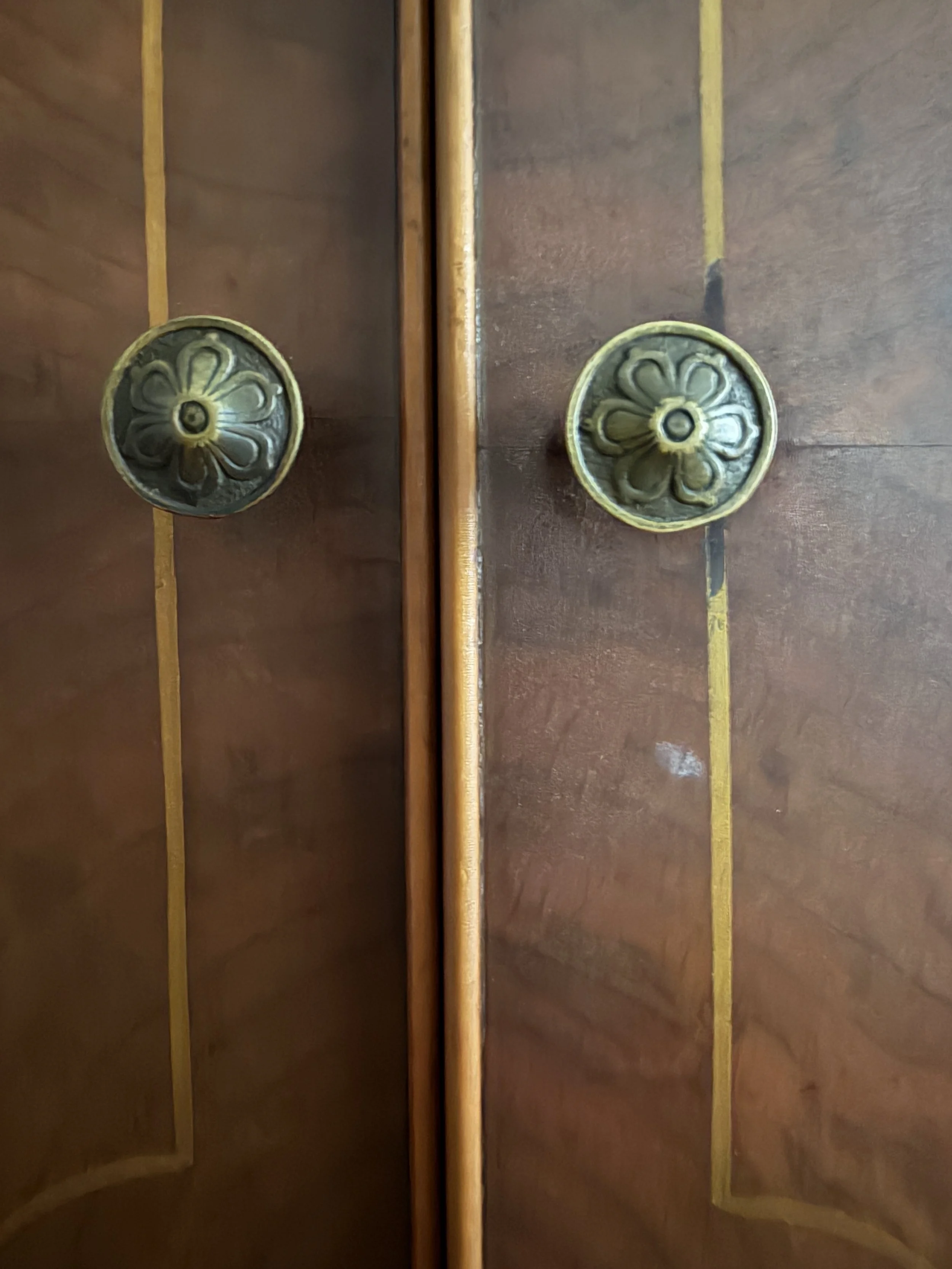
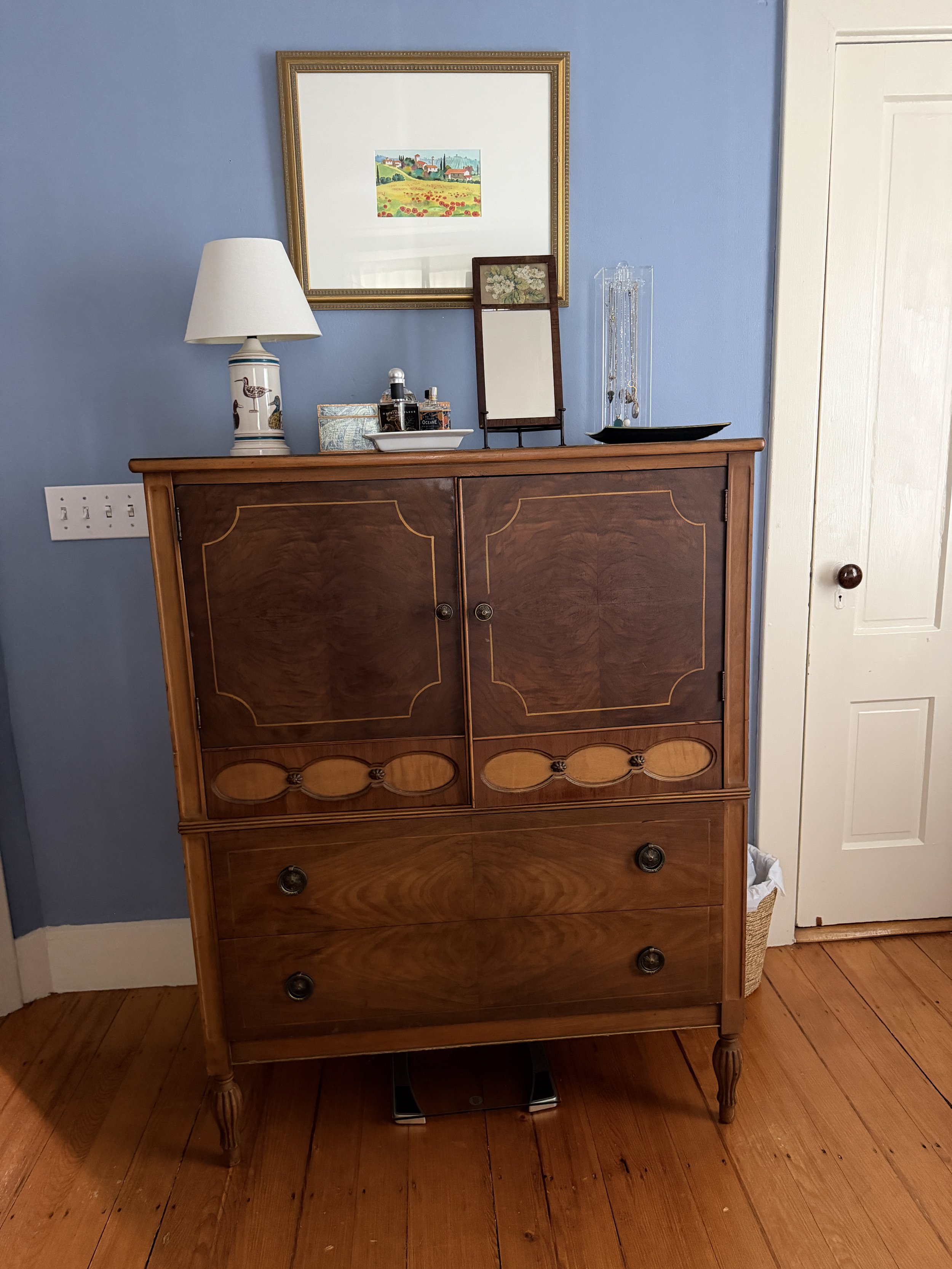
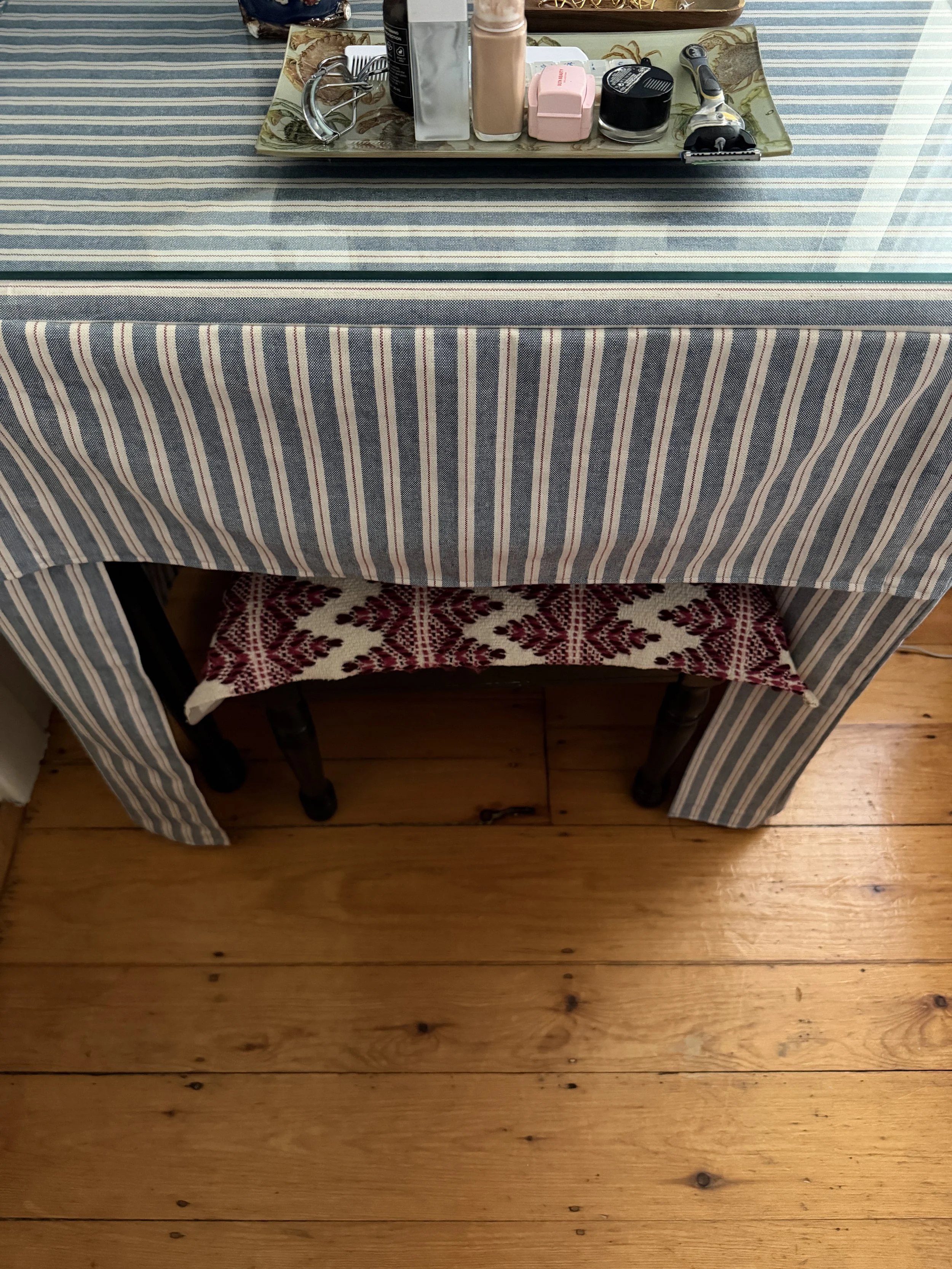
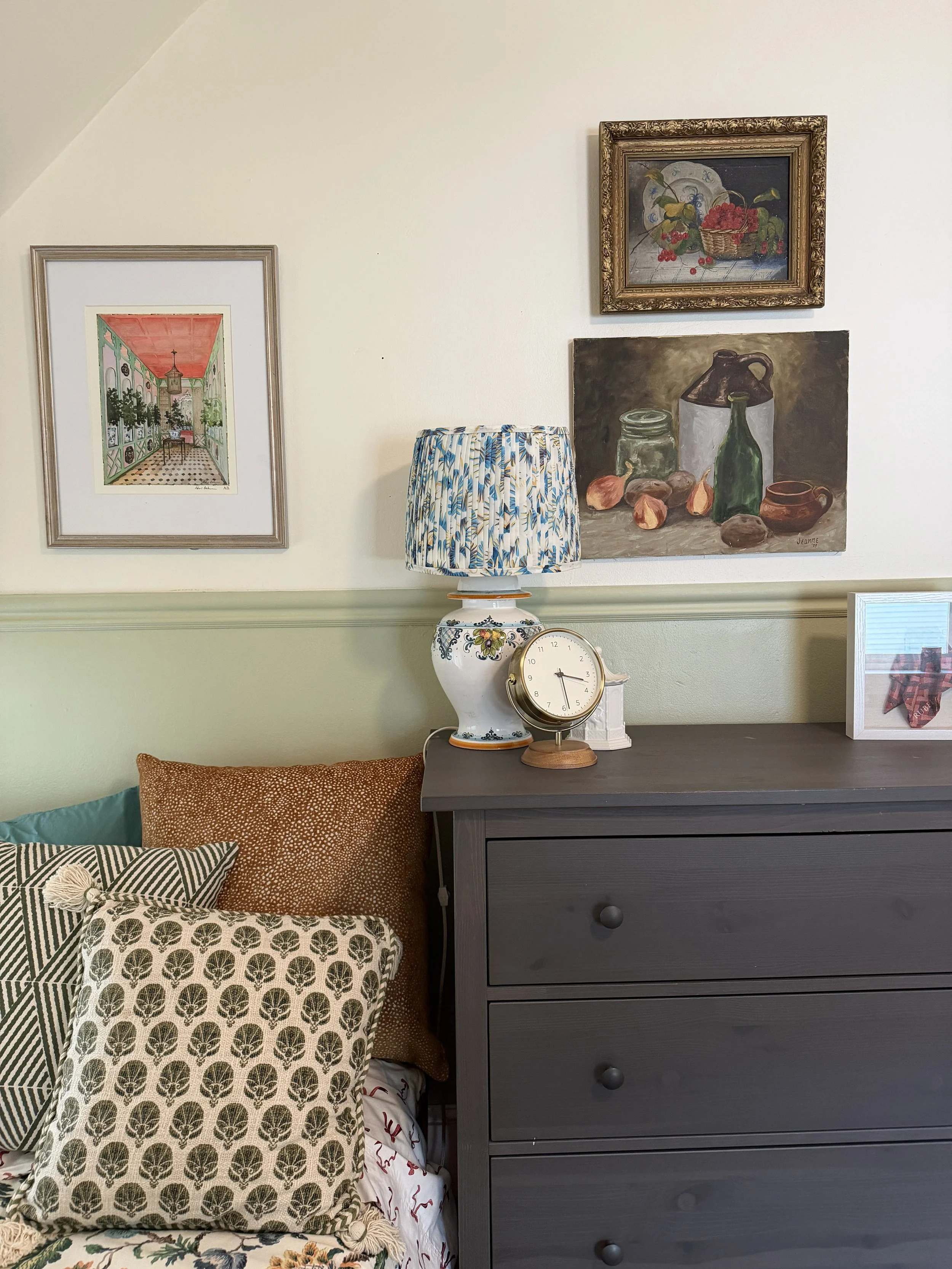
Photos from the rooms discussed in this episode — the office curtains, the pleated lampshade, the antique cupboard, and the skirted vanity — are available below.
With your monthly subscription, you'll have access to exclusive, full length episodes, both audio and video. After signing up, you'll receive an email with easy instructions on how to add this premium show to your podcast player (Apple, Spotify, etc). And every week, you'll receive a link to the video version. As you may know, in the audio version, I make a strong effort to describe the designs we're looking at. But if you want to see everything for yourself, you'll want to click the link to the video version we'll be sending you.

This episode is sponsored by Aura House.
Elegant diffusers, clean, natural scents, free of toxins.
KEY TAKEAWAYS
Handmade as a relationship, not a category: what it actually means
Handmade objects are often treated as a shopping category, something you seek out the way you'd seek out “vintage” or “boho.” I'd argue that's the wrong frame. A handmade object carries a relationship — to the person who made it, the place you found it, or your own hands if you made it yourself. That relationship is what gives the object meaning, not the label “handmade” itself.
Why decluttering can help you actually see what you already own
Paring back a wall of decor can do more than tidy a room — it can restore your ability to notice individual objects again. After painting an office and choosing not to rehang every piece that had been on the walls, a twenty-five-year-old lamp bought in Florence became visible again for the first time in years. Editing a room isn't just subtraction; it changes what you're able to see in what's left.
Supporting an independent maker through a site like Spoonflower
Spoonflower lets independent artists and designers have their hand-drawn patterns custom printed onto fabric, wallpaper, and finished goods. Using a pattern from a maker you know — rather than a mass-market print — is one of the most direct ways to bring a handmade relationship into a room through something as ordinary as curtains.
A no-sew pleated lampshade, made from cut and folded fabric
A pleated lampshade doesn't require sewing. Cut fabric into strips, iron in crisp folds, and glue the strips around the shade, then add two long trim strips at the top and bottom edges. It's a low-skill, high-impact way to bring pattern and texture to a plain shade.
Skirting furniture to soften a room full of hard edges
When a room accumulates too many square, boxy pieces of furniture, skirting one of them in fabric — draping it to the floor on some or all sides — softens the room's overall geometry without replacing anything. This technique works on side tables, café tables, or a vanity, and can be adapted around obstacles like a stool that needs to slide in and out.
Why an imperfect handmade project is still worth keeping
Handmade doesn't require perfection to be worth doing. A self-piped cushion cording that isn't perfectly even, or slightly zigzag stitching, doesn't diminish the object — it's evidence of the moment you were learning something new with your own hands. Waiting for a project to turn out flawlessly is often what keeps people from starting at all.
Where to start if you want to bring more handmade into your home
The easiest entry point into handmade is through non-essential purchases — a vase, a throw, a serving dish — items you'll buy eventually anyway but rarely need urgently. These low-stakes purchases are the ideal place to choose a handmade or maker-made option instead of a mass-produced one. If you want to make something yourself, start with a basic project: a pillow, a paint project, a lampshade, or a chair seat.
This episode is a companion to the Handmade chapter in my book, Slow Style Home, which goes deeper into the why — what bringing handmade objects into your home actually does for the larger story it tells.
Find more solo episodes and full show notes at SlowStyleHome.com/podcast.