The Buddha in the Entry: Visual Storytelling with Jill Litner Kaplan

In this Designers at Home episode, I tour the home of Jill Litner Kaplan, a Boston-area interior designer whose approach to decorating stopped me in my tracks — not because it's flashy or maximalist, but because of a single idea I couldn't stop thinking about after I left.
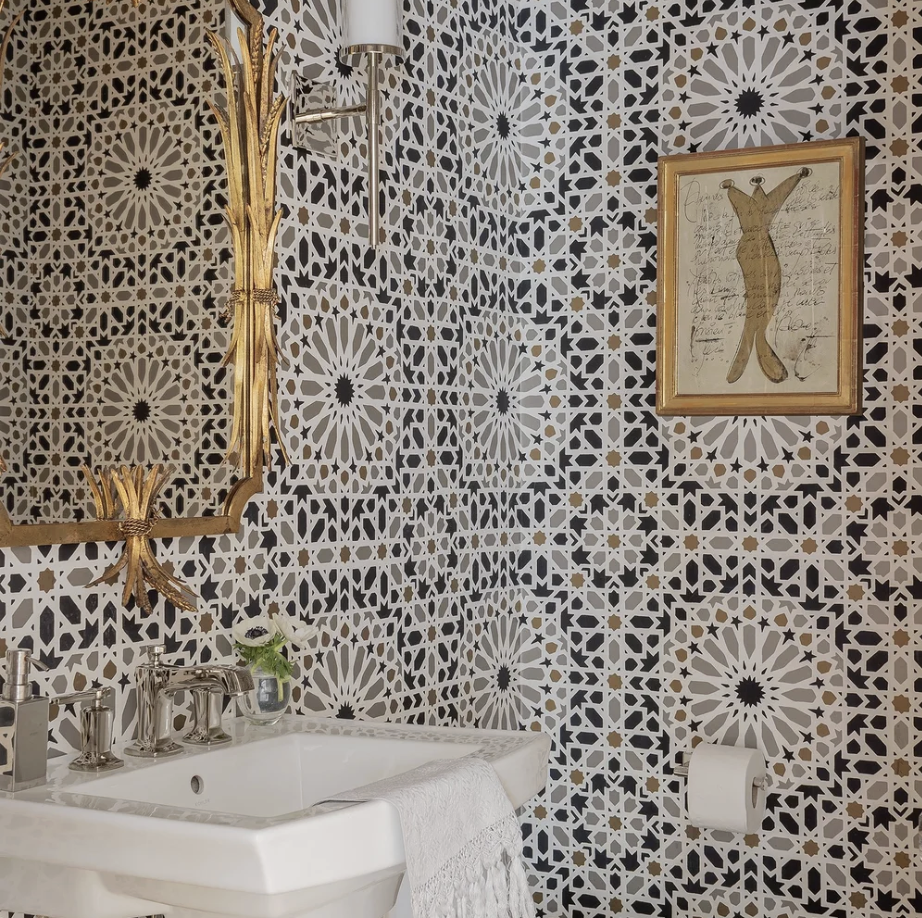
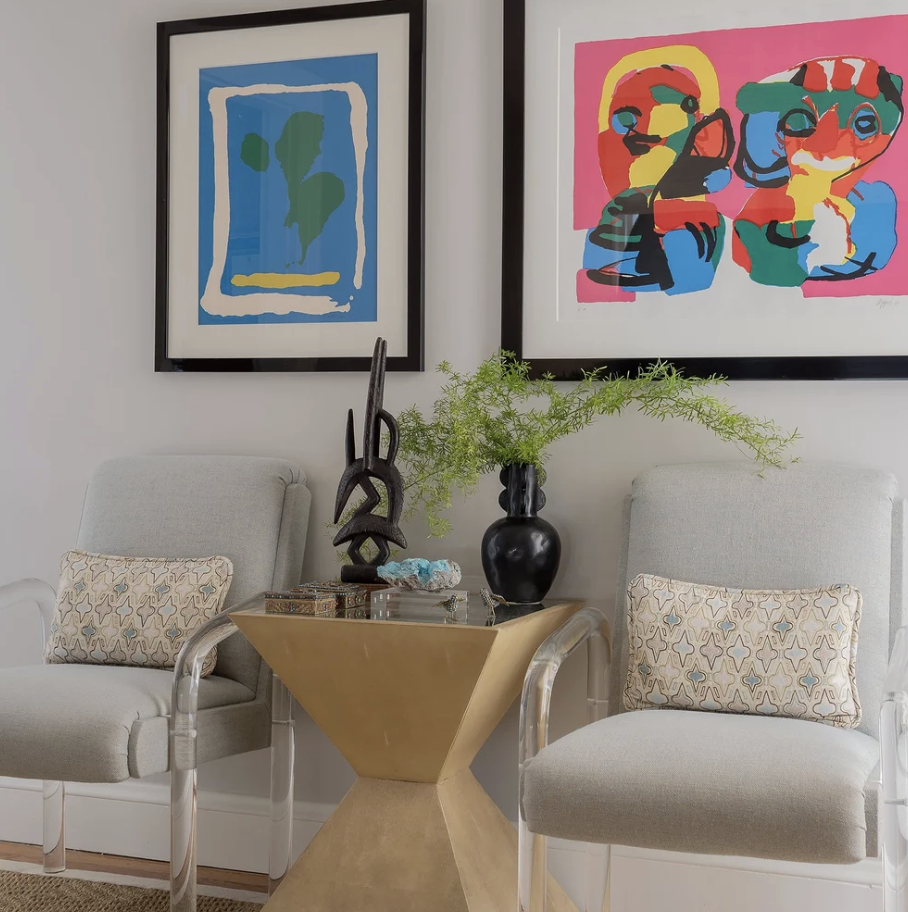
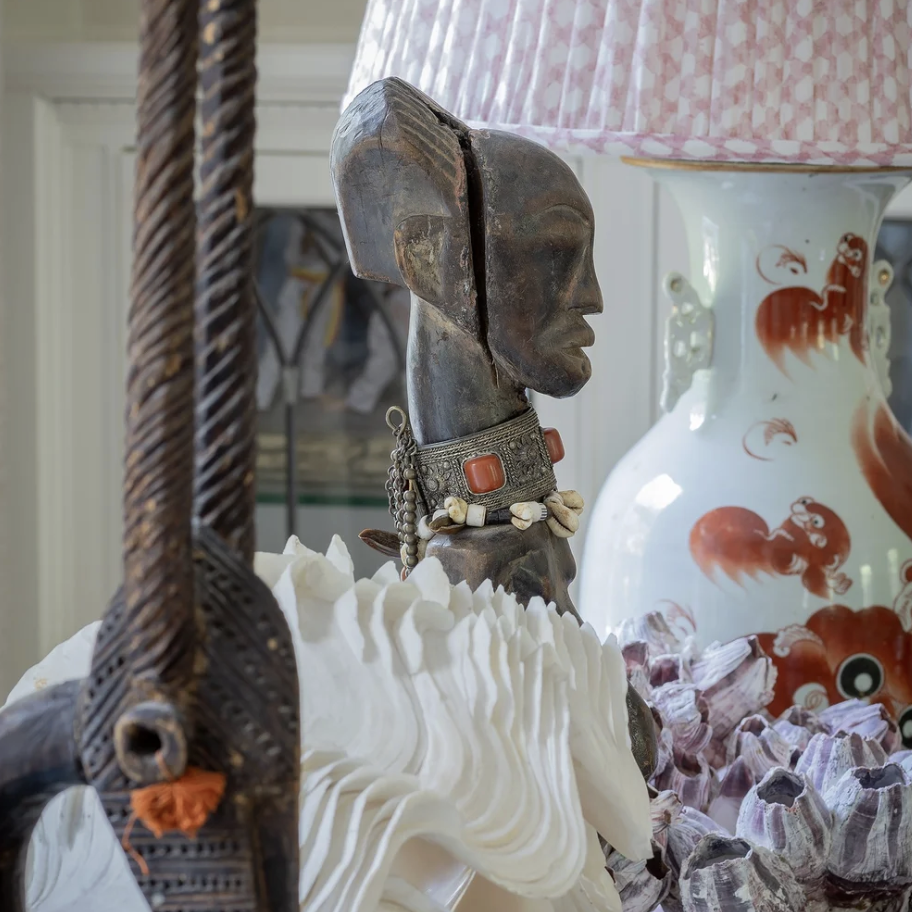
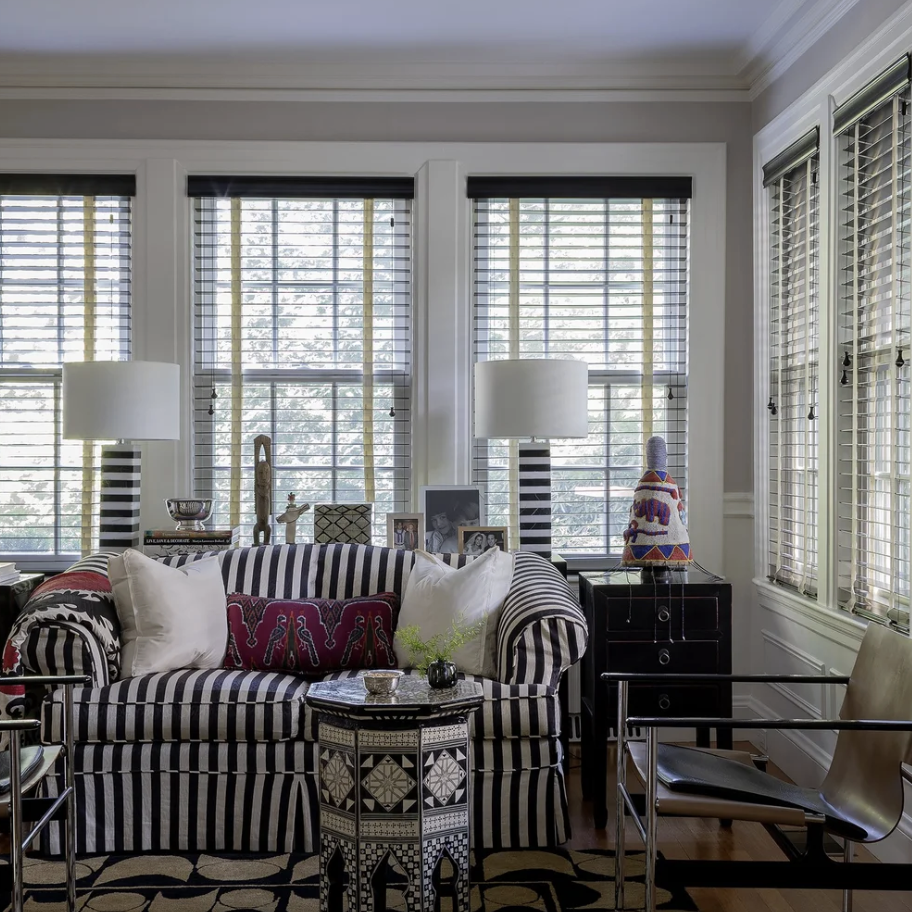
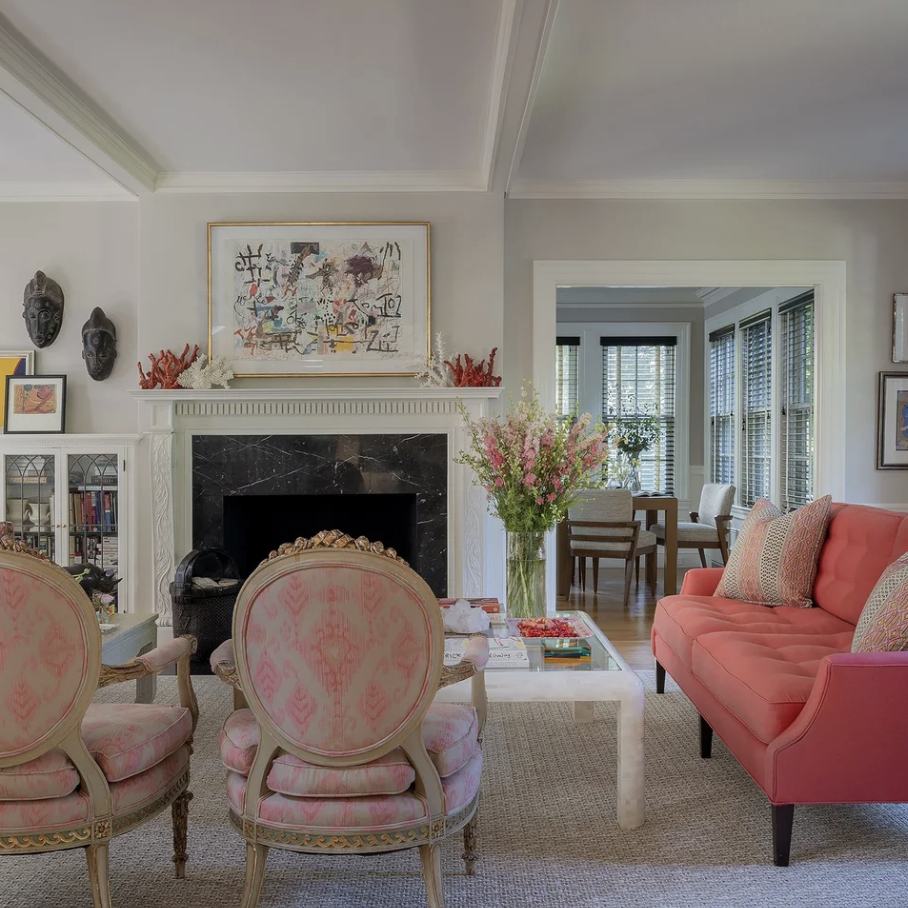
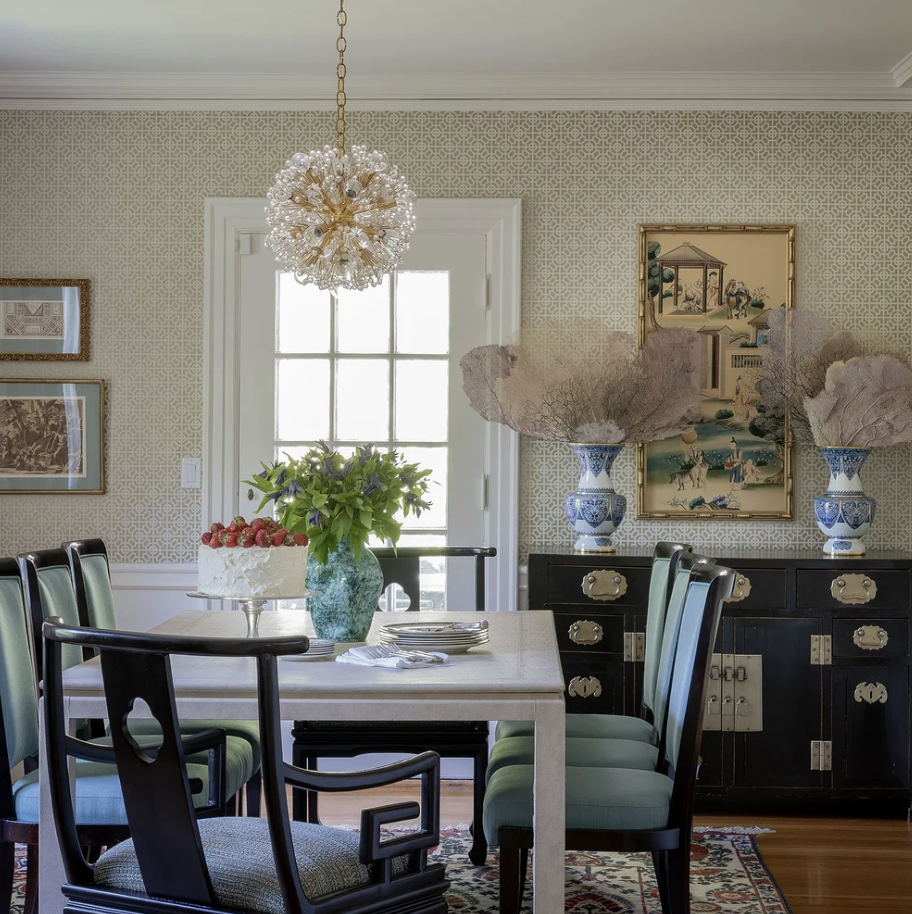
Walking through Jill's home, I kept noticing the objects and their stories long before I noticed anything else. The antique Buddha in the entryway, draped in jewels she added herself. The stingray shagreen dining table beneath a 1930s Sputnik chandelier. The hot pink cut velvet sofa her mother found after years of searching. And only somewhere in the middle of the living room did I realize: there is a lot of pink in here.
The color was there the whole time. The stories just got there first.
This is what I'm calling color as emergent from story — the idea that in the most compelling homes, color isn't a strategy you apply. It's a consequence of collecting objects that mean something. When you choose things because they move you, the palette takes care of itself. And the result feels more cohesive, not less, because it's rooted in something true.
This episode is a full home tour with Jill — room by room, object by object — and a masterclass in what visual storytelling actually looks like in a home.
With your monthly subscription, you'll have access to exclusive, full length episodes, both audio and video. After signing up, you'll receive an email with easy instructions on how to add this premium show to your podcast player (Apple, Spotify, etc). And every week, you'll receive a link to the video version. As you may know, in the audio version, I make a strong effort to describe the designs we're looking at. But if you want to see everything for yourself, you'll want to click the link to the video version we'll be sending you.
KEY TAKEAWAYS
Color as emergent from story: why "a pop of color" is the wrong approach
The most common decorating advice — add a pop of color to pull the room together — puts color in the wrong role. In Jill's home, you feel the objects and their meaning first. The palette reveals itself afterward. That's the difference between decorating and collecting with intention. When color emerges from the things you love rather than being imposed on top of them, it stops feeling like a decision and starts feeling like a signature.
The entryway as a promise, not a landing zone
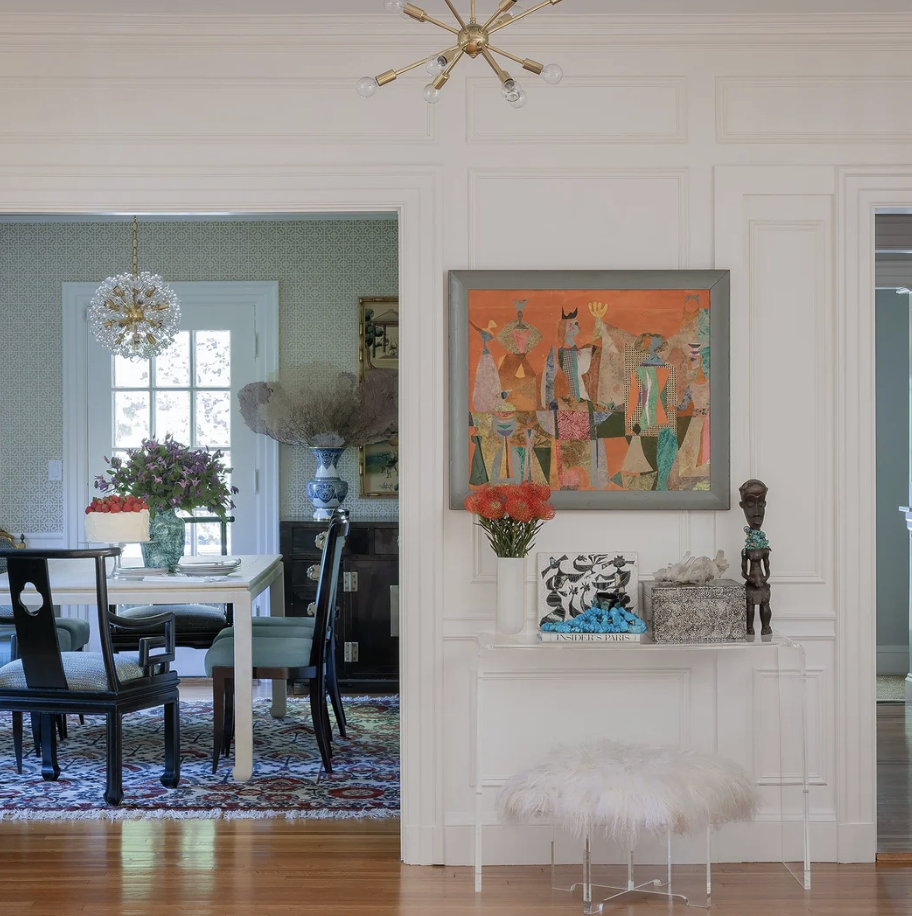
Jill thinks of the entryway as the first sentence of a story — a carefully composed moment that sets the tone for everything that follows. From the high-gloss black lacquer front door to the antique Buddha to the French mid-century collage on a Lucite console table, every choice in her entry says: this home has stories. Come in and hear them. Whatever the size or layout of your entryway, one well-composed vignette can do the same work.
How to think in vignettes
Every corner, surface, and landing in Jill's home is a small composed story. She learned this approach from the vendors at the Marché aux Puces in Paris — where the great ones aren't just selling objects, they're building worlds. Applying vignette thinking to your own home means asking of every surface: what is this moment saying, and does each piece earn its place in the story?
You don't have to travel the world to tell a worldly story
Jill's home includes objects from Istanbul, Paris, Miami, the Ivory Coast, and Syria — but also from estate sales, local flea markets, and a shop on the North Shore. Authenticity comes from meaning, not mileage. An object from a place you've never been can still carry real significance if it connects to something you love or aspire to.
Fabric is one of the most powerful tools for reinvention
A flea market mirror painted brick red. Estate sale chairs reupholstered in a designer fabric. A rug bought as a newlywed that has traveled through decades and multiple rooms. Jill's home is full of pieces that have been given new life through reupholstery, paint, or simply a new context. Before you replace something, ask what it would look like transformed.
Style is taught without being taught
Jill's mother rearranged the furniture — including a baby grand piano — while her kids were at school, treating the home as a living experiment. She took her daughter to the Safari Room at Bonwit Teller, where a little girl absorbed a love of leopard print that now appears throughout Jill's home. The most formative design education isn't always formal. Pay attention to what you were surrounded by, and what stuck.
Jill Litner Kaplan is an interior designer based on the North Shore of Boston. Find more Designers at Home episodes and full show notes at SlowStyleHome.com/podcast.
Links mentioned in the episode:
Jill’s Website