Before You Call the Contractor: Danielle Nicholson on Renovating Without Regrets

In this guest interview episode, I sit down with Danielle Nicholson — interior designer and author of the renovation planning guide Don’t Start Without Me — to talk about the single most preventable cause of renovation regret: starting before you’ve done the thinking.
Danielle has spent 18 years watching clients arrive at renovation projects underprepared — not because they lacked taste or budget, but because they skipped the step that makes everything else work. The vision before the visit: the quiet, intentional thinking about how you actually want to live in a space, done before the contractor is called, before the showroom appointments are made, before a single finish is selected.
This episode covers the full scope of what that preparation looks like: how to think about function before aesthetics, how to renovate in stages without losing coherence, how to work with contractors and designers without handing over your vision, and why the pressure to “just get it done” is the enemy of every renovation outcome worth having.
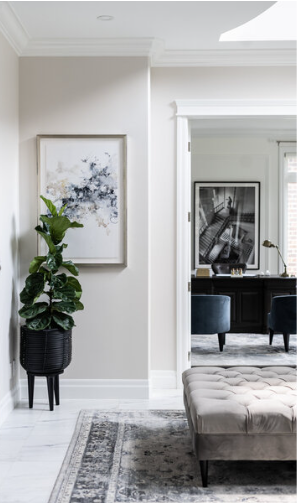
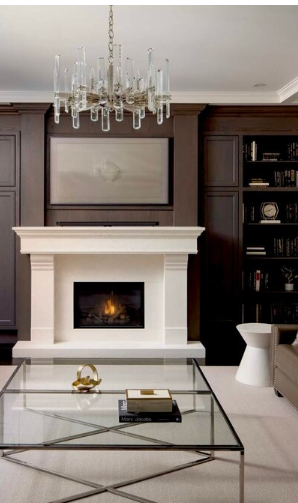
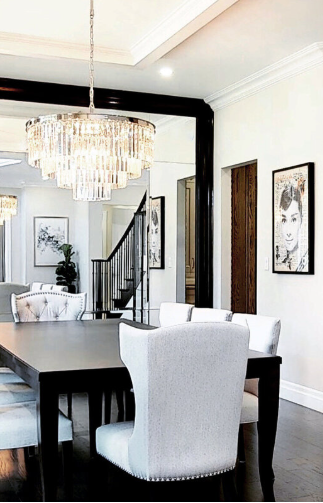
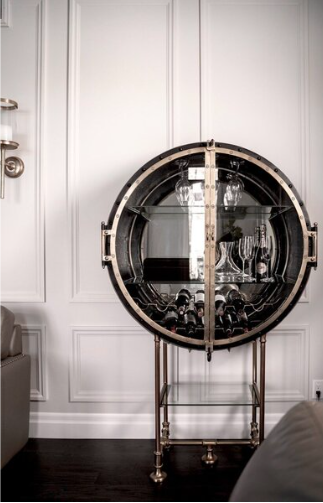
With your monthly subscription, you'll have access to exclusive, full length episodes, both audio and video. After signing up, you'll receive an email with easy instructions on how to add this premium show to your podcast player (Apple, Spotify, etc). And every week, you'll receive a link to the video version. As you may know, in the audio version, I make a strong effort to describe the designs we're looking at. But if you want to see everything for yourself, you'll want to click the link to the video version we'll be sending you.
KEY TAKEAWAYS
The vision before the visit: why renovation planning has to start before you’re ready
The most common renovation mistake isn’t a bad finish choice or a blown budget — it’s starting the execution before the vision is clear. Danielle’s book Don’t Start Without Me is built around the idea that the real work of renovating is the thinking you do before anyone else gets involved: how do you want to live in this space, how long do you plan to live there, who is living there with you, and what does function have to look like before aesthetics enter the picture? Getting that thinking on paper — not on a Pinterest board, not in your head — is what changes the outcome.
Function before aesthetics: the question most people never ask
Most people approach a renovation by thinking about what they want it to look like. Danielle’s framework flips that: function first, always. That means knowing your room measurements before you shop for a sofa. It means thinking through traffic flow before the floor plan is set. It means asking where the TV goes and whether you want one in the living room at all — before you’re sitting across from a designer. A room that looks beautiful but doesn’t function for how you actually live will never feel right, no matter how good the finish selections are.
How to renovate in stages without losing the thread
Renovating all at once is rarely necessary and often counterproductive. Danielle’s approach — and her own personal practice — is to work from a written plan and execute incrementally: buy the flooring when it goes on sale if you have your measurements and know your vision, even if you can’t install it yet. Paint the basement now; add the floors in two years. The plan is what makes that coherent rather than piecemeal. Without a written vision, staged renovation feels like stalling. With one, it feels like building.
Why placeholders cost more than waiting
A placeholder — the cheaper version of the thing you actually want, bought to fill the space while you save up — almost always costs more in the long run than simply waiting. You spend money on something you don’t love, eventually dispose of it, and then spend the money you were saving anyway. The exceptions are genuine necessities. Everything else is worth the patience. The vision makes the waiting easier, because you know exactly what you’re waiting for.
Your contractor is not your designer: understanding who’s there to save you
One of the most common and costly renovation assumptions is that the general contractor will catch the things you haven’t thought through. They won’t — not because they’re negligent, but because that’s not their job. A builder’s job is to execute what you’ve specified. If you haven’t specified how you’re going to move through the space, they’ll build what’s standard. The vision, the function, the how-do-I-actually-want-to-live-here — that thinking belongs to you. No one else can do it for you, and no one else will.
“This is what everyone’s doing right now”: why trend-following dates your home fastest
When a store employee, contractor, or anyone else tells you that a finish, material, or color is “what everyone’s doing right now,” that is precisely the signal to keep looking. What everyone is doing right now is what will date your home most visibly and most quickly. Your renovation should reflect how you want to live — which is something only you can know. Your planning notebook and your written vision are your protection against making someone else’s house.
The homeowner’s job: why the vision is yours to develop, not outsource
Every renovation team has a role: the contractor builds, the designer specifies, and the homeowner figures out what kind of life the space needs to support. That last part — the most important part — is the one most people skip. Even with a great interior designer in the room, you’ll get a dramatically better result if you’ve done your own thinking first. And if you’re renovating without a designer? Then it’s entirely on you. Design isn’t a business transaction where you hand off the brief and collect the result. It’s a thought process that starts with specific questions: How do I want to live in this space? How long will I be here? Who am I sharing it with, and how are our needs different? This episode is, among other things, a guide to asking those questions — and knowing what to do with the answers.
Danielle Nicholson is an interior designer and the author of Don’t Start Without Me. Find more guest interview episodes and full show notes at SlowStyleHome.com/podcast.