Limit the Pieces, Not the Styles: Disciplined Maximalism with Philip Mitchell
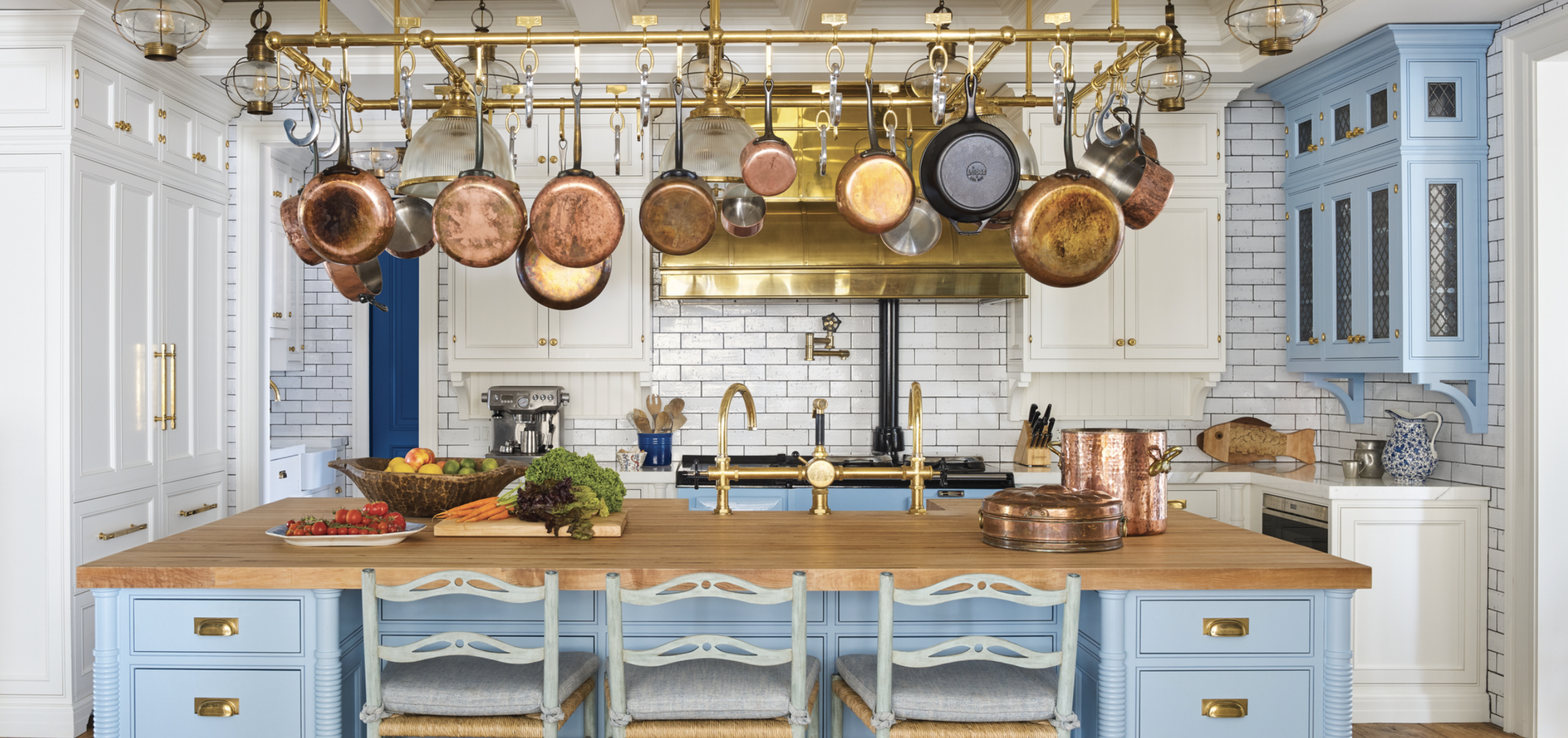
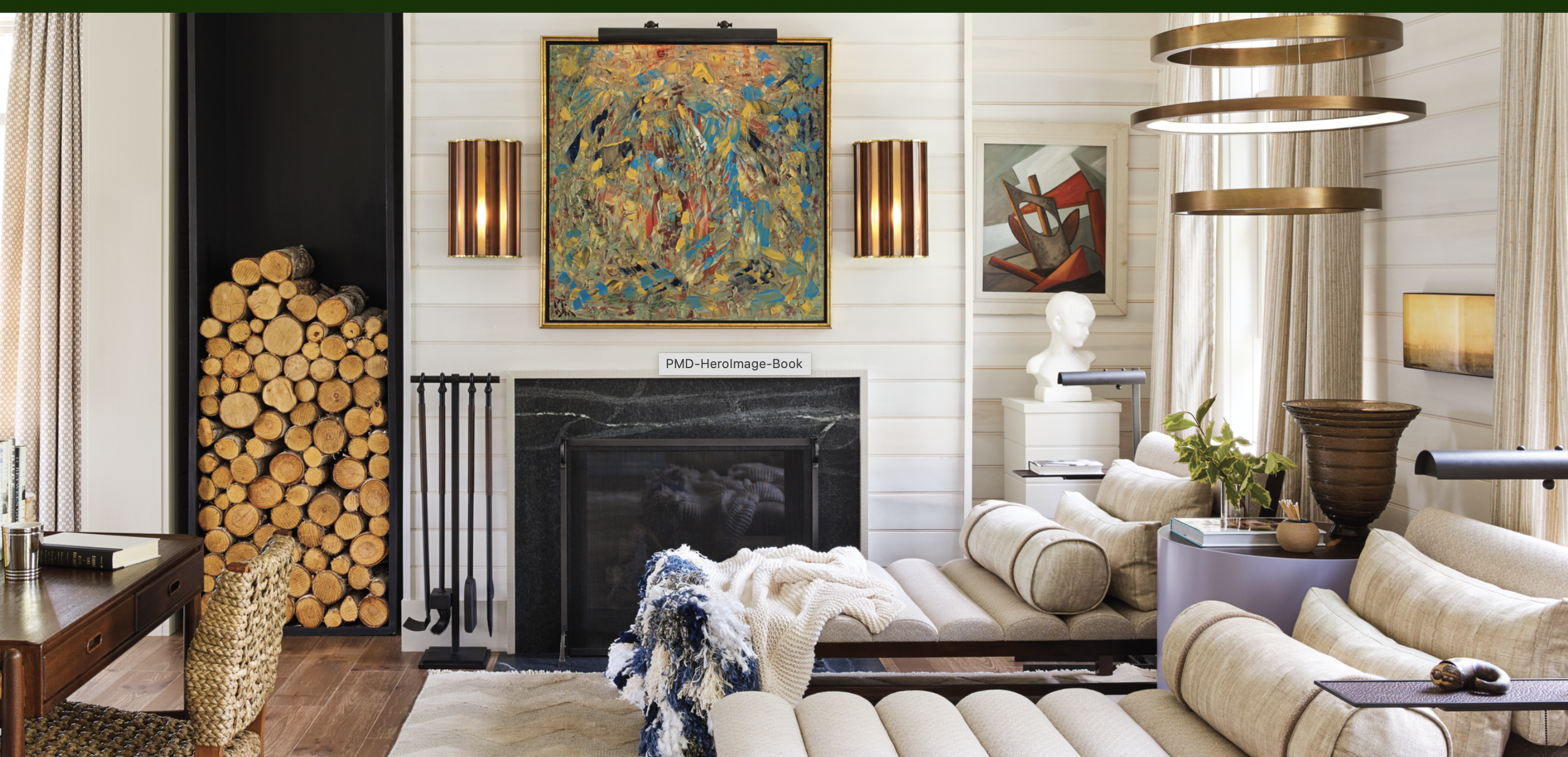
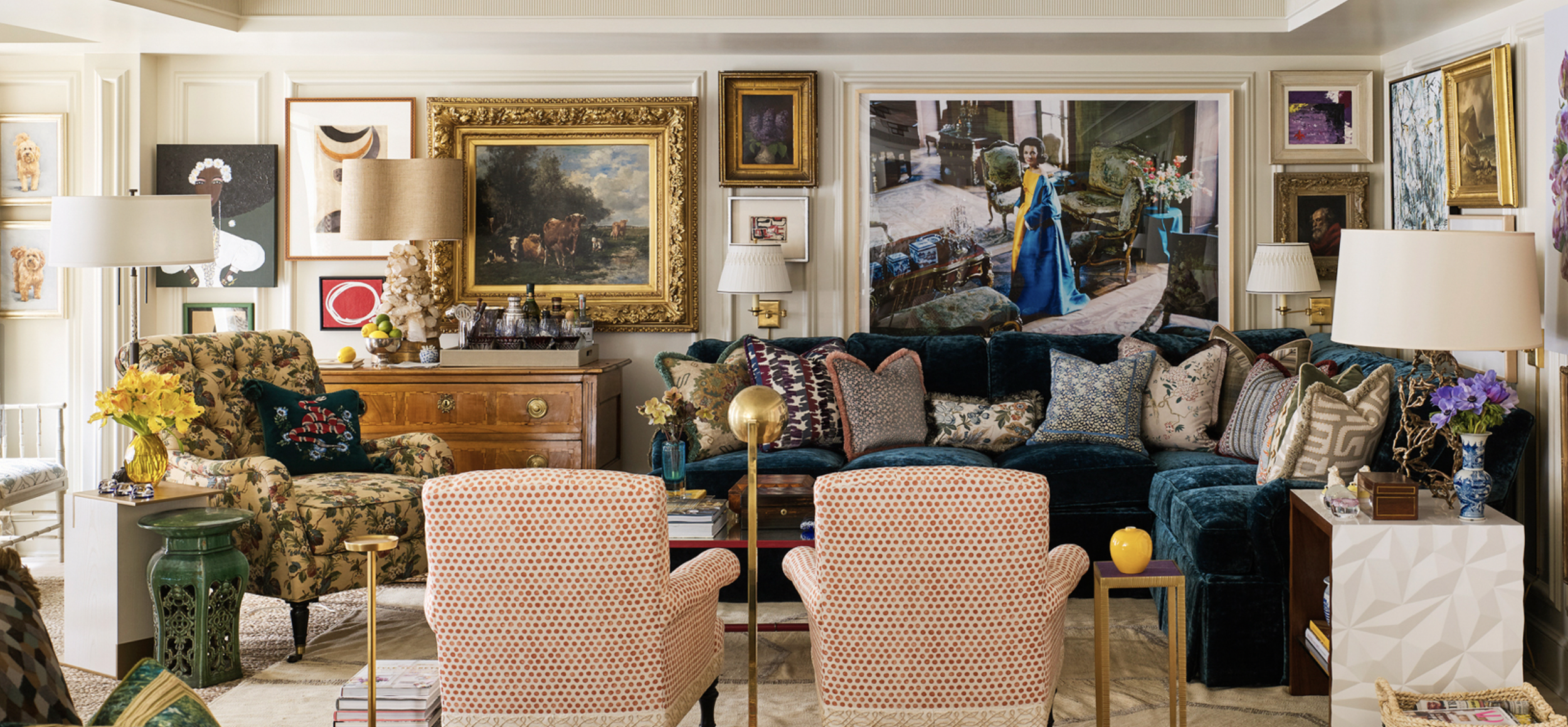
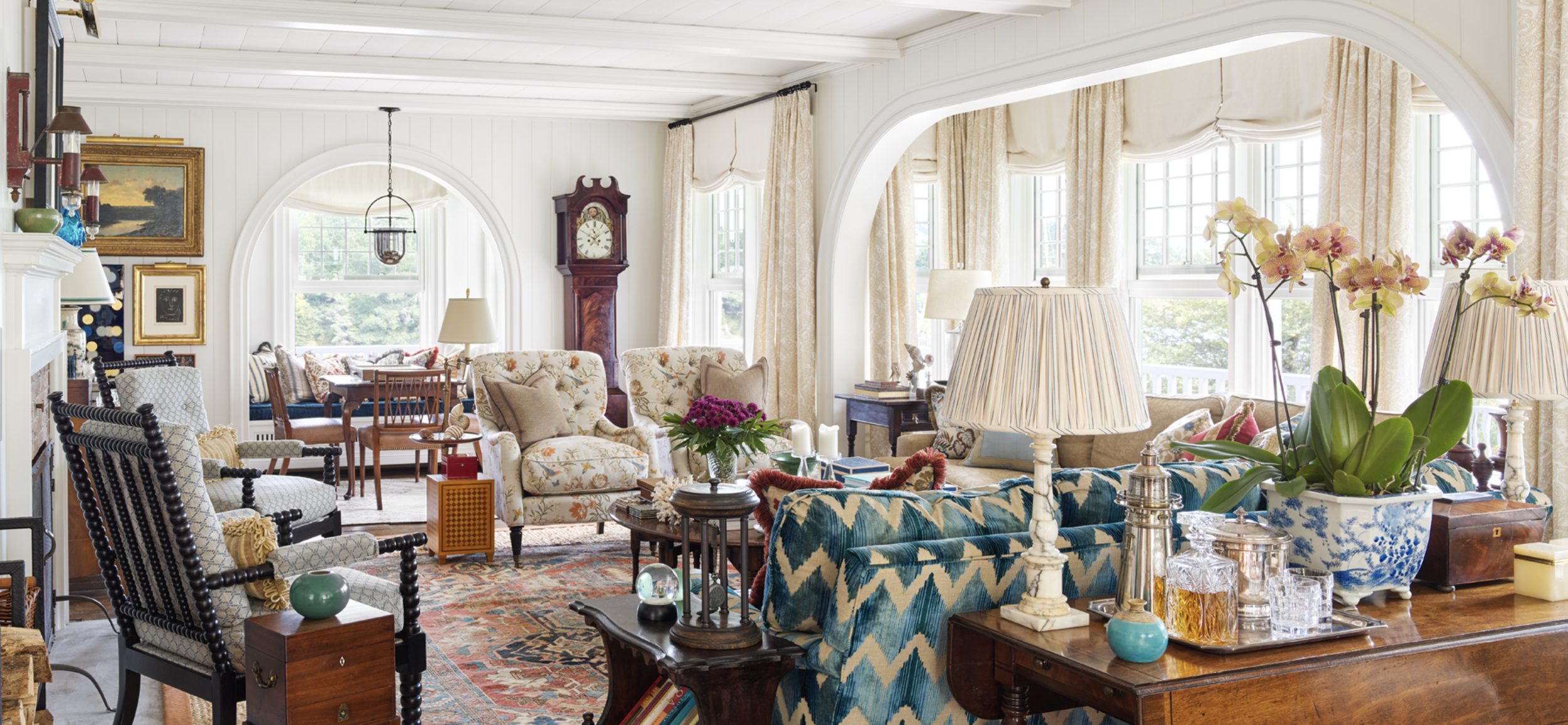
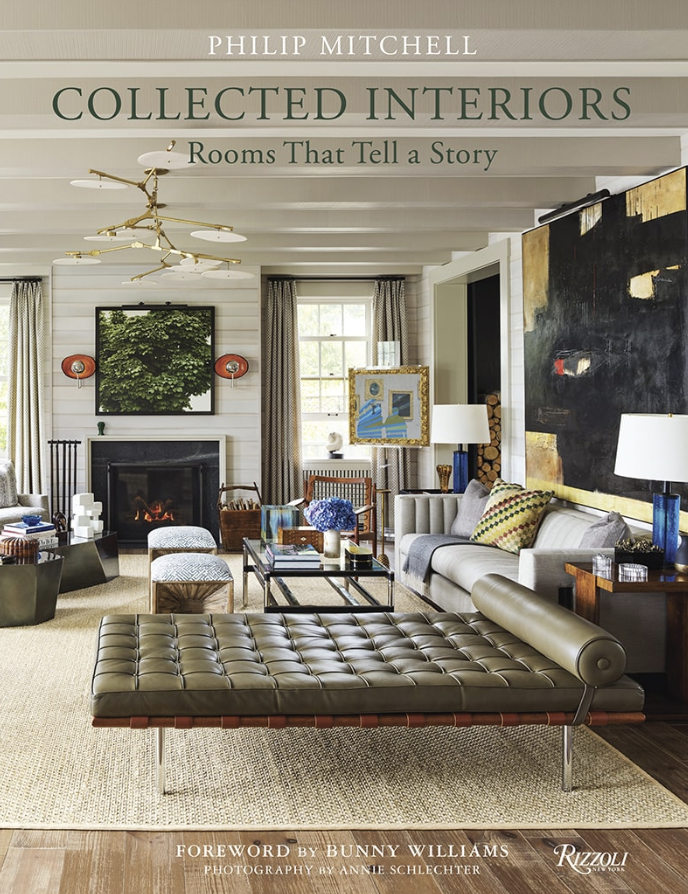
In this episode, I talk with Canadian interior designer Philip Mitchell, author of Collected Interiors: Rooms That Tell a Story. Our subject is how to mix antiques, contemporary art, and pieces from different eras and cultures so that a room feels magazine-worthy and still personal and lived in.
Philip loves too many things to commit to one style, and his rooms show it. There's no single "Philip Mitchell look." What makes his mix work is what I call disciplined maximalism. You don't limit the number of styles you love; you limit the number of pieces you put out at any given time. With fewer objects and breathing room around them, the eye can take everything in without the distraction of clutter. That's when you start to notice the contrast, juxtaposition and tension between pieces, which is what makes a collected room feel alive. As I said in our conversation, maximalism can mean maximum impact, not maximum stuff.
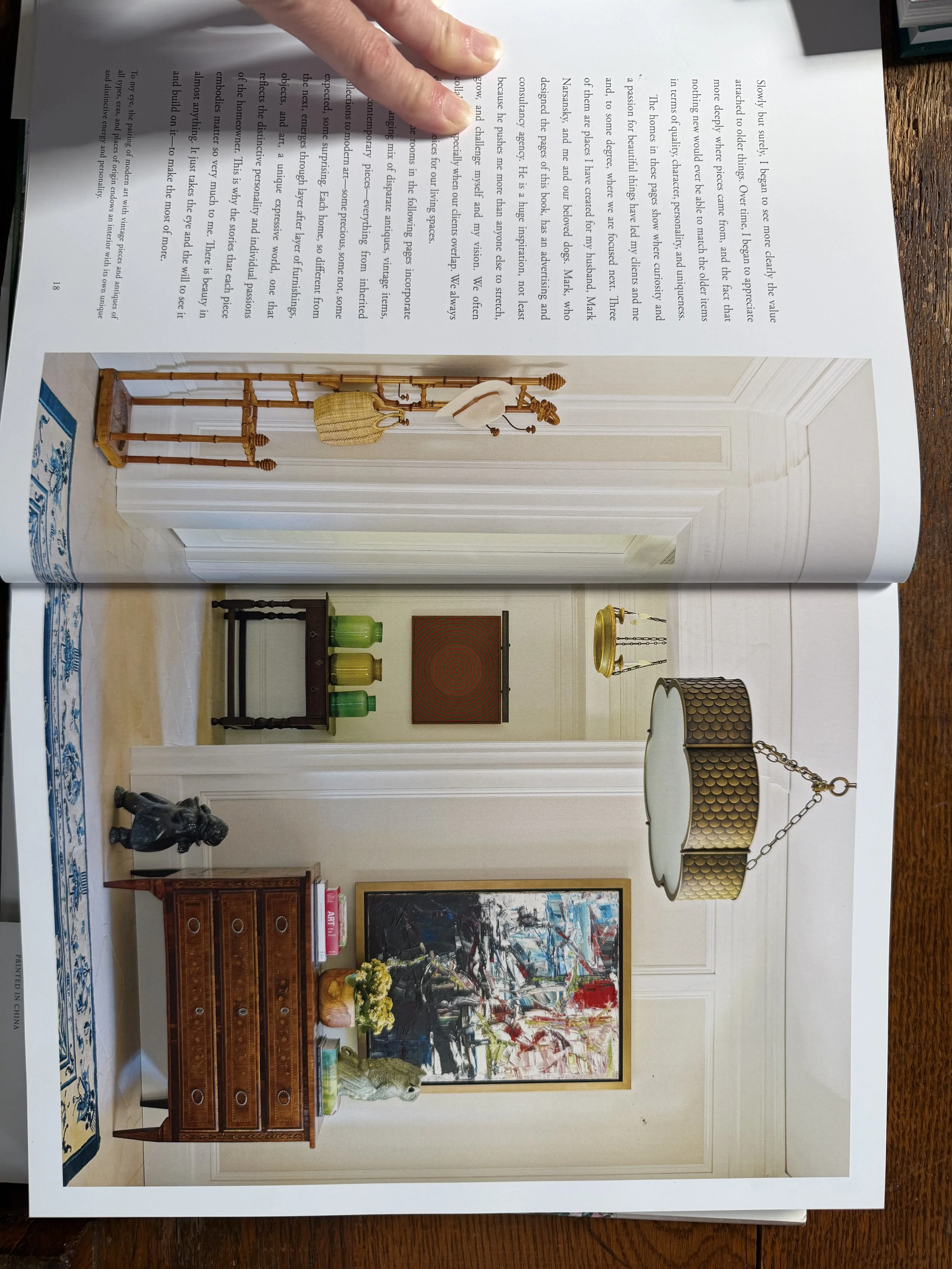
We take apart one entryway from his book (pages 18–19, in the gallery below) to see this in action. We also talk about his childhood in a layered English-country home and why so many polished rooms feel like stage sets. Philip shares how he helps clients who can't say what they love, and how couples with very different tastes end up with a home neither would have made alone.
With your monthly subscription, you'll have access to exclusive, full length episodes, both audio and video. After signing up, you'll receive an email with easy instructions on how to add this premium show to your podcast player (Apple, Spotify, etc). And every week, you'll receive a link to the video version. As you may know, in the audio version, I make a strong effort to describe the designs we're looking at. But if you want to see everything for yourself, you'll want to click the link to the video version we'll be sending you.

This episode is sponsored by Aura House.
Elegant diffusers, clean, natural scents, free of toxins.
KEY TAKEAWAYS
Disciplined maximalism: limit the pieces, not the styles
You don't need to pick one style to have a home that holds together. Mixing eras, cultures and styles is what makes a collected home interesting. The discipline is in quantity: choosing which pieces are out right now and giving them enough space to be seen. The rest of your collection can wait in a cupboard and come back out later, somewhere new.
How to mix antiques and modern pieces: start with a quiet backdrop
The entryway on pages 18–19 of Collected Interiors brings together six very different pieces:
an Italian marquetry chest
an antique Chinese carpet
a carved bamboo coat rack
contemporary geometric art
a custom scalloped Urban Electric fixture
a small Italian chandelier
Part of why they work is that everything behind them is quiet. The paneling and trim are painted in two closely related wall colors, the wallcovering is tone-on-tone, and the floor is reclaimed limestone. When the backdrop stays neutral, very different pieces don't compete.
Breathing room: why fewer objects make a bigger impact
The clients collect Inuit soapstone sculpture. Rather than grouping several on one table, Philip placed one on the floor by itself, and you notice it more. Space around an object slows the eye down long enough for details to register, like the turned legs of a side table or the silhouette of three empty glass vases.
Contrast and juxtaposition: why opposites make each other look better
Put a striking contemporary piece above an ornate antique chest, and you appreciate both more because of the contrast. Philip describes the "sharp energy" of a pairing that makes you think, "Wait a minute, that shouldn't even really be with that, but why does it look so good?" That reaction only happens when you can see both pieces clearly.
Why some beautifully designed rooms feel like stage sets
Many polished rooms fall flat because the people who live there aren't present in them. Philip starts by taking stock of what clients already own and asking about the stories behind those things, like the piece that turns out to have been a grandmother's. Building on those pieces is what makes a professionally designed room feel personal. You can do the same at home: pull out what's been sitting in a drawer and ask what it means to you now. Then decide whether it goes, or comes out somewhere new.
Can't say what you love? Start with what you don't
When clients can't describe their taste, Philip asks them to show him what they don't like and talk through why. Ruling things out often opens up better directions than trying to pick a favorite.
Decorating with a partner who has different taste
Most couples Philip works with have different tastes, including Philip and his husband, Mark. Rather than diluting both, he looks for what each person might respond to in the other's preferences. The shared home isn't supposed to look like the one either of you would make alone. That's the whole point.
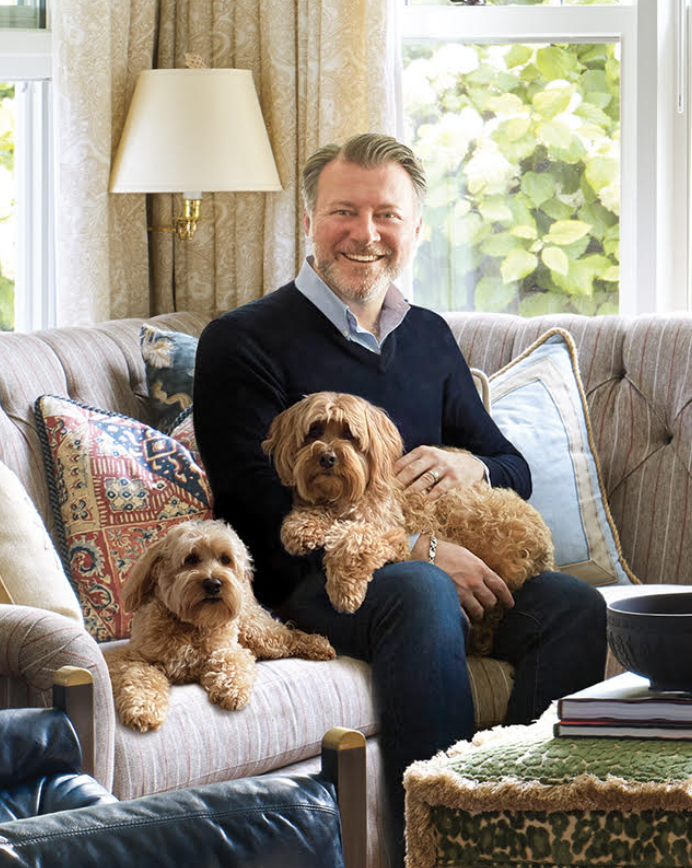
Philip Mitchell is a Canadian interior designer and the author of Collected Interiors: Rooms That Tell a Story. Find more guest interview episodes and full show notes at SlowStyleHome.com/podcast,