The American Homeowner's Creativity Crisis (And How The Brits Avoid It)

In this episode, I’m reflecting on the idea that it’s never too late to begin again—especially when it comes to our homes. After returning from a deeply inspiring trip to London, where I was immersed in British craftsmanship and design culture, I found myself thinking about how differently we approach decorating in the UK versus the US. The British emphasis on creativity, comfort, patina, and lived-in beauty feels closely aligned with my slow style philosophy, especially when contrasted with America’s fixation on trends, perfection, and convenience. I explore how our fear of imperfection and maintenance has quietly shaped our choices, often pulling us away from natural materials, meaningful objects, and the joy of caring for what we own. To bring these ideas into practice, I invite you to step away from algorithms and quick fixes and instead create a tangible, real-life vision board for your home—one rooted in personal experience, inspiration, and the kind of life you want to live there.
KEY TAKEAWAYS
A Fresh Start (Even If January Has Passed)
I start this episode by admitting that I’m a little late to the “Happy New Year” party—but that actually feels fitting. I’ve never believed that meaningful change has to begin on January 1st. Life doesn’t work that way. Change unfolds slowly, with starts and stops, bursts of motivation, long plateaus, and the occasional dip. That’s why I believe February—or honestly, any moment—is a perfectly good time to reset your vision for your life and your home.
Rather than approaching change from a place of self-criticism or overwhelm, I’m much more interested in starting from inspiration. When we feel energized and curious, we’re far more likely to follow through than when we’re just reacting to guilt, clutter, or a never-ending to-do list.
Inspiration as Energy, Not a Checklist
Instead of asking, What do I need to fix? I invite you to ask, What energizes me? Inspiration doesn’t have to come from interiors at all. It might come from cooking a beautiful meal, reading a novel that transports you, visiting a museum, traveling, or even a small, meaningful interaction with a stranger.
Those moments of energy can become the foundation for changes in your home. When we design from lived experience—rather than trends—we create spaces that actually support us.
London as a Design Education
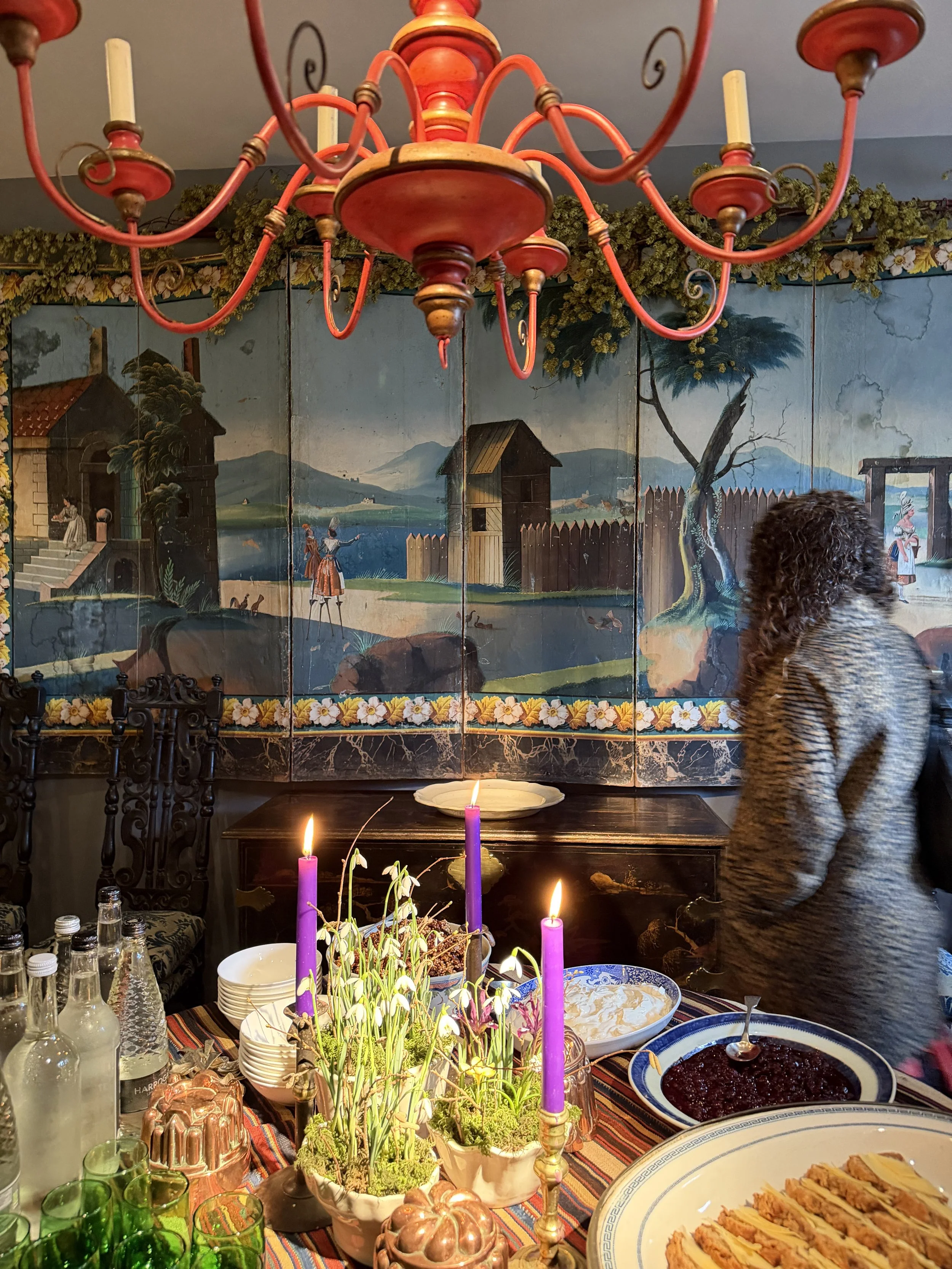
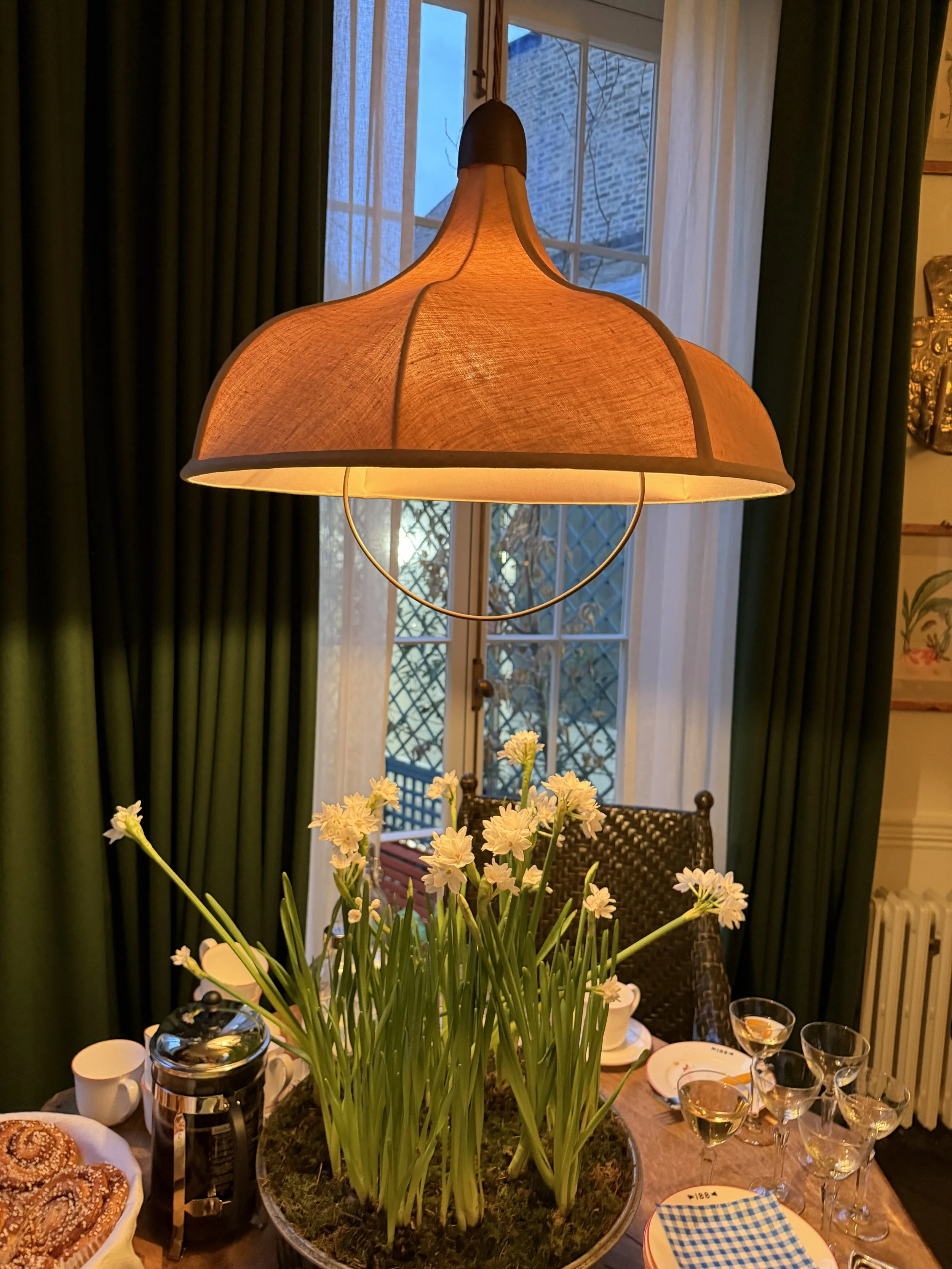
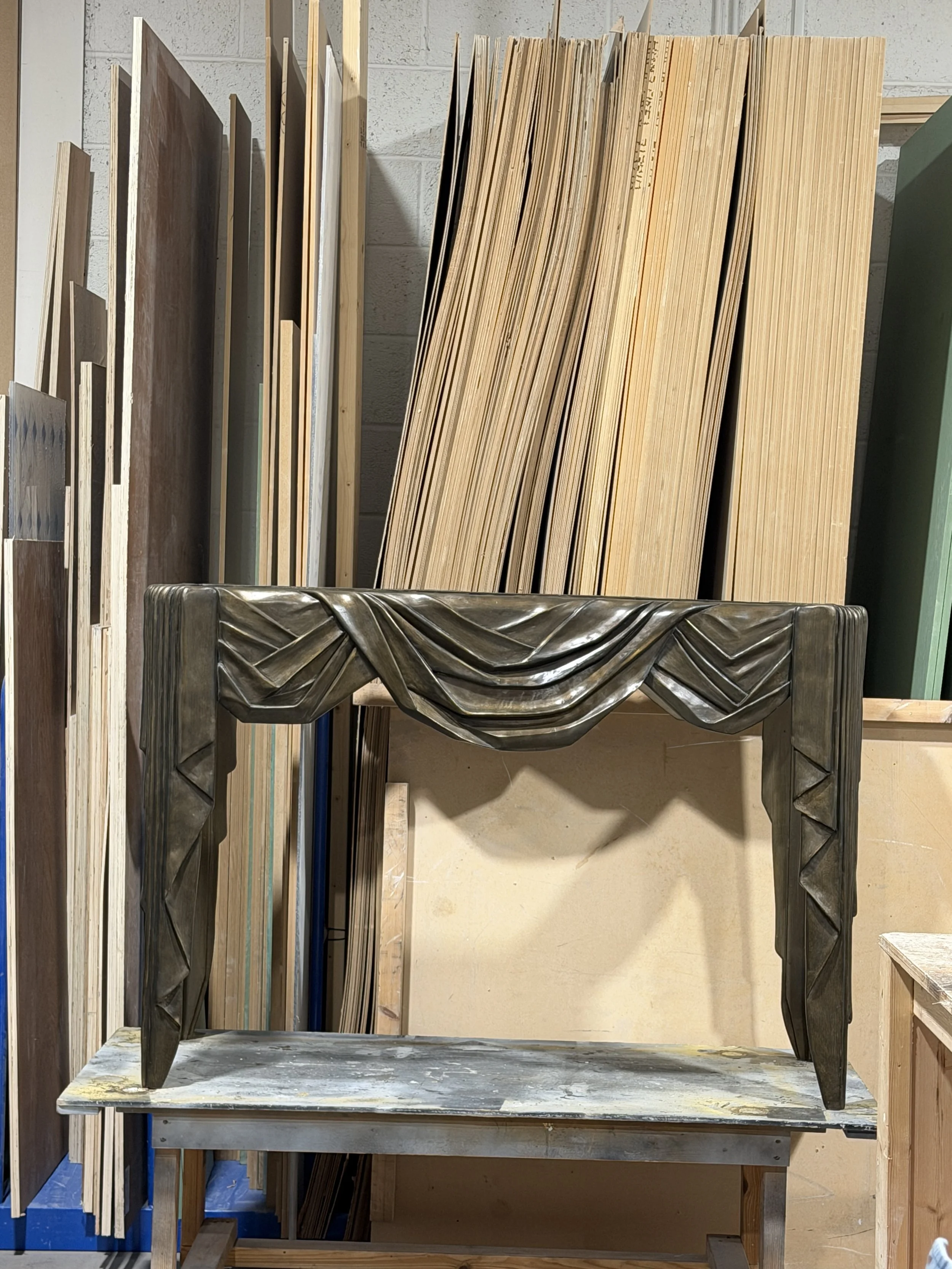
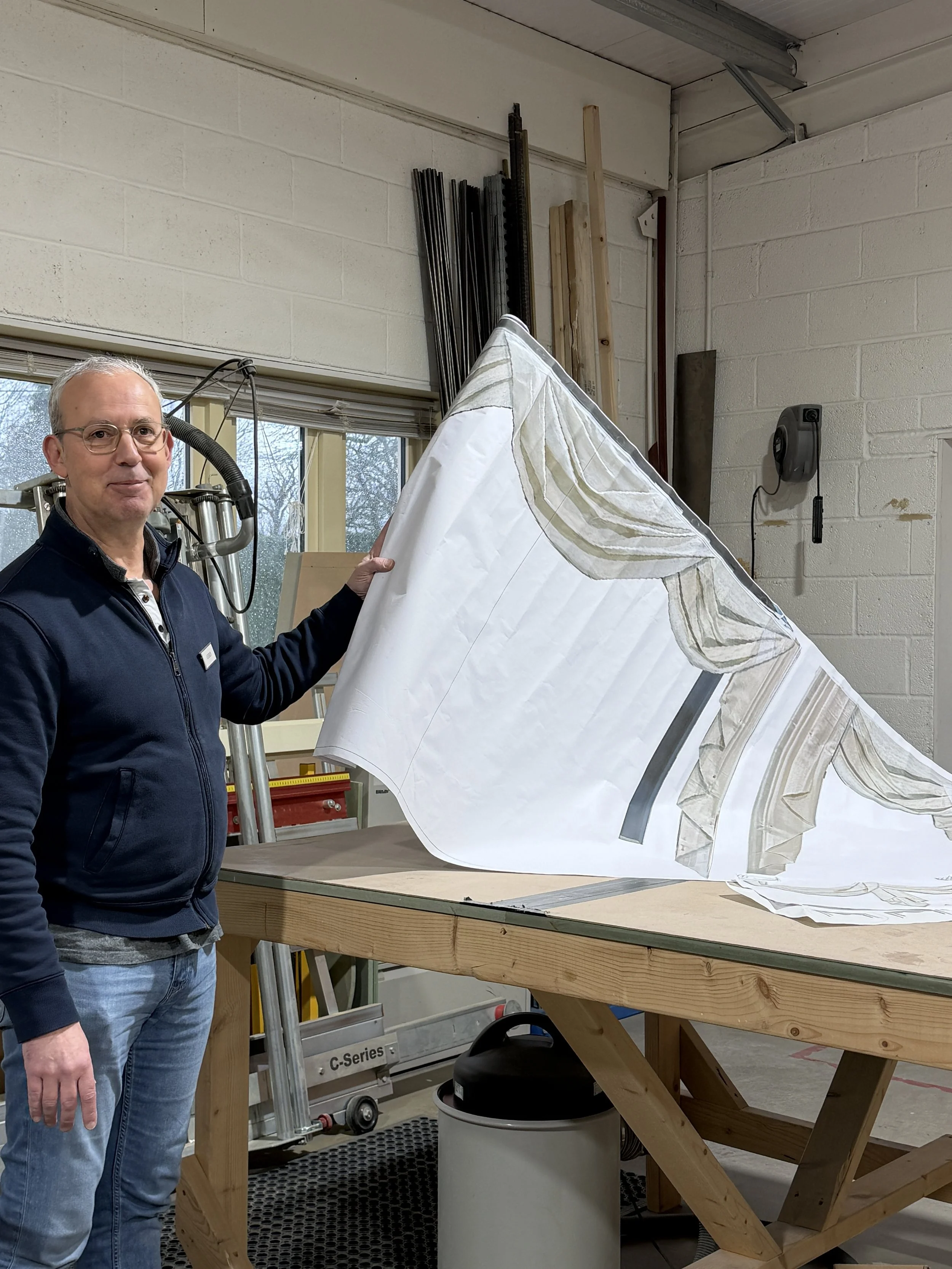
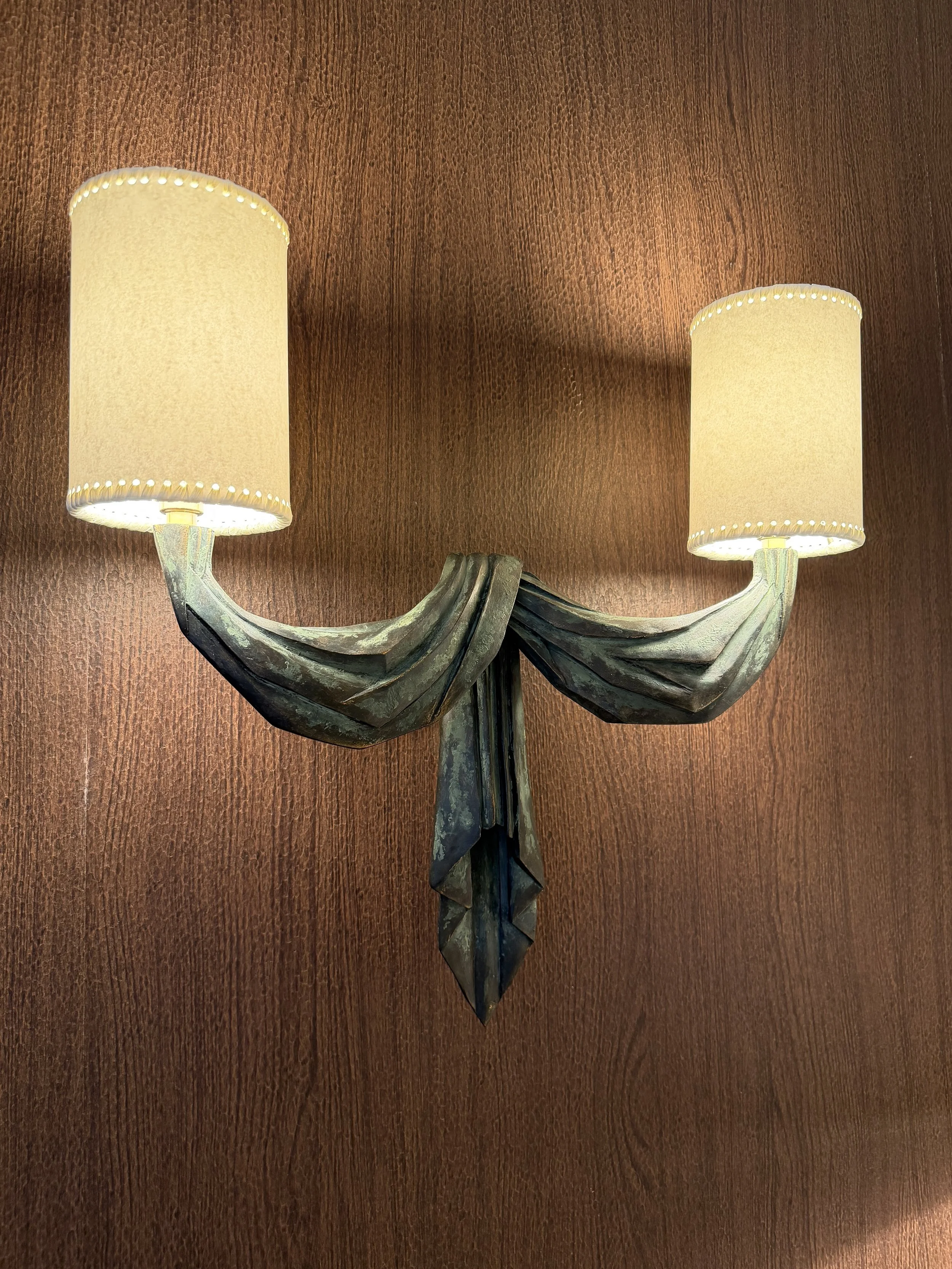
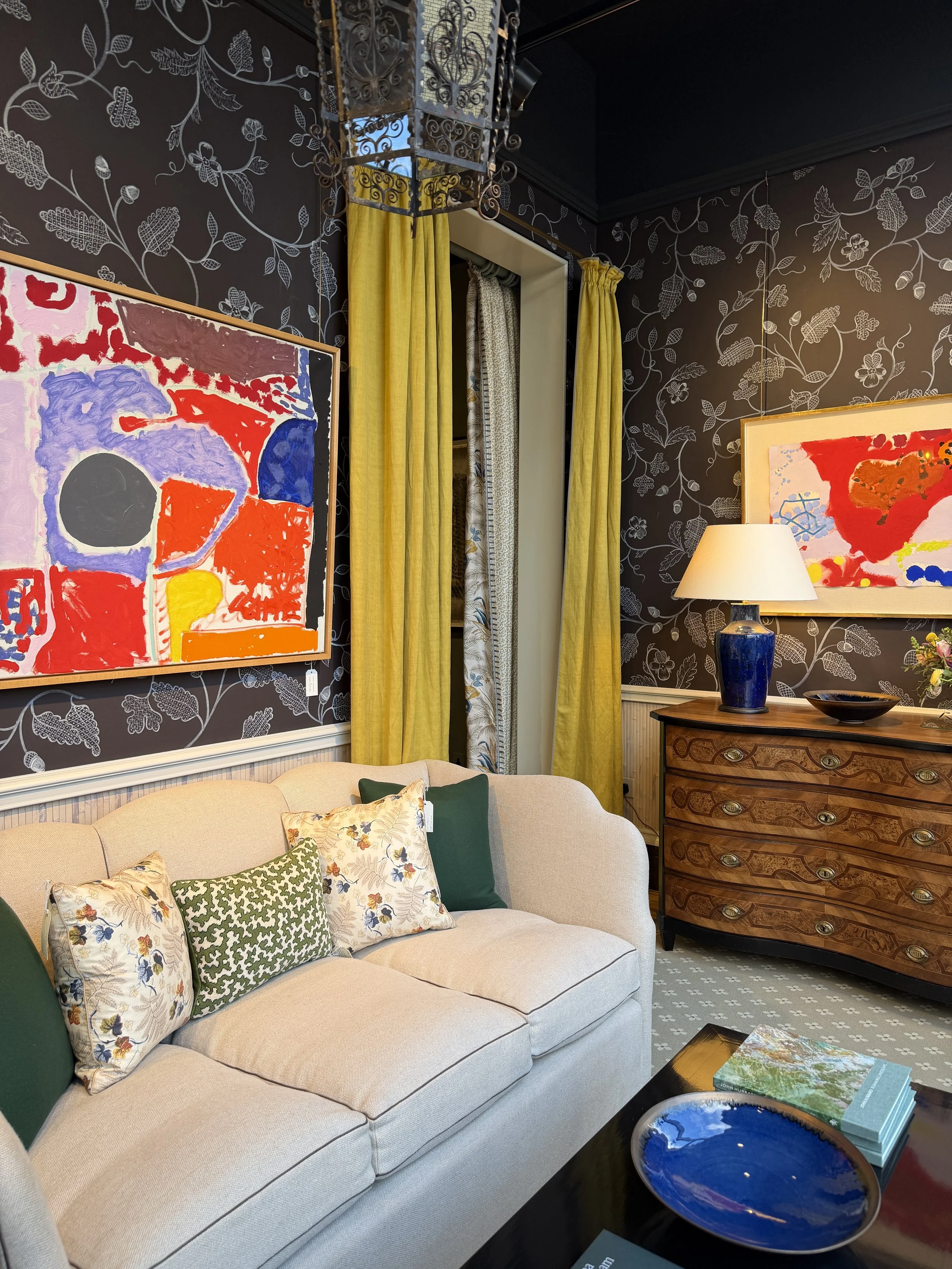
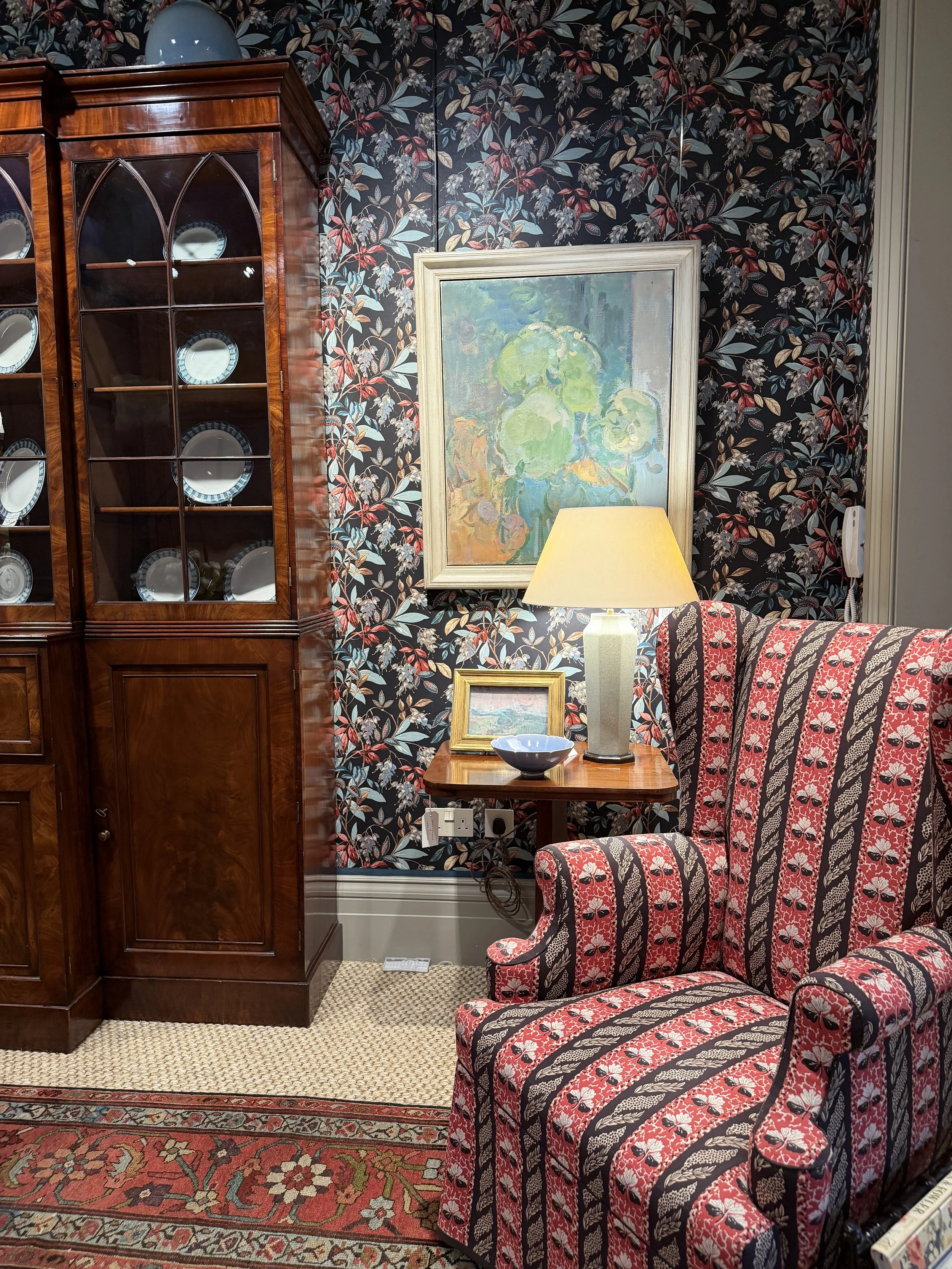
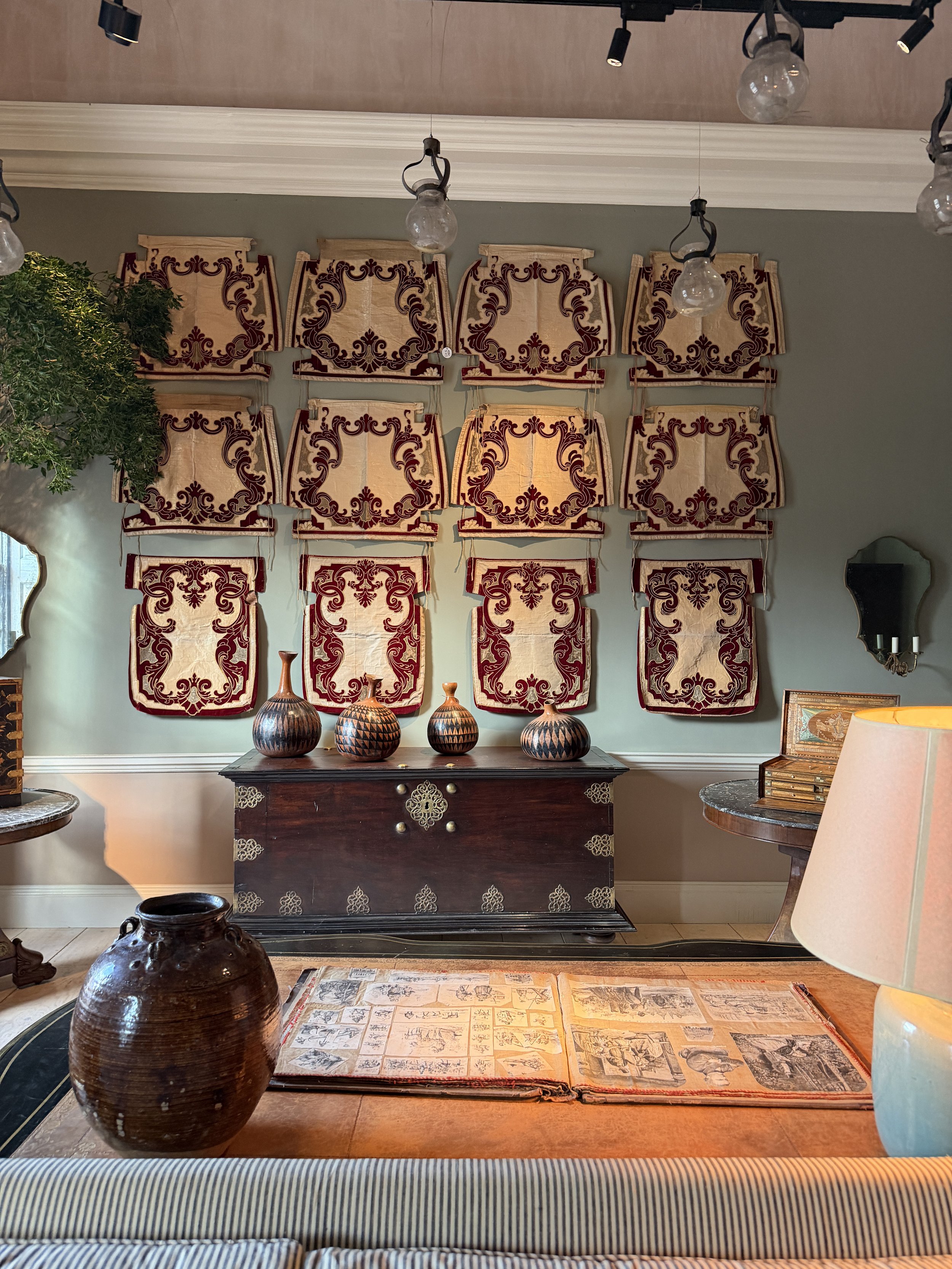
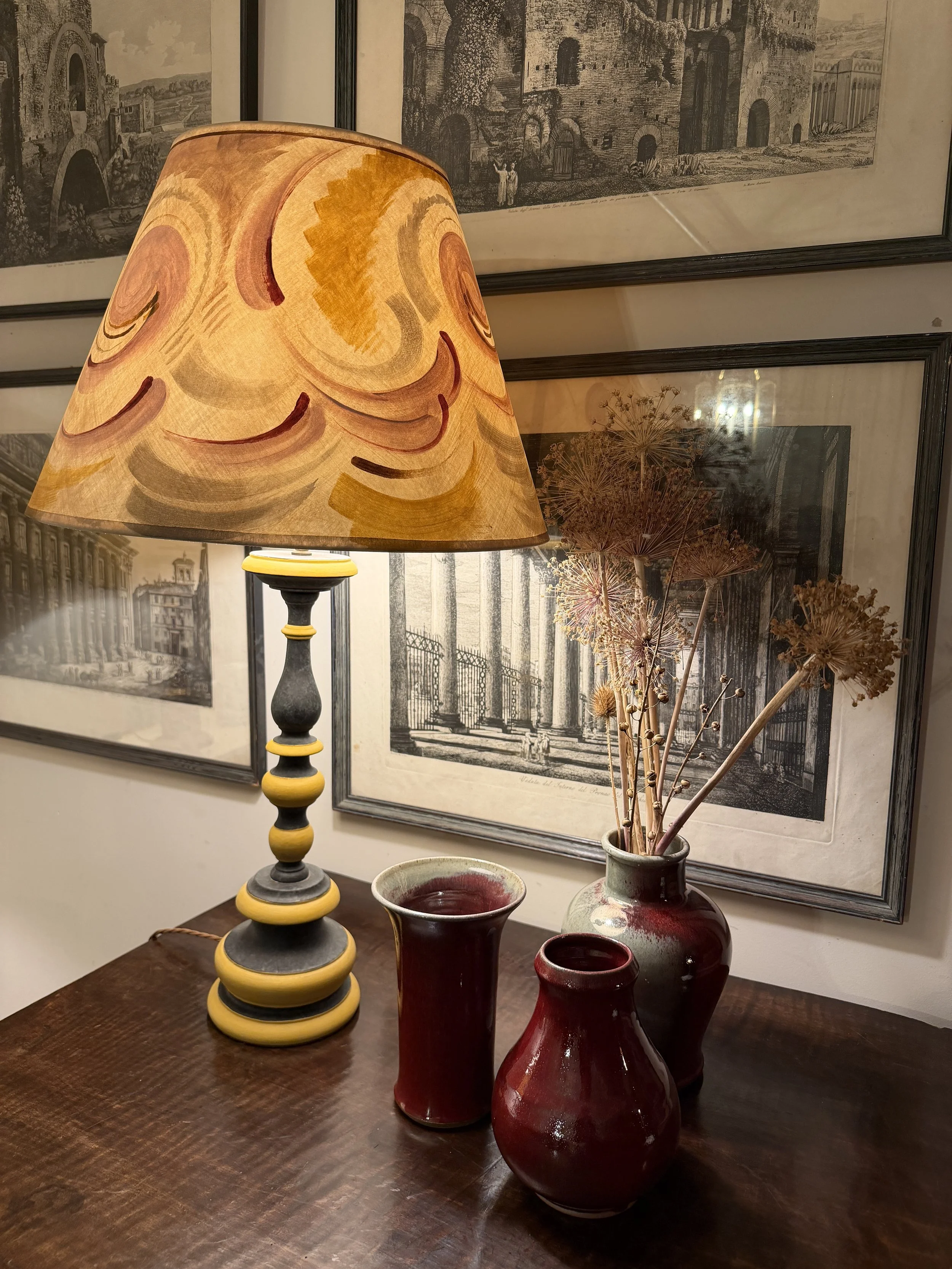
For me, travel is always a powerful source of inspiration, and this time it took the form of a three-day immersive design experience in London. I traveled with a group of American designers and spent our days deeply embedded in British craftsmanship and design history.
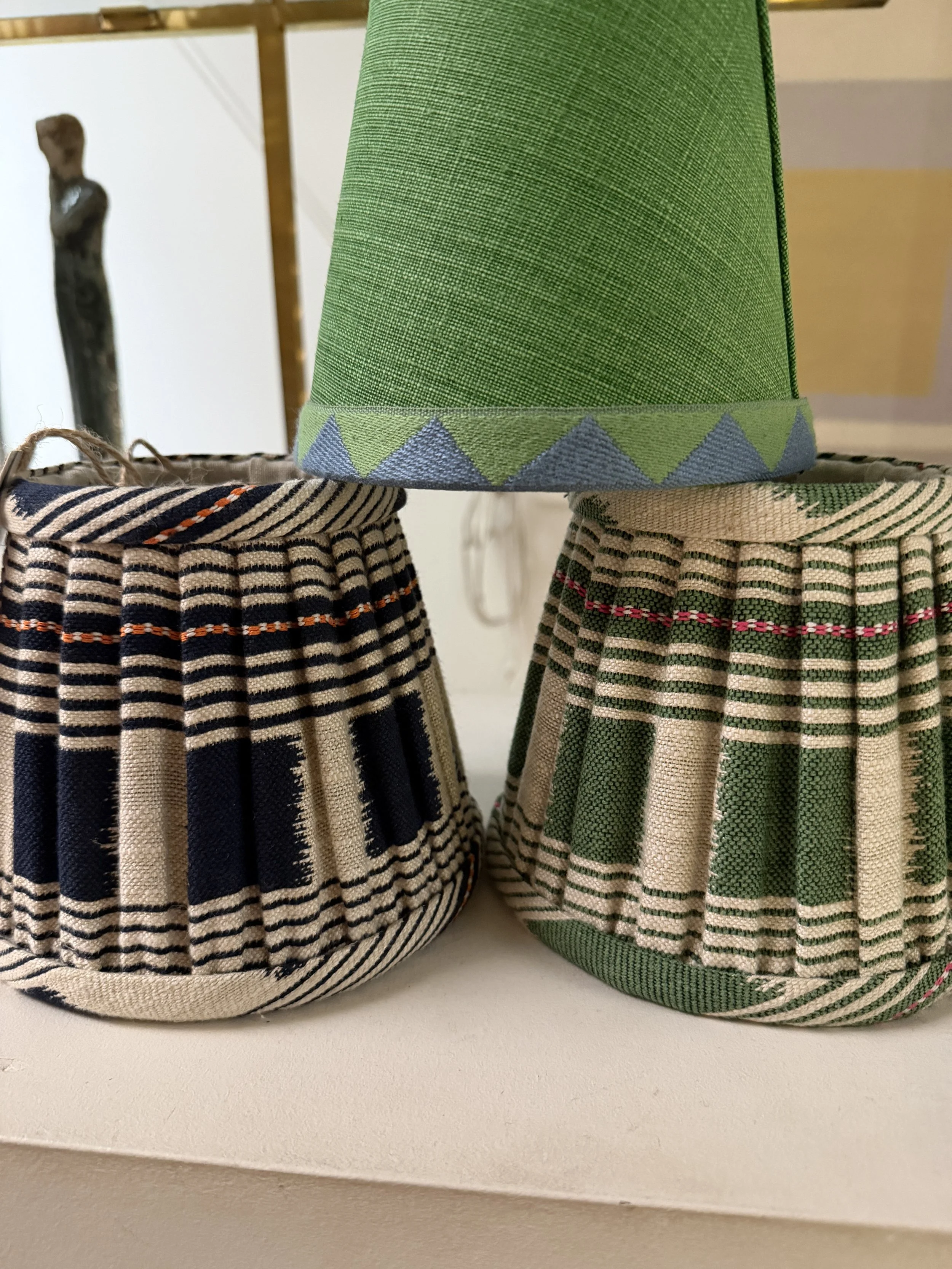
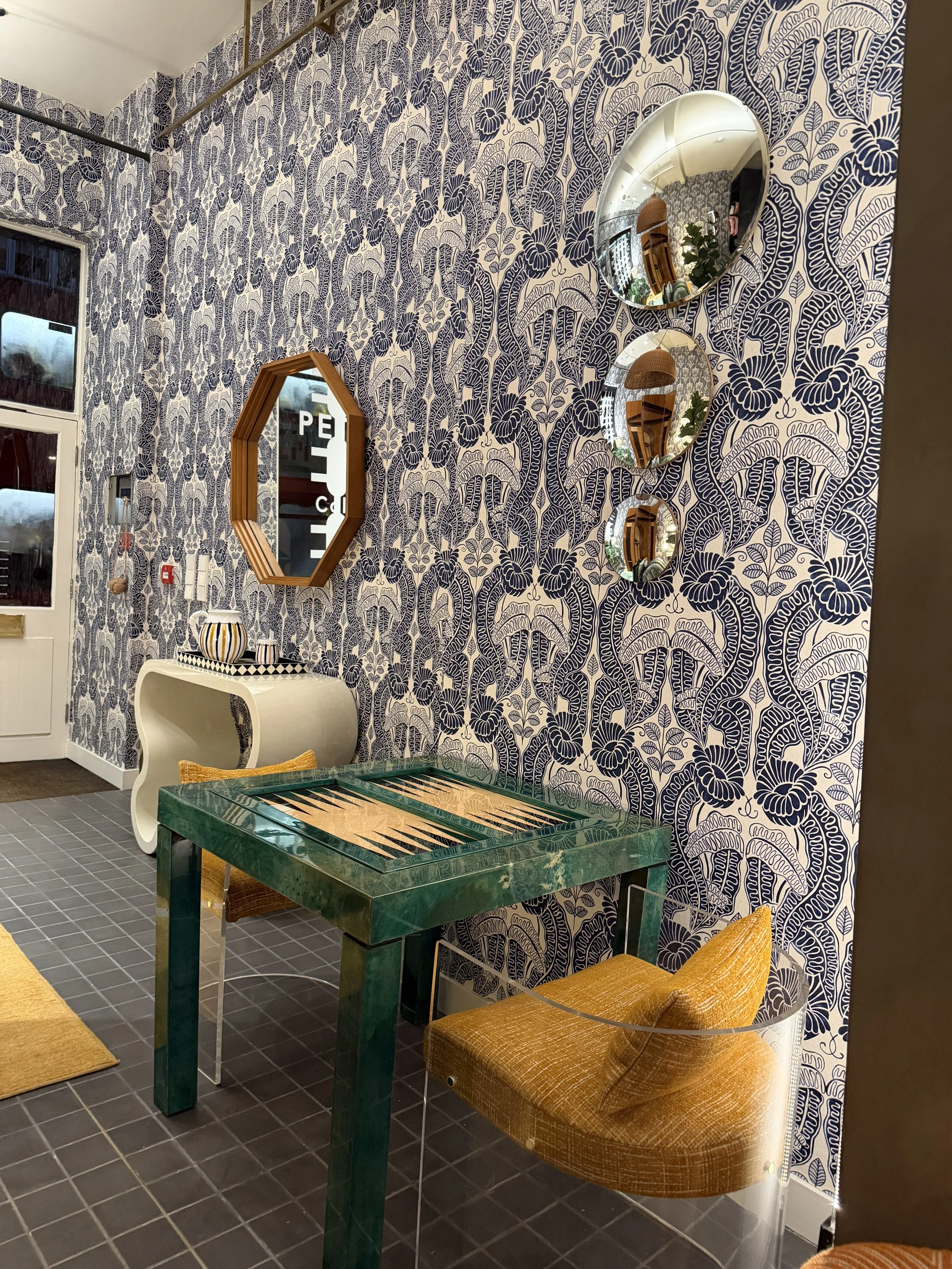
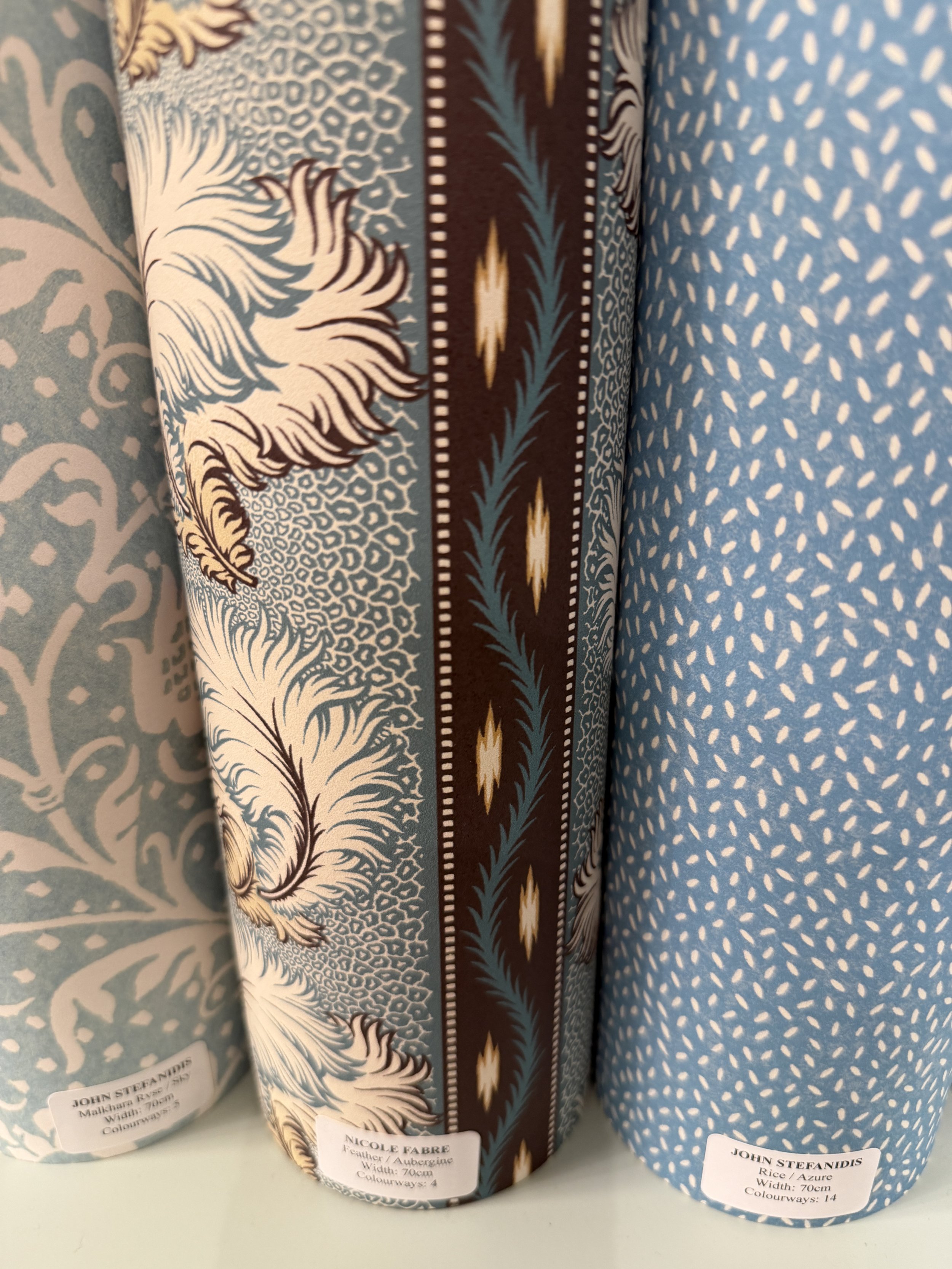
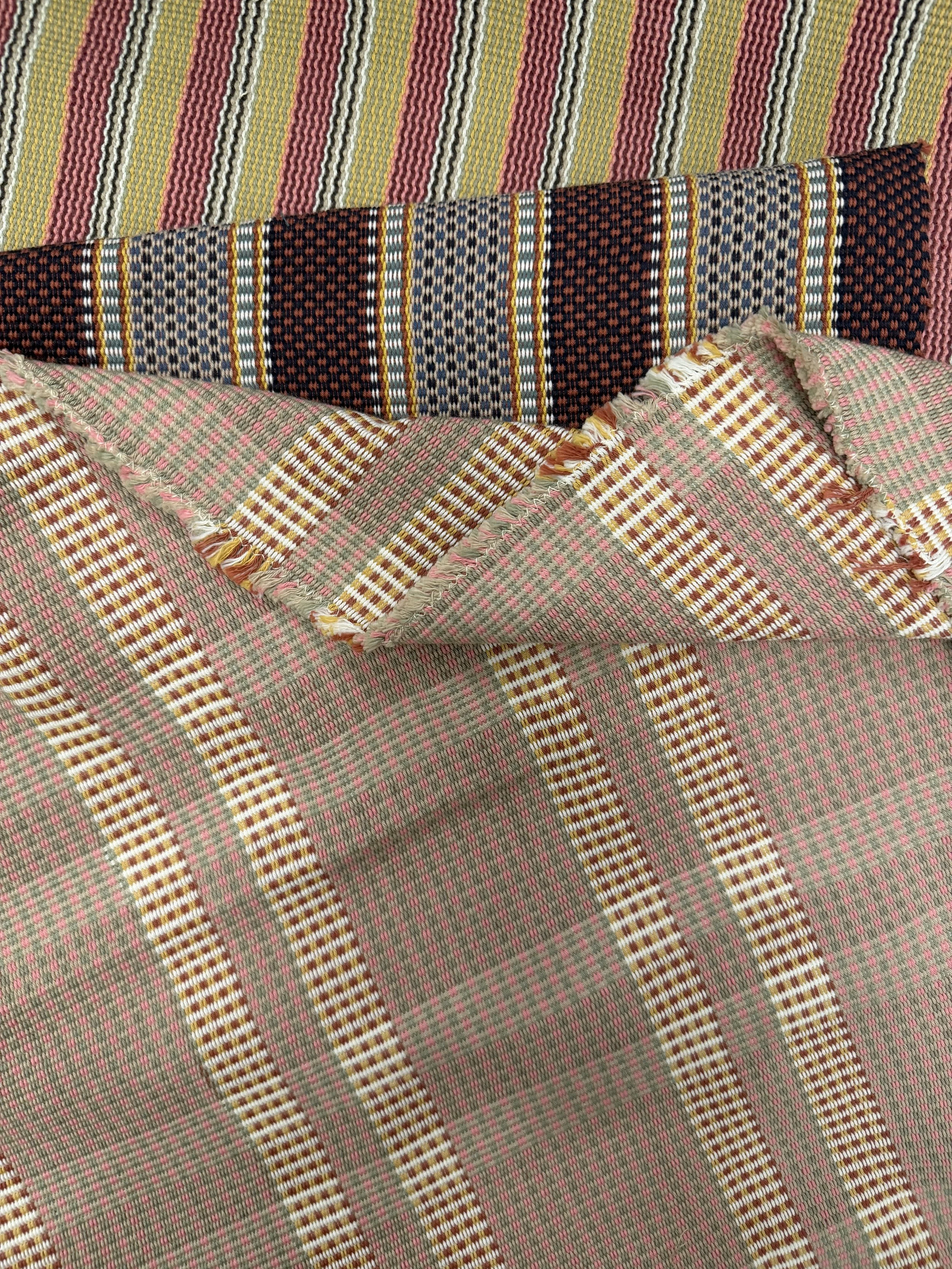
Each day was divided into immersive sessions—behind-the-scenes visits to antiques dealers, historic homes, countryside excursions, and deep dives into how furniture, textiles, and motifs are made and maintained over time. The other half of each day was spent visiting showrooms, archives, and open houses in London’s design districts, listening to British designers speak, watching weavers and printmakers work, and studying fabric patterns that have evolved over generations.
We were hosted with extraordinary generosity—beautiful meals, endless champagne, and a level of thoughtfulness that made the entire experience feel celebratory rather than transactional.
British Design and the Joy of Creativity
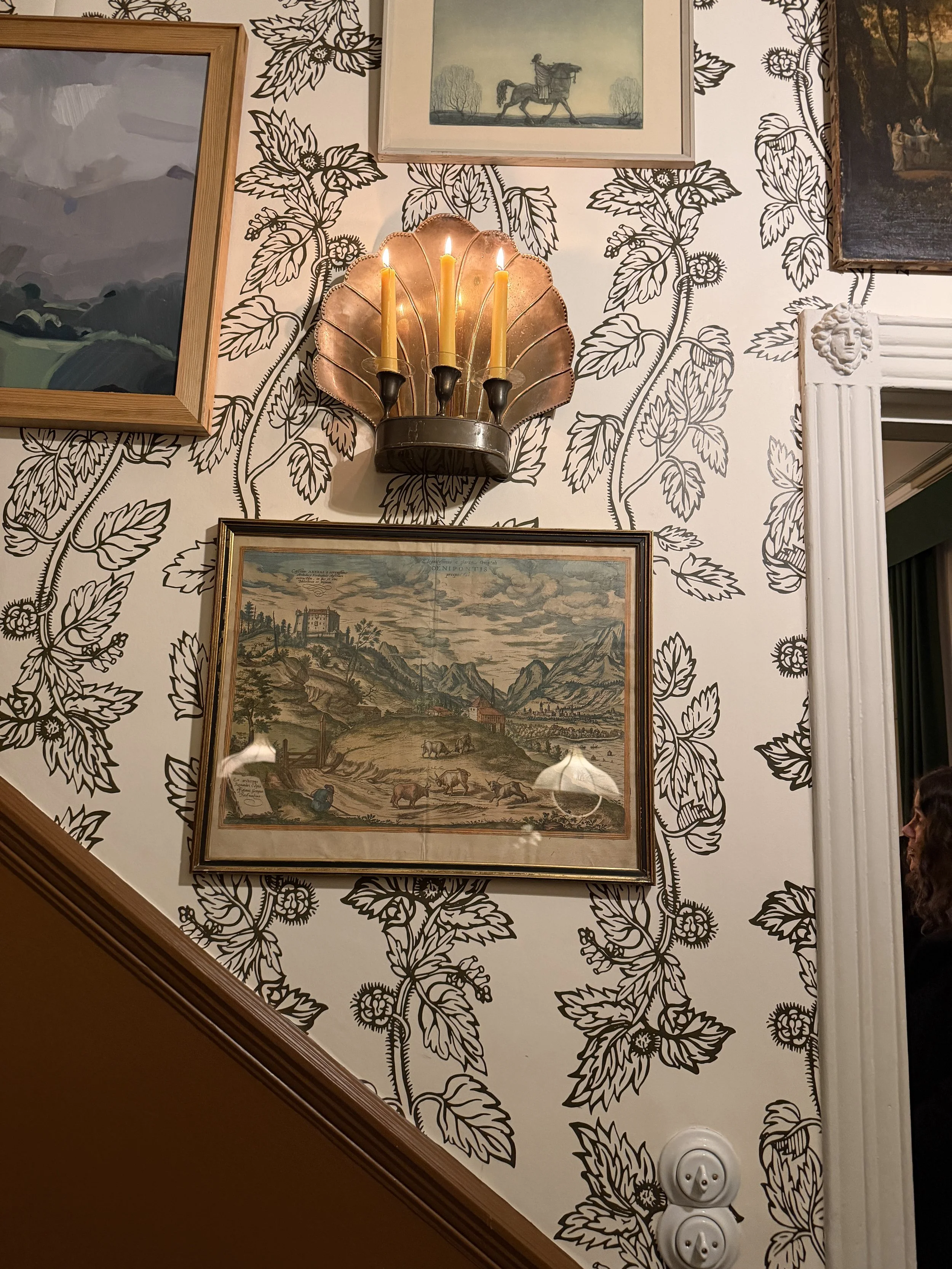
One of my biggest takeaways was the emphasis on creativity in British interiors—not just by professional designers, but by everyday homeowners. Creativity there isn’t about chasing something new; it’s about continuously reworking what you already have, mixing old and new, meaningful and practical, in ways that reflect a life well lived.
In contrast, American design culture tends to prioritize trends and fast-moving fads. We’re constantly being told what’s “in,” what’s “out,” what the color of the year is, or what the next named style category will be. That noise strips us of the confidence to experiment and trust our own instincts.
In the UK, the process of rearranging, reimagining, and reusing is elevated. Rooms change purpose as life changes. Objects are layered with memory and symbolism. The result is interiors that feel personal, surprising, and deeply human.
Letting Go of Perfection
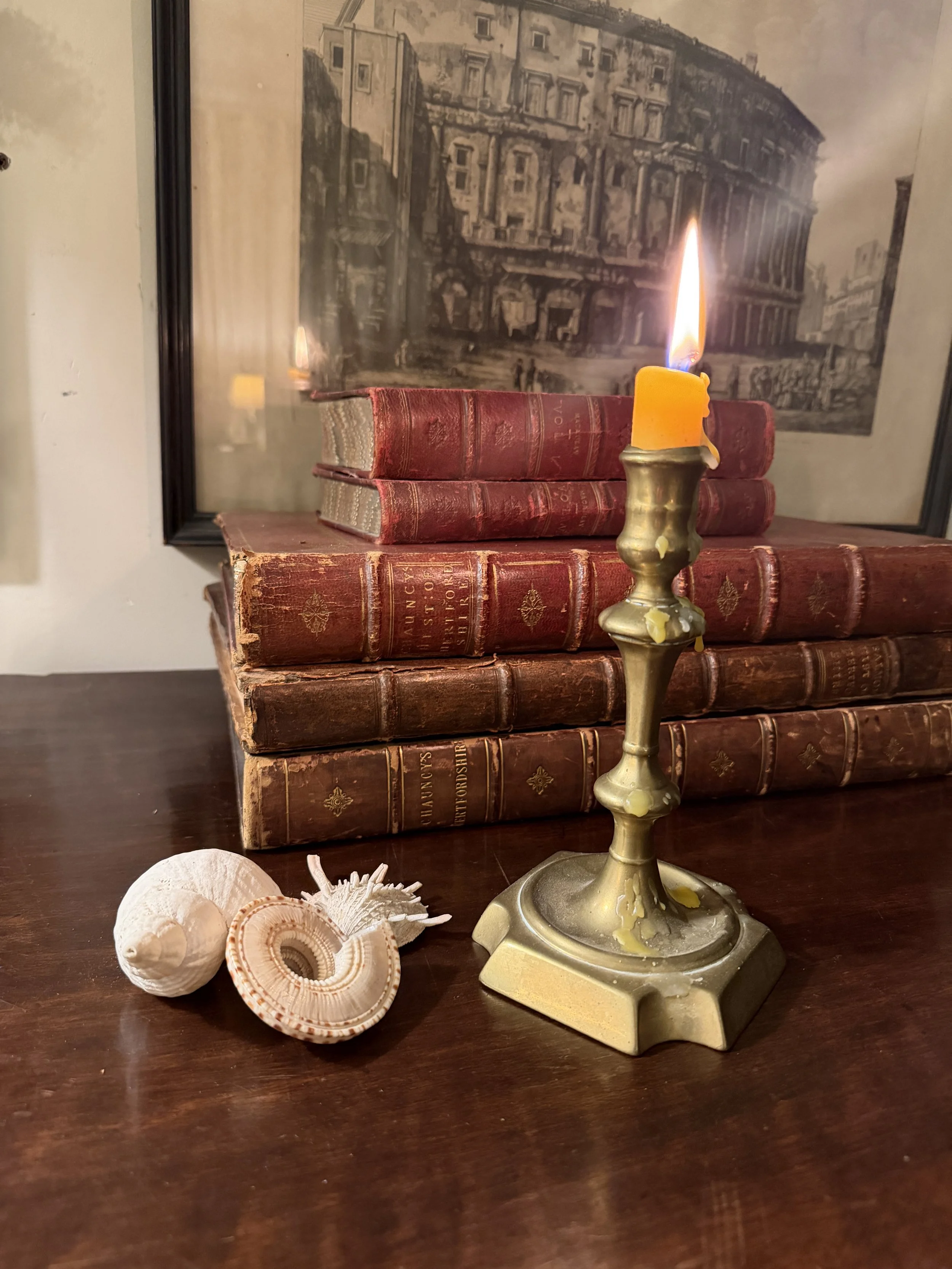
Another striking difference was the British comfort with imperfection. Homes don’t look frozen in time or styled to appear brand new. Wear and tear is visible—and valued. Furniture shows its age. Materials tell stories.
In America, we often equate beauty with things looking untouched, spotless, and new. But in doing so, we lose the warmth that comes from living with things over time. The British approach embraces the idea that well-made objects are meant to be used, repaired, and loved—not replaced at the first sign of wear.
Luxury That’s Comfortable, Comfort That’s Luxurious
I was also struck by how effortlessly British homes balance luxury and comfort. In the US, we often think those two things are opposites—luxury feels fussy, comfort feels casual. But in Britain, luxury often comes from solid construction, natural materials, and hand-me-downs that have already proven their durability.
You can put your feet on the coffee table because it’s built to last. The comfort comes not from disposability, but from confidence in the quality of what you own—even if it’s chipped, scratched, or mismatched.
Our Fear of Maintenance and the Rise of “Convenience”
This leads directly to another big theme: our American aversion to maintenance. We’re encouraged to choose man-made materials because natural stone stains, wood ages, linen wrinkles, and limewash walls can’t be scrubbed clean. Perfection without effort has become the goal.
But in chasing convenience, we’ve often turned to plastic—acrylic paints, synthetic surfaces, and disposable decor. Limewash paint, for example, is breathable, healthier, and visually rich, yet dismissed because it requires care. The question I keep coming back to is: Why are we so afraid of signs of life?
When perfection becomes the standard, true beauty is often the casualty.
Buying Less, Caring More
I’m very honest about the fact that I’m not immune to the lure of a $30 throw pillow. I love collecting. I love shopping. This isn’t about minimalism—it’s about balance.
Fast, cheap decor still requires cleaning, storing, and eventually discarding. What if instead we bought less, invested in better quality, and learned to enjoy caring for what we own? Maintenance can become meaningful when it’s attached to something truly beautiful.
A Practical Exercise: Creating a Real-Life Vision Board
To bring all of this into practice, I share one actionable exercise: creating a physical vision board for your home.
Not on Pinterest. Not on Instagram. In real life.
I encourage you to use mostly non-interior images—art, food, landscapes, clothing, travel, faces, animals—anything that represents how you want to feel and live. Divide your board by rooms or experiences, and think about what you want to experience in each space: rest, connection, romance, focus, nourishment.
The key is surprise. Algorithms only show us more of what we already know. Print magazines, books, and lived experiences introduce us to things we didn’t know we were missing.
By creating something tangible with your hands and hanging it where you’ll see it daily, you turn abstract desires into something real—a quiet commitment to yourself and your home for the year ahead.
Until Next Time
-Zandra