How a Bag of Mussels Became a Wall Sconce — a tour of Porta Romana with Ali Milam
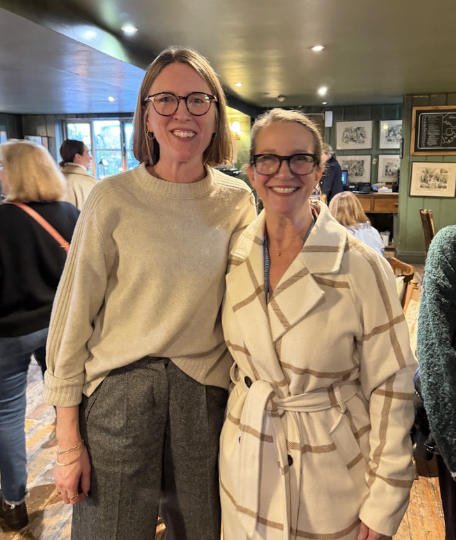
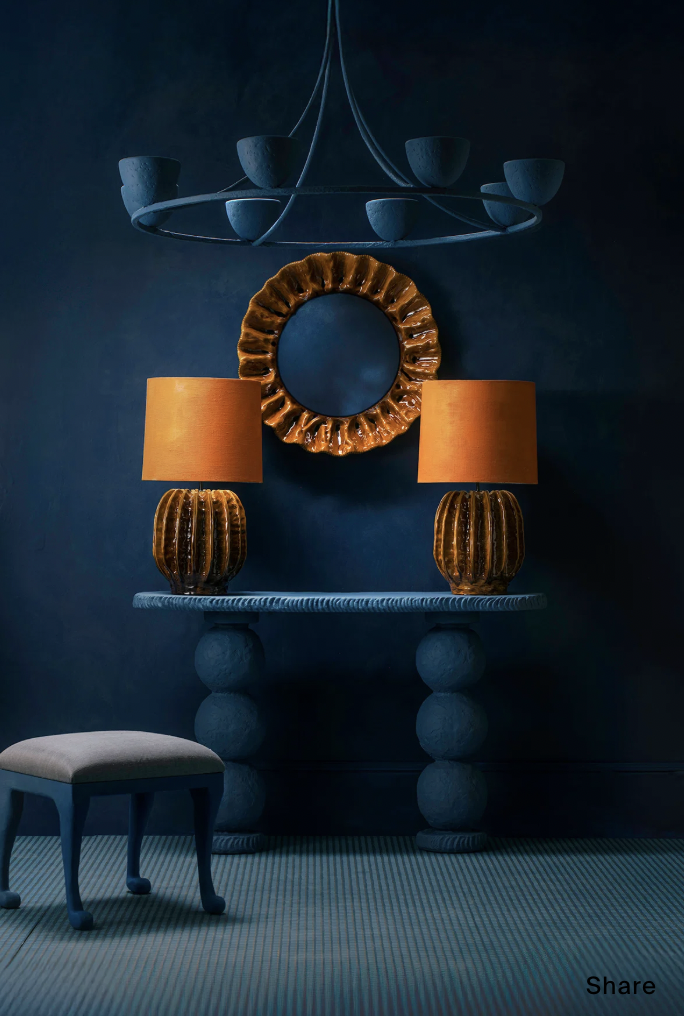
In this guest interview episode, I sit down with Ali Milam, managing director of Porta Romana — a family-founded English lighting and furniture house based in the English countryside, known for handcrafted work across casting, forging, ceramics, glassblowing, and its own in-house painting studio — to collect the origin stories behind some of their most striking pieces.
Nearly every object in Porta Romana's collection traces back to a specific, often unexpected moment: a museum exhibit, a garden, a dog walk, a bag of mussels bought for dinner. This episode moves through several of those stories in detail, including exactly how a wall light shaped like a cluster of mussel shells came to be cast from real mussels, one shell at a time.
This episode also covers Porta Romana's collaboration with fashion-influenced artist Gergei Erdei and its recent B Corp certification.
With your monthly subscription, you'll have access to exclusive, full length episodes, both audio and video. After signing up, you'll receive an email with easy instructions on how to add this premium show to your podcast player (Apple, Spotify, etc). And every week, you'll receive a link to the video version. As you may know, in the audio version, I make a strong effort to describe the designs we're looking at. But if you want to see everything for yourself, you'll want to click the link to the video version we'll be sending you.

This episode is sponsored by Aura House.
Elegant diffusers, clean, natural scents, free of toxins.
KEY TAKEAWAYS
How a bag of mussels became a wall sconce
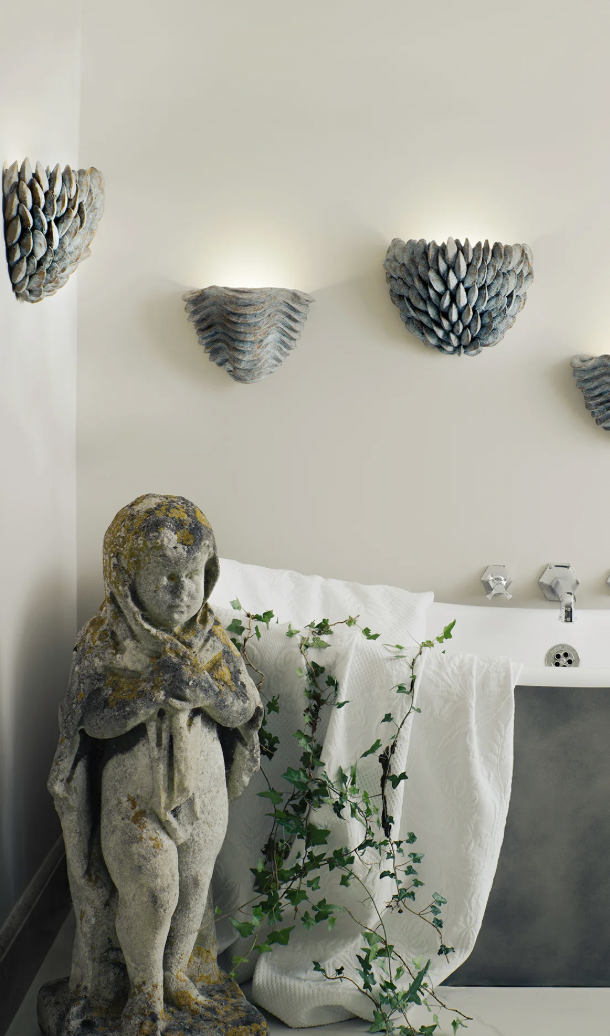
Porta Romana's mussel wall light started when sculptor Chris bought several bags of real mussels — enough that he ate mussels for dinner all week — and cast each shell individually in plaster before piecing them together by hand to recreate the layered, clustered look of mussels on a rock. The plaster piece became a mold, cast in a more durable composite, then finished in the painting studio with a layer of gold leaf beneath the paint for a subtle, realistic iridescence.
From museum exhibit to lighting collection: where ideas actually come from
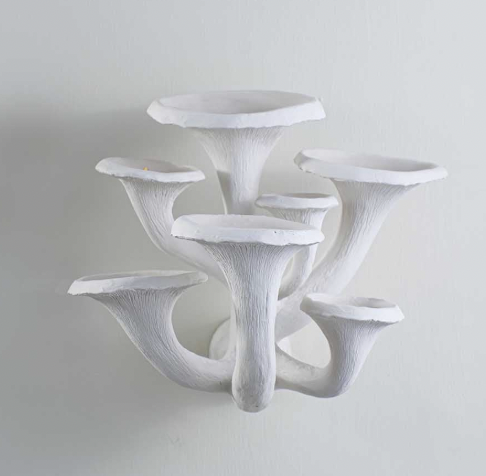
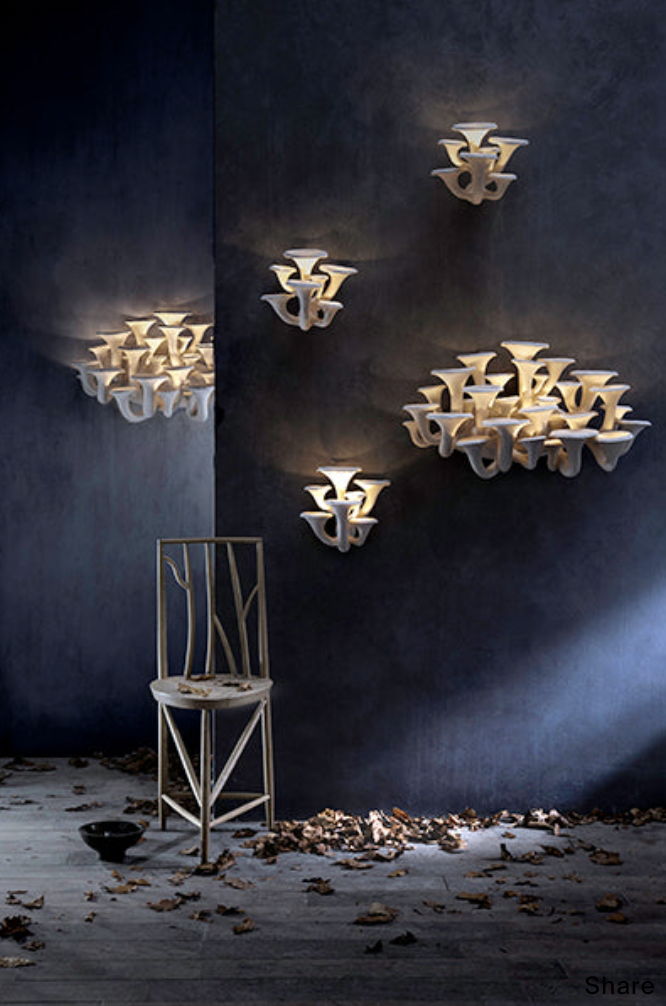
Porta Romana's mushroom-shaped wall sconce began when founders Andrew and Sarah visited “Food Bigger Than the Plate” at London's Victoria and Albert Museum and saw oyster mushrooms growing out of vertical bags of used coffee grounds. The idea moved from that single moment into months of development: a 3D-printed base shape established the form, and extensive hand-sculpting afterward added the level of intricate detail 3D printing alone can't achieve.
A lamp cast from an actual garden pumpkin
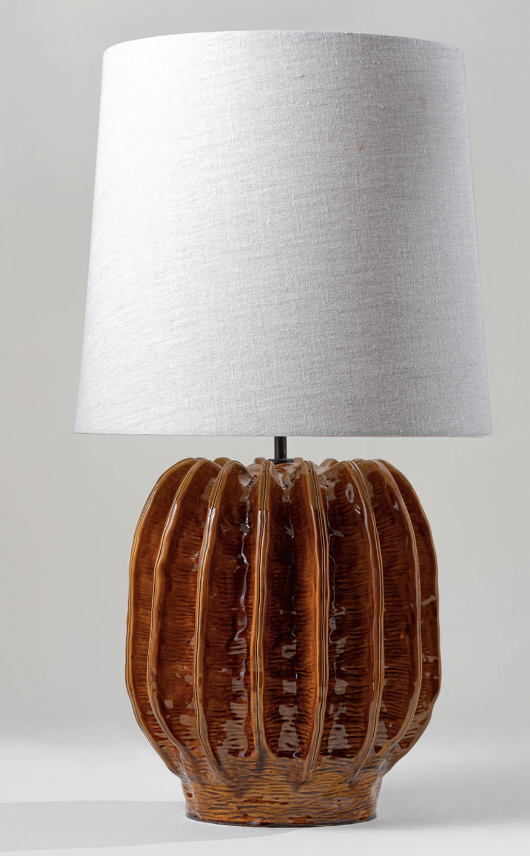
One of Porta Romana's ceramic lamps was cast directly from a pumpkin grown in co-founder Sarah's own garden, and a related ceiling light traces back to a seed pod she picked up on a dog walk and immediately envisioned as a light fixture.
A fashion designer's theater curtains, cast in metal
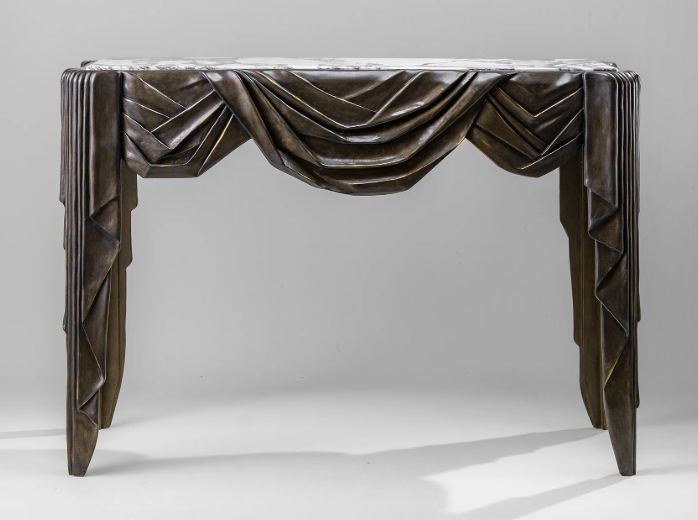
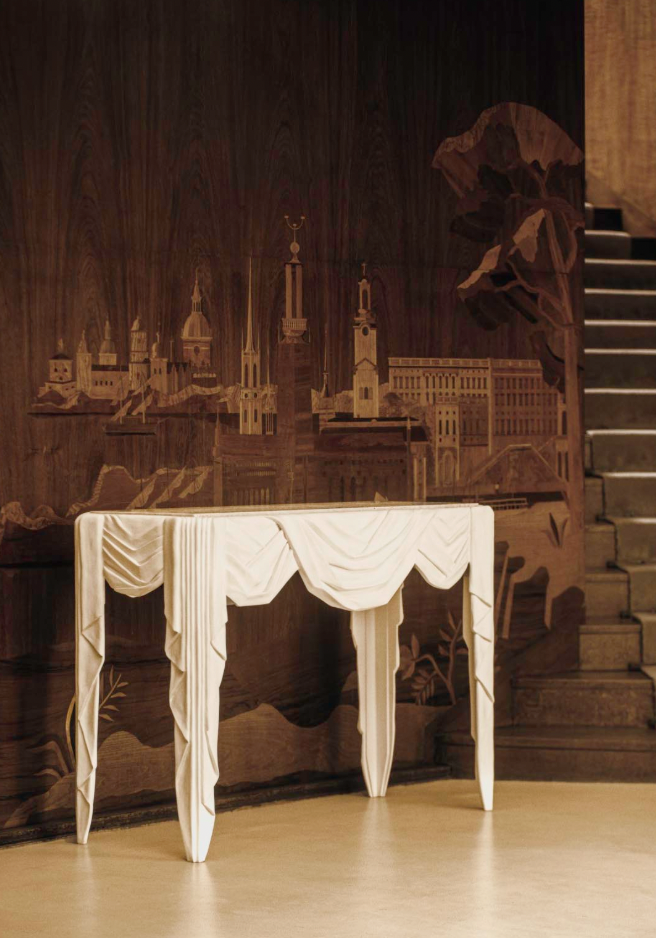
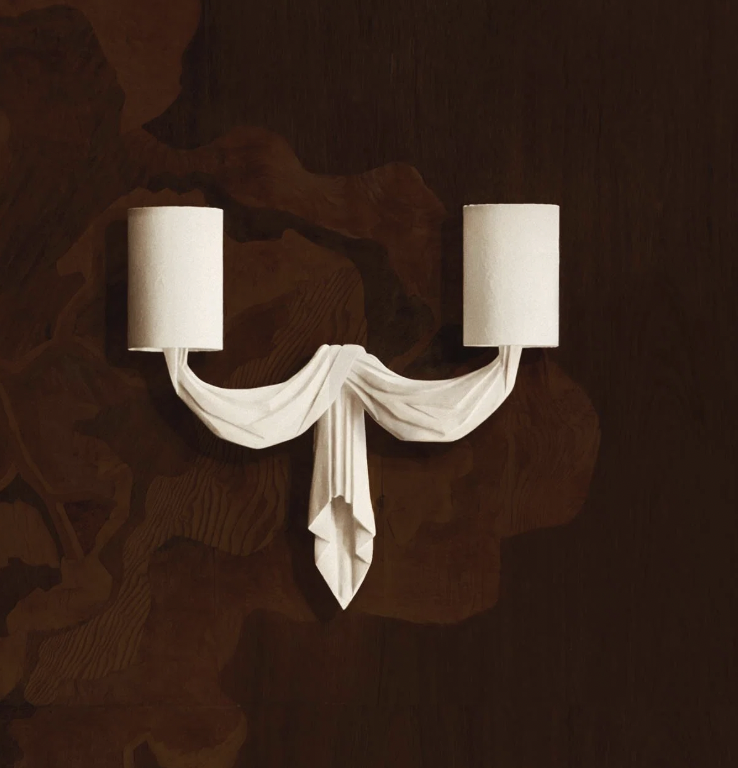
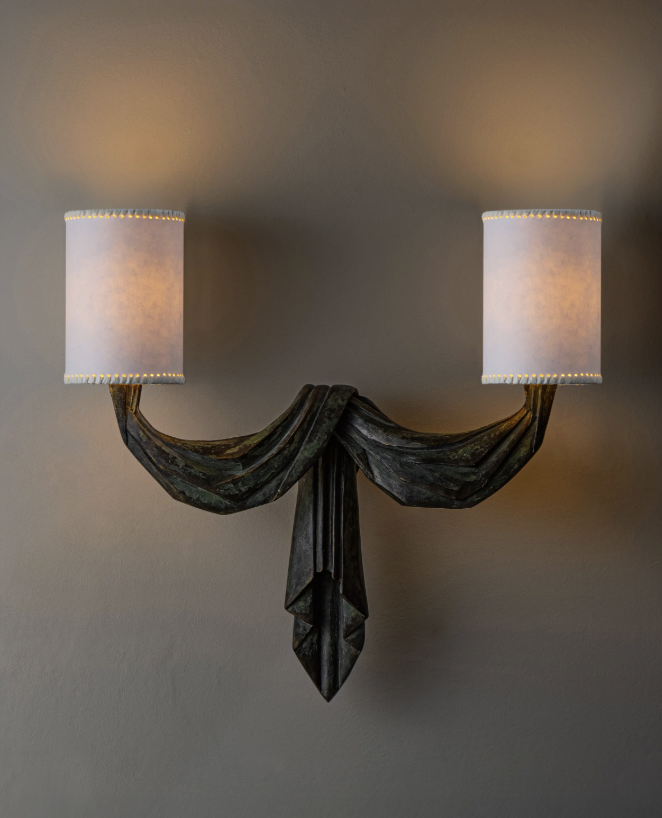
Porta Romana's Teatro collection was created with artist Gergei Erdei, whose background is in fashion and whose designs for the collection are influenced by Roman architecture and theater staging. Erdei worked out the exact folds of draped fabric using a pinned calico toile, which Porta Romana's sculptor then cast permanently in metal — turning something soft and movable into a fixed, sculptural object.
Sculpture and art as recurring reference points
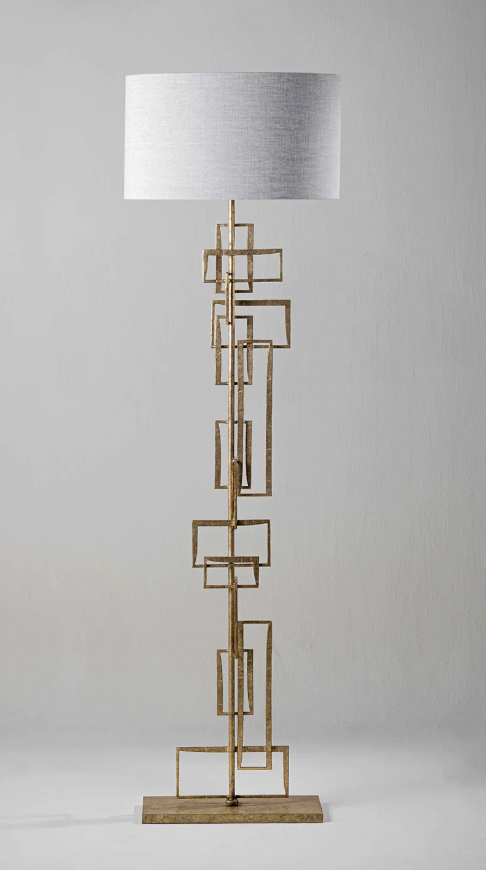
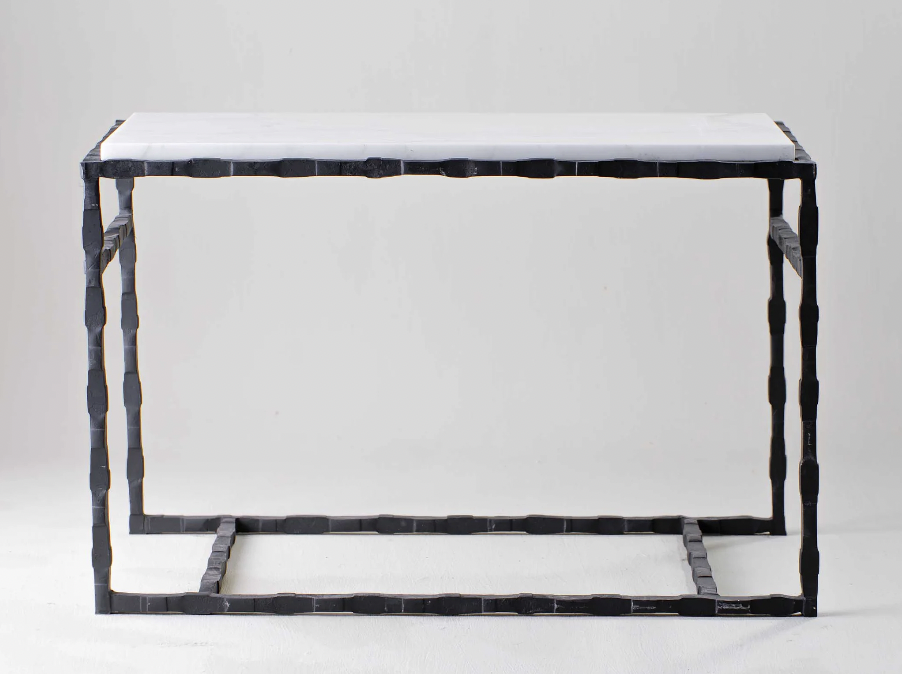
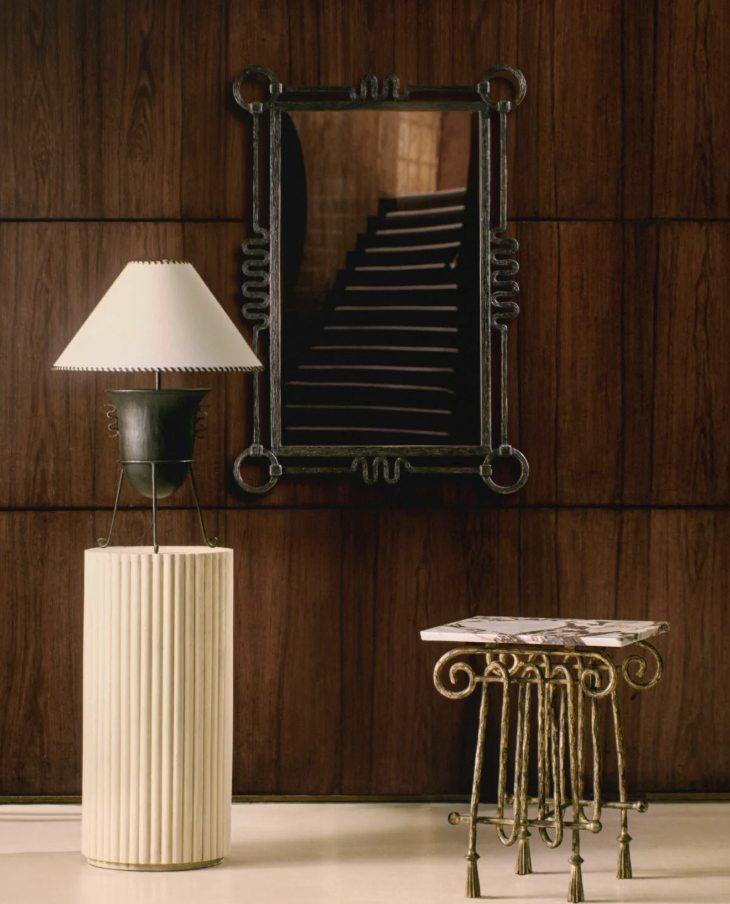
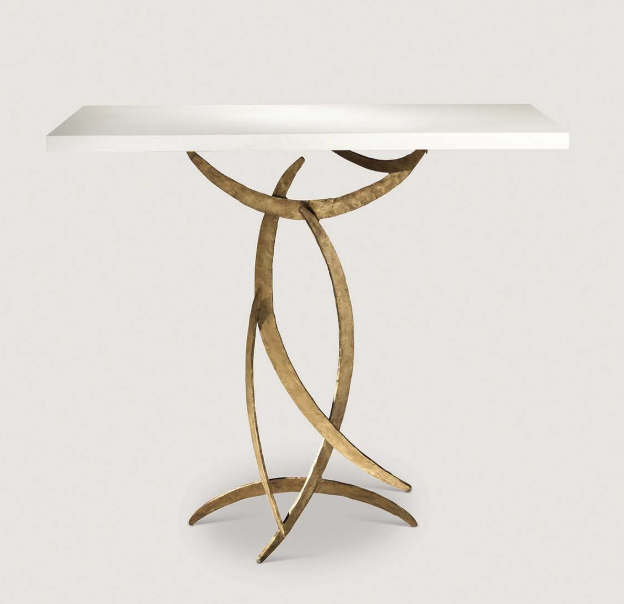
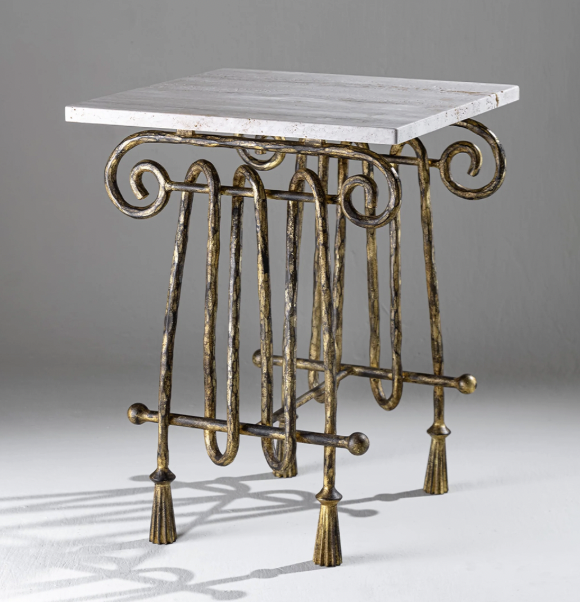
Several Porta Romana pieces draw directly on fine art references — a forged-metal coffee table and a pair of figurative floor and table lamps nod to Giacometti's sculptural style, while a side table's motif is drawn from Miró's paintings. The pieces sit comfortably alongside much older antiques, creating an intentional contrast between eras.
What B Corp certification actually verifies
Porta Romana achieved B Corp status in January. The certification evaluates not just environmental practices but how a business treats its team, its network of suppliers and small makers, and its customers — including a network of artisan glassblowers in the UK and Czech Republic, and small ceramic studios for whom Porta Romana is often the largest client.
Even the small details have a story
Porta Romana's lampshade workshop, run by Franny, uses fabric scraps down to the last piece — offcuts that can't be reused are donated to a company that turns them into the interior padding of footballs (soccer balls). It's one more small story in a collection full of them.
Ali Milam is the managing director of Porta Romana, a British lighting and furniture house based in the English countryside. Find more guest interview episodes and full show notes at SlowStyleHome.com/podcast.
Links Mentioned In The Episode