The Whole Slow Style Framework in One Bungalow — with Amy Dutton
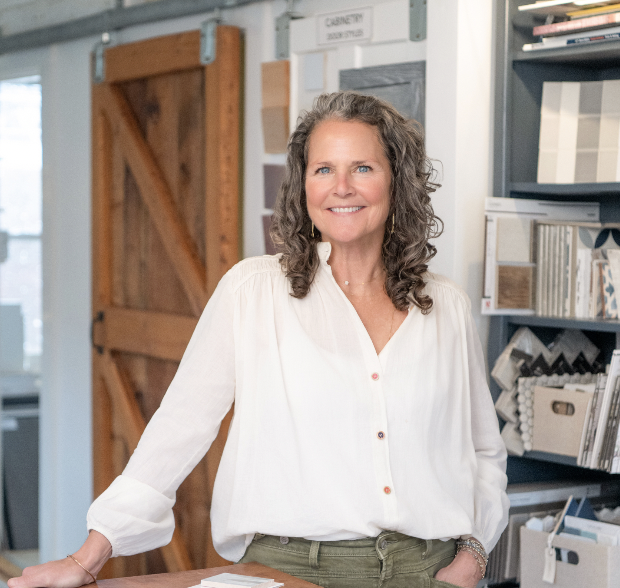
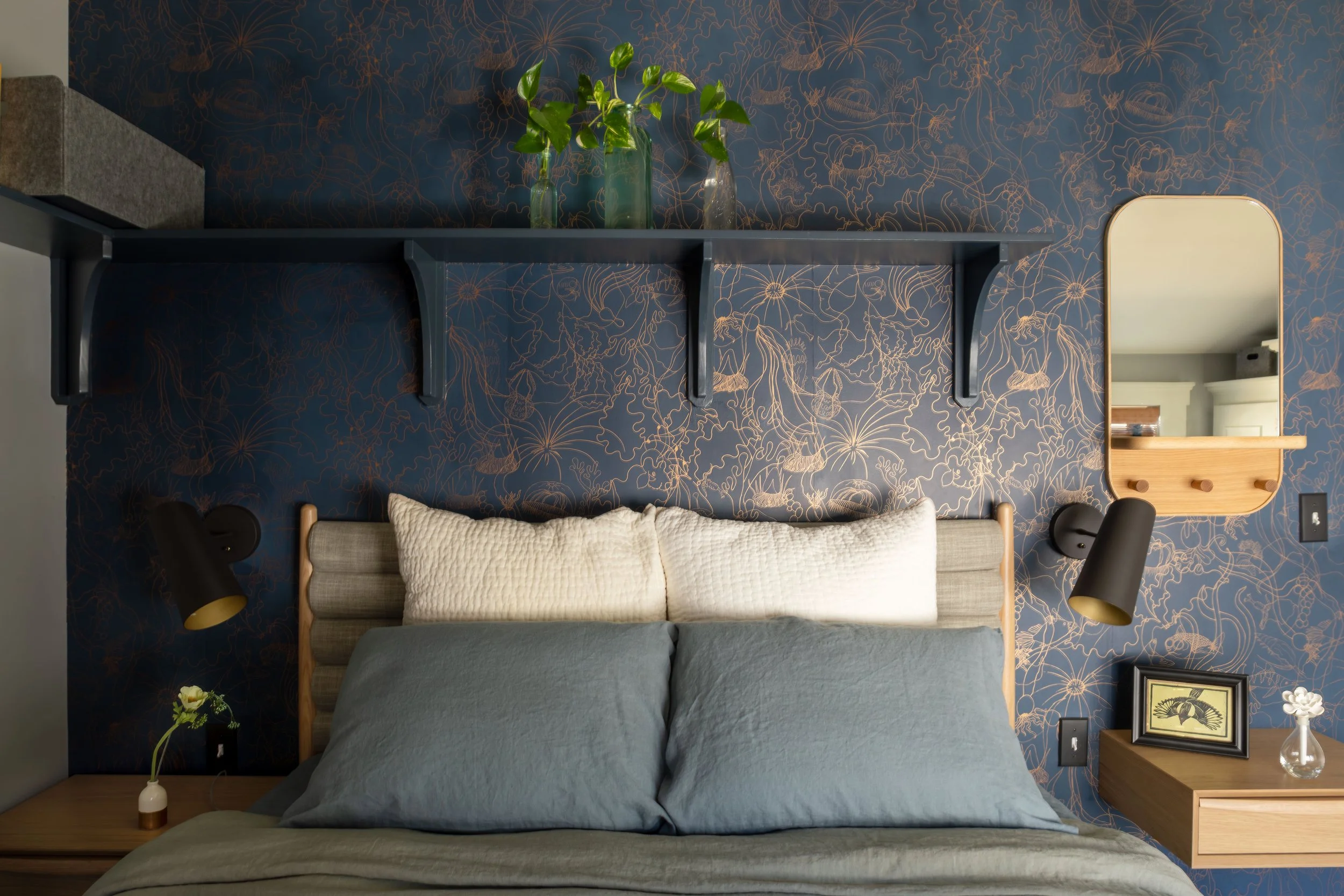
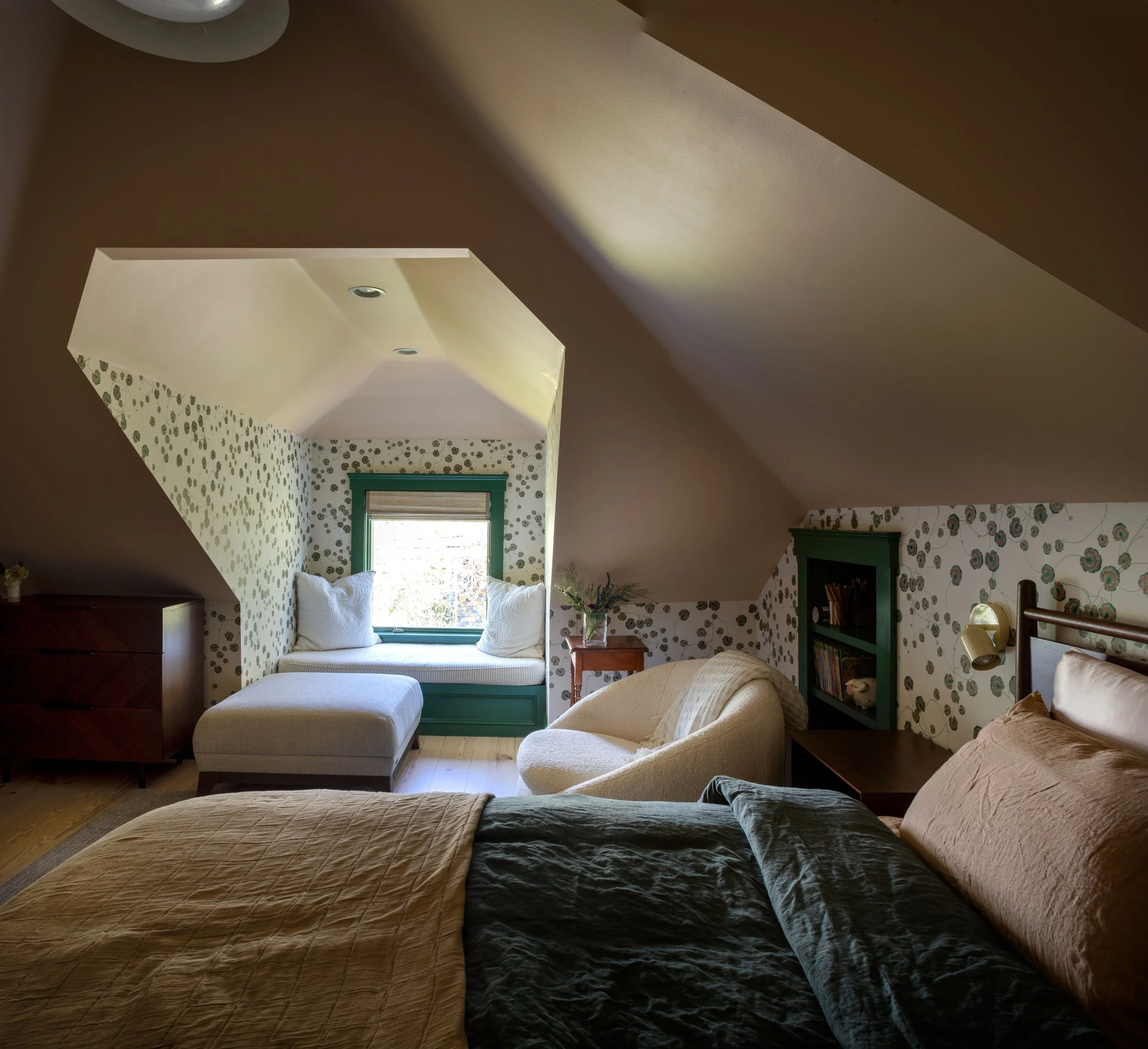
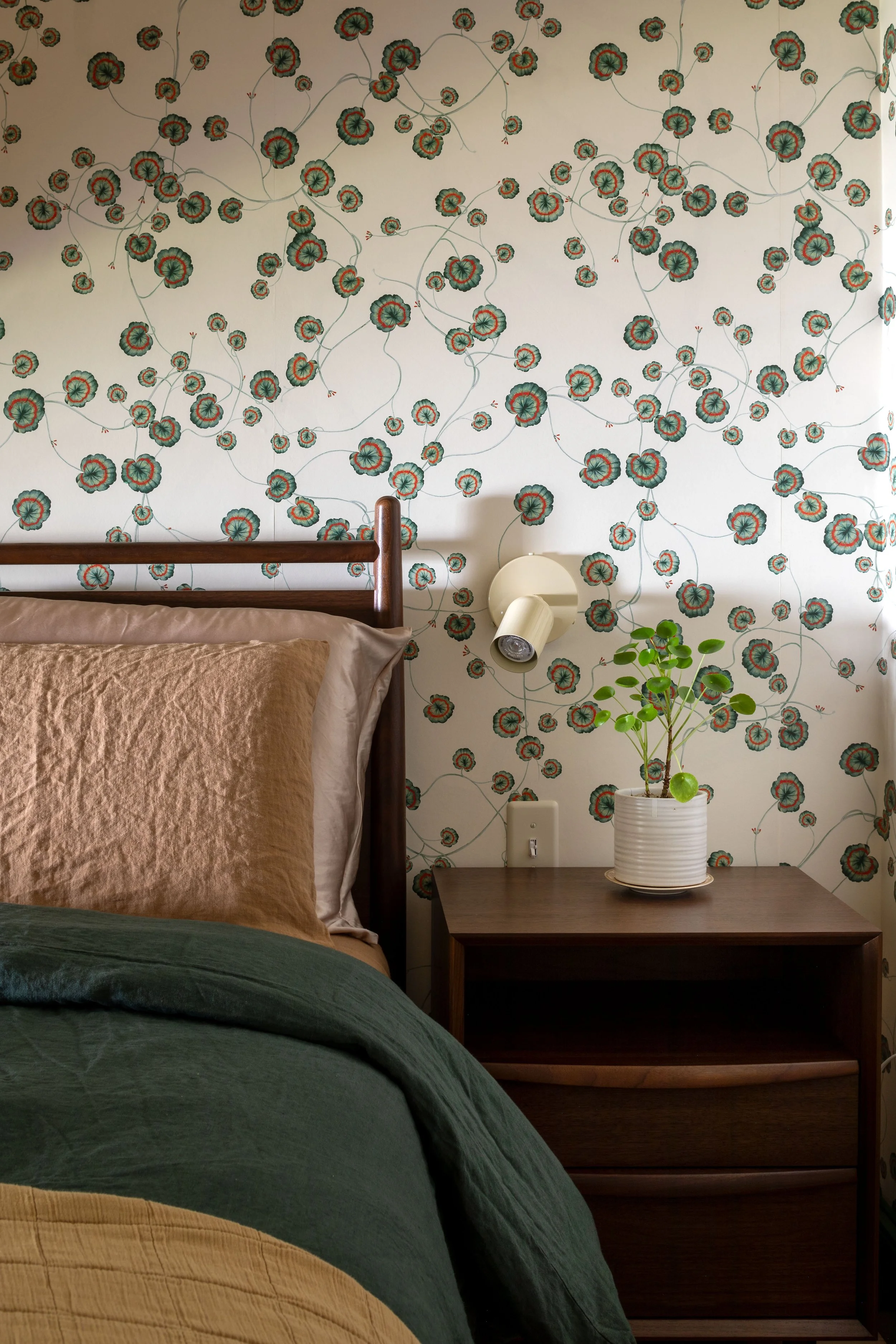
In this companion episode, I share my takeaways from touring the home of Amy Dutton, an interior designer based in Portsmouth, New Hampshire, whose 1920s bungalow she and her husband gutted and rebuilt while raising three kids. What I found there is what I'm calling the whole Slow Style framework in one bungalow — a single house where all three of my design principles and all five of my design elements show up at once, without ever being assembled off a checklist.
This isn't a home tour episode. It's a reflection on why Amy's home works — architecturally, emotionally, and aesthetically — and what any listener can take from it, regardless of their own home's size, age, or style. A separate bonus video episode, the full room-by-room home tour with Amy, is available for paying subscribers.
With your monthly subscription, you'll have access to exclusive, full length episodes, both audio and video. After signing up, you'll receive an email with easy instructions on how to add this premium show to your podcast player (Apple, Spotify, etc). And every week, you'll receive a link to the video version. As you may know, in the audio version, I make a strong effort to describe the designs we're looking at. But if you want to see everything for yourself, you'll want to click the link to the video version we'll be sending you.

This episode is sponsored by Aura House.
Elegant diffusers, clean, natural scents, free of toxins.
KEY TAKEAWAYS
Life Informs Style: how architecture can solve a real-life problem
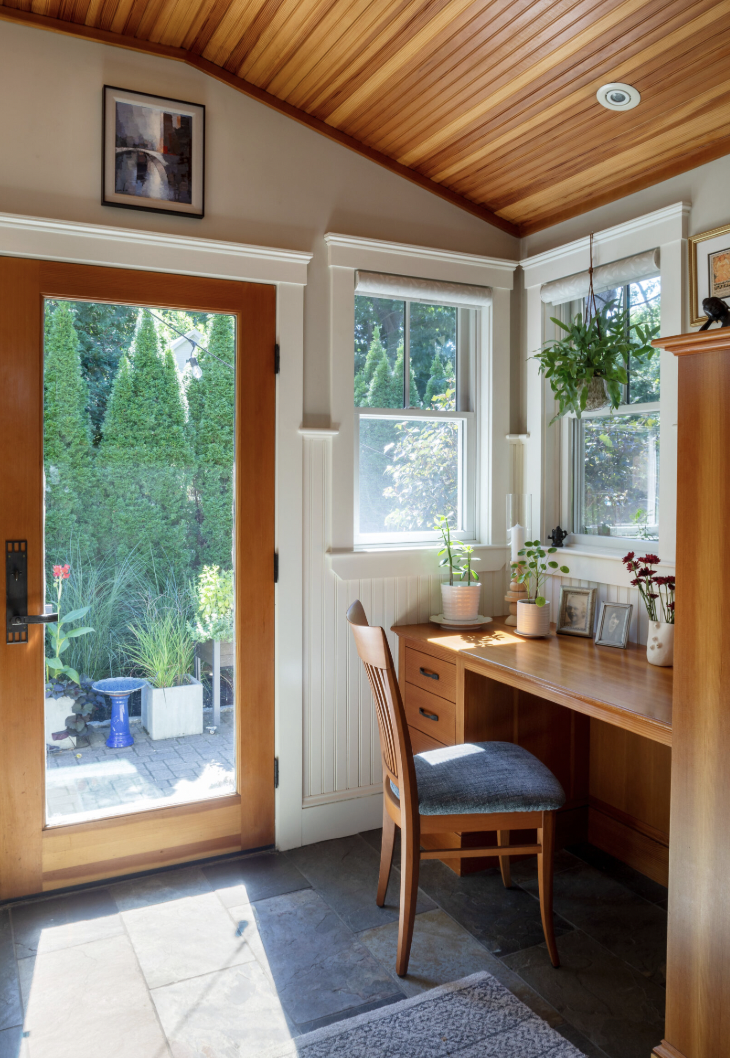
Amy and her husband raised three kids in a bungalow that's smaller than most families of five would choose today. Rather than fight that constraint, her design decisions leaned into it — a built-in desk tucked into the mudroom, shelving built directly into wall studs before the drywall went up, and a raised roofline that made room for three individual bedrooms. This is what it looks like when a home's function comes before its finishes.
Style Evolves: why “everything has to match” is a myth worth breaking
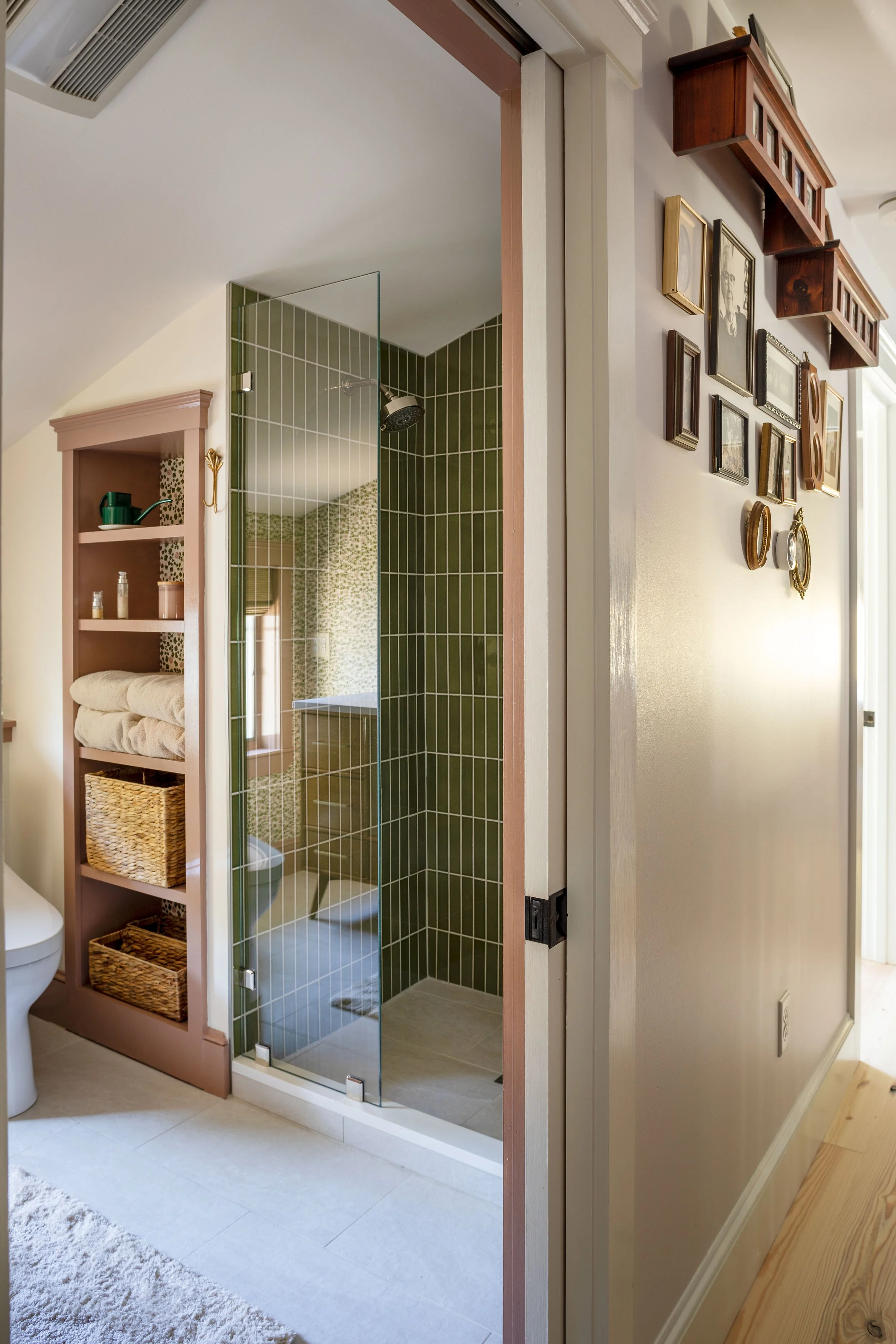
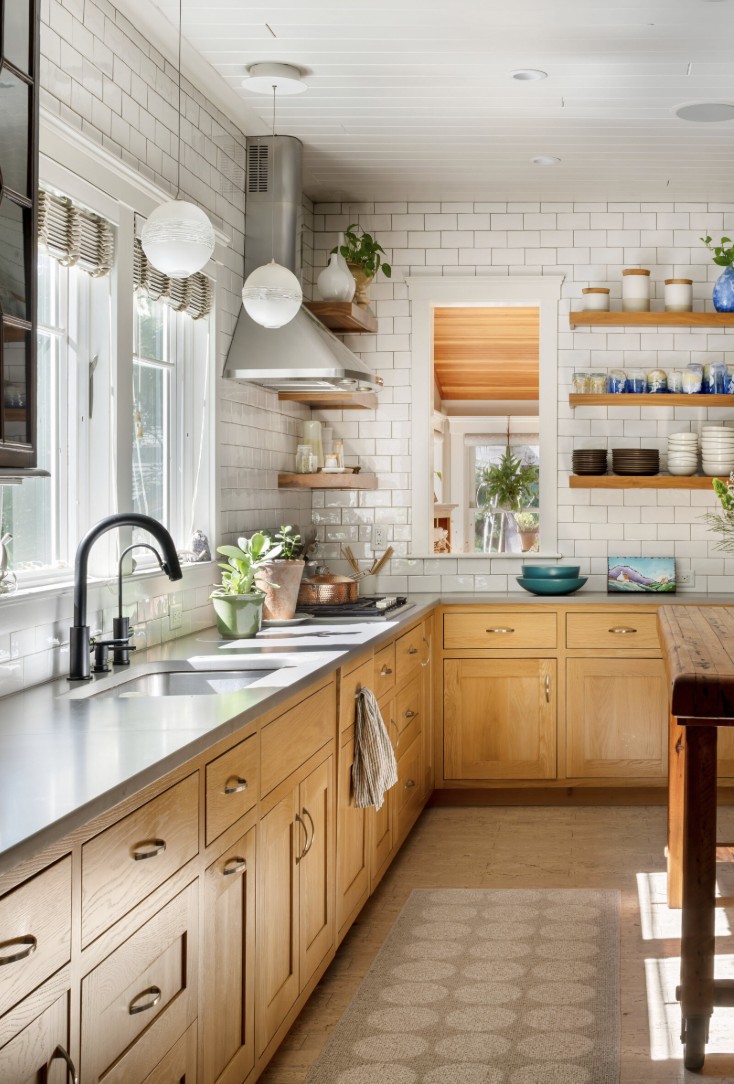
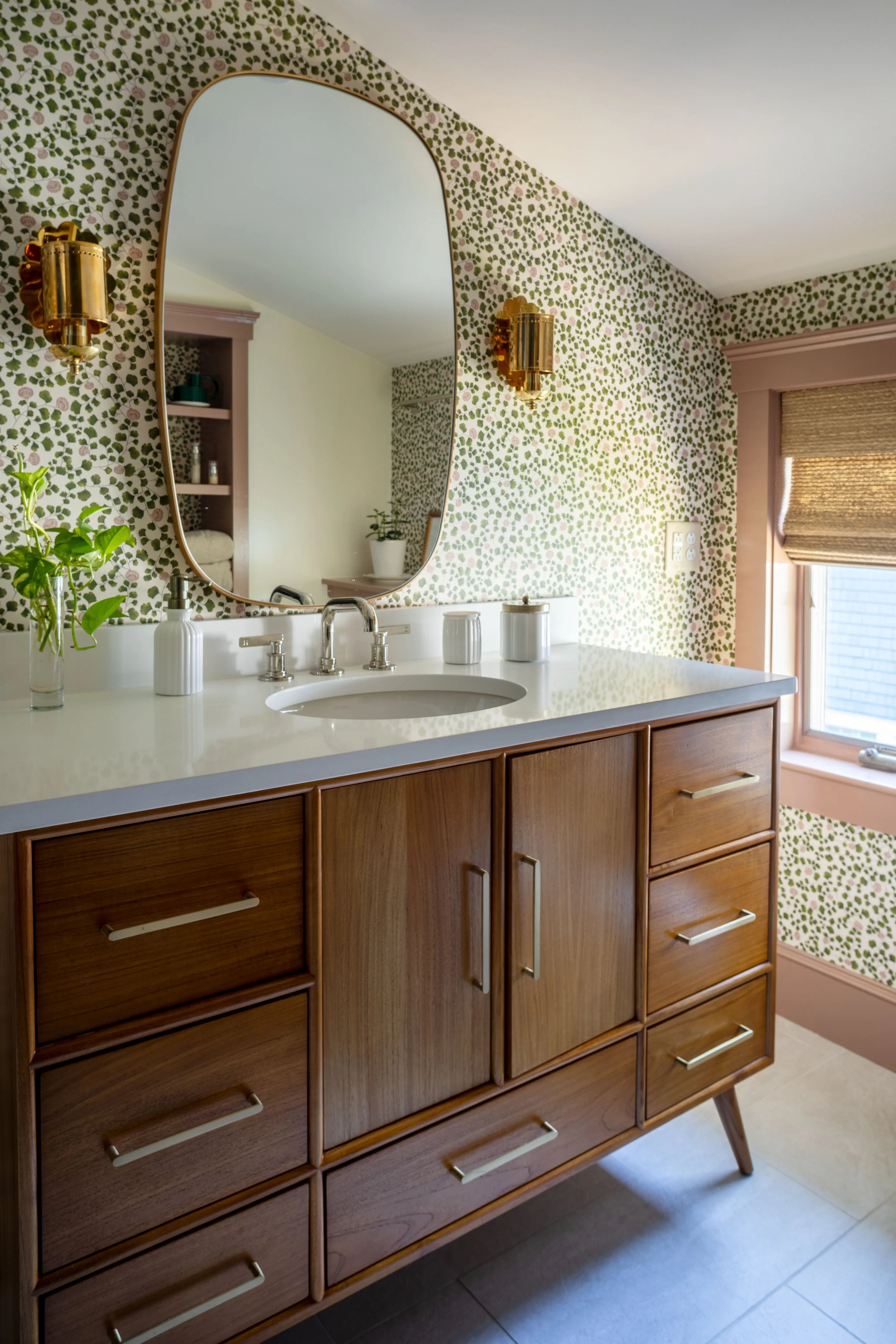
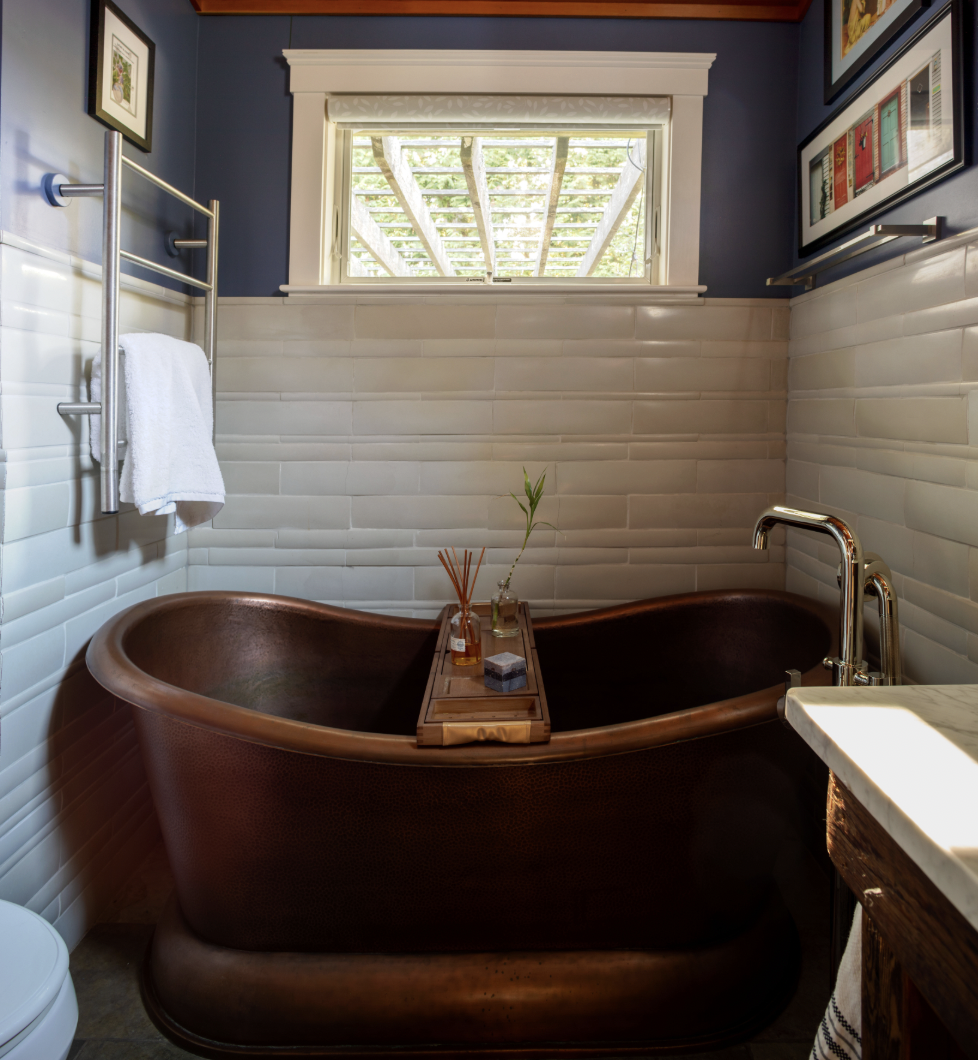
In Amy's kitchen, oak, painted wood, pine, walnut, and a 1700s cupboard all sit together, on purpose. In the kids' bathroom, nickel and brass fixtures are mixed without hesitation. Amy's approach is a working example of what it means to develop a design eye: try combinations, live with them, and trust what looks right over what a rule says should match.
Style Evolves: furniture that moves with the seasons
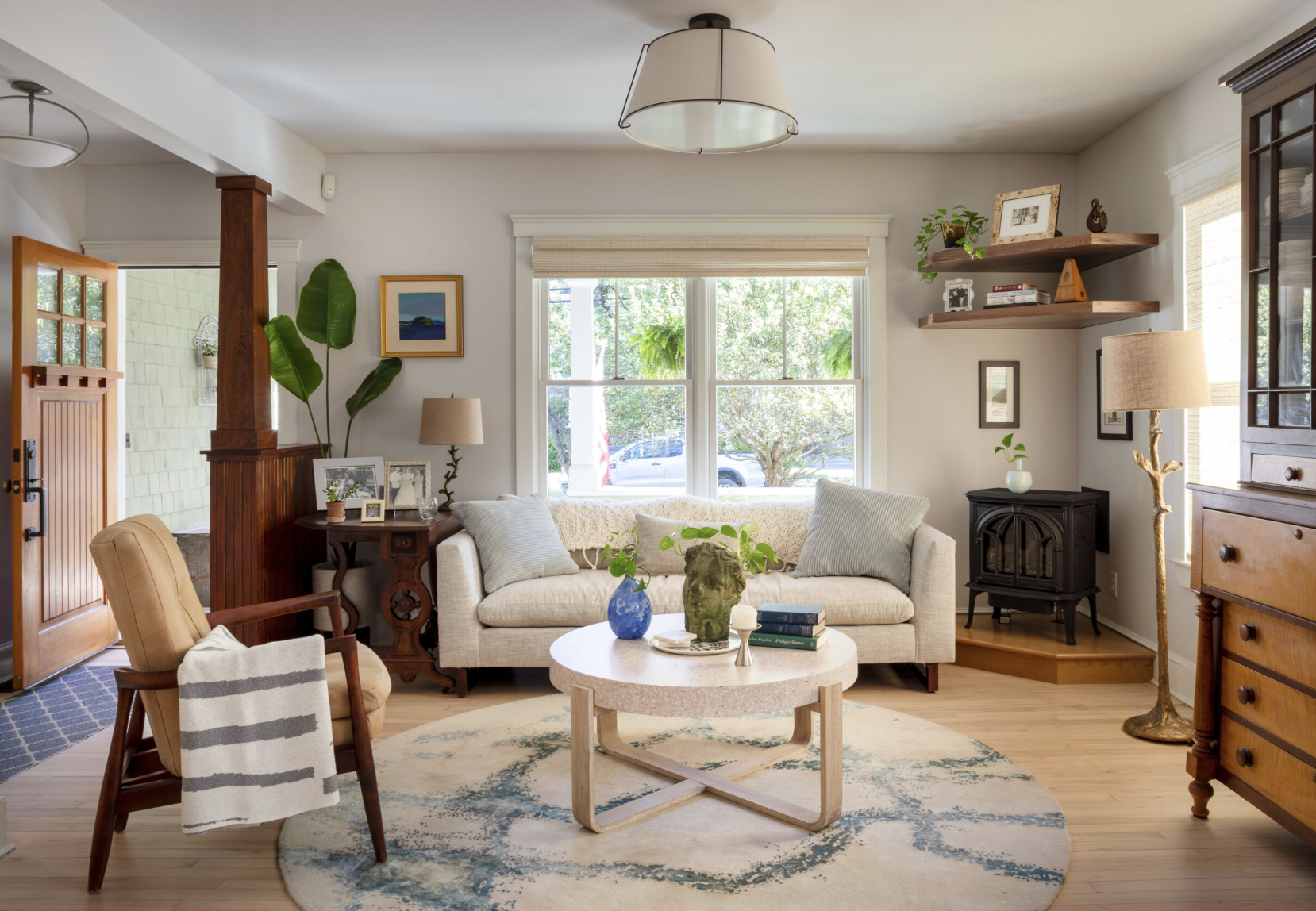
Amy's wood stove and the sofa near it aren't fixed in place. All winter, the sofa faces the stove and two chairs flank it; in warmer months, the room reconfigures. It's a literal, physical example of a home that's allowed to change with how it's actually used, not styled once and left alone.
Style Reflects Your Values: choosing a smaller home on purpose
Amy and her husband bought their Portsmouth bungalow, roughly 1,500–1,800 square feet, during the 2008 financial downturn, when some of the town's historic homes became newly available. They chose proximity over square footage — walking to the market, downtown, and the beach — a decision that reflects what they valued more than what they could have afforded to build bigger elsewhere.
Antiques that still do the work
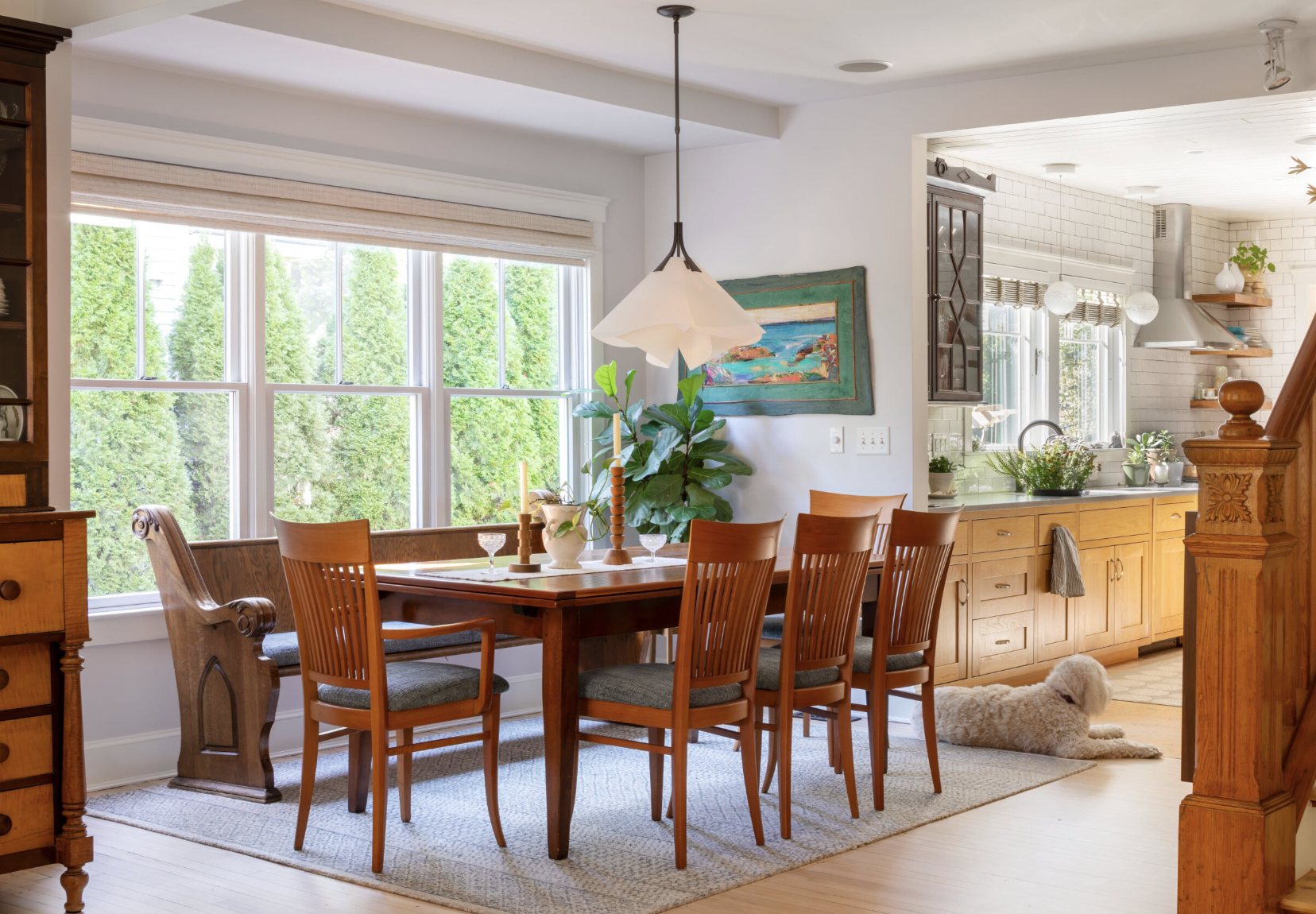
A church pew in the dining room came from the California church where both Amy's grandparents and her parents were married. A drop-leaf table from her grandmother still physically adjusts with the seasons — leaf up in winter, down in summer — and holds a hidden drawer where the family recently rediscovered an old Easter egg. These are antiques that stay in active use, not objects preserved behind glass.
Art and Culture rooted in a sense of place
Two oil paintings in Amy's home — one of the Calendar Islands off the coast of Portland, Maine, and one of the old Memorial Bridge near her town — were chosen for their connection to where she lives, not just their aesthetic. Amy is also a working potter; a ceramic fountain she made sits on her kitchen counter, echoing the same water-and-place connection found in the paintings.
Handmade and Nature: everyday use and salvaged materials
The open shelves in Amy's kitchen hold pottery she made herself — in daily rotation, not on display, which keeps the pieces from ever collecting dust. Throughout the house, salvaged materials do similar quiet work: a kitchen island built from antique two-by-fours turned on their sides, salvaged stair treads and a salvaged newel post, and reclaimed doors from an old Boston office building.
Amy Dutton is an interior designer based in Portsmouth, New Hampshire. Find the full video home tour and more episodes at SlowStyleHome.com/podcast.
Links Mentioned In The Episode
Amy’s Website