
Does Your House Need Hushing? Backwards Decluttering with Myquillyn Smith
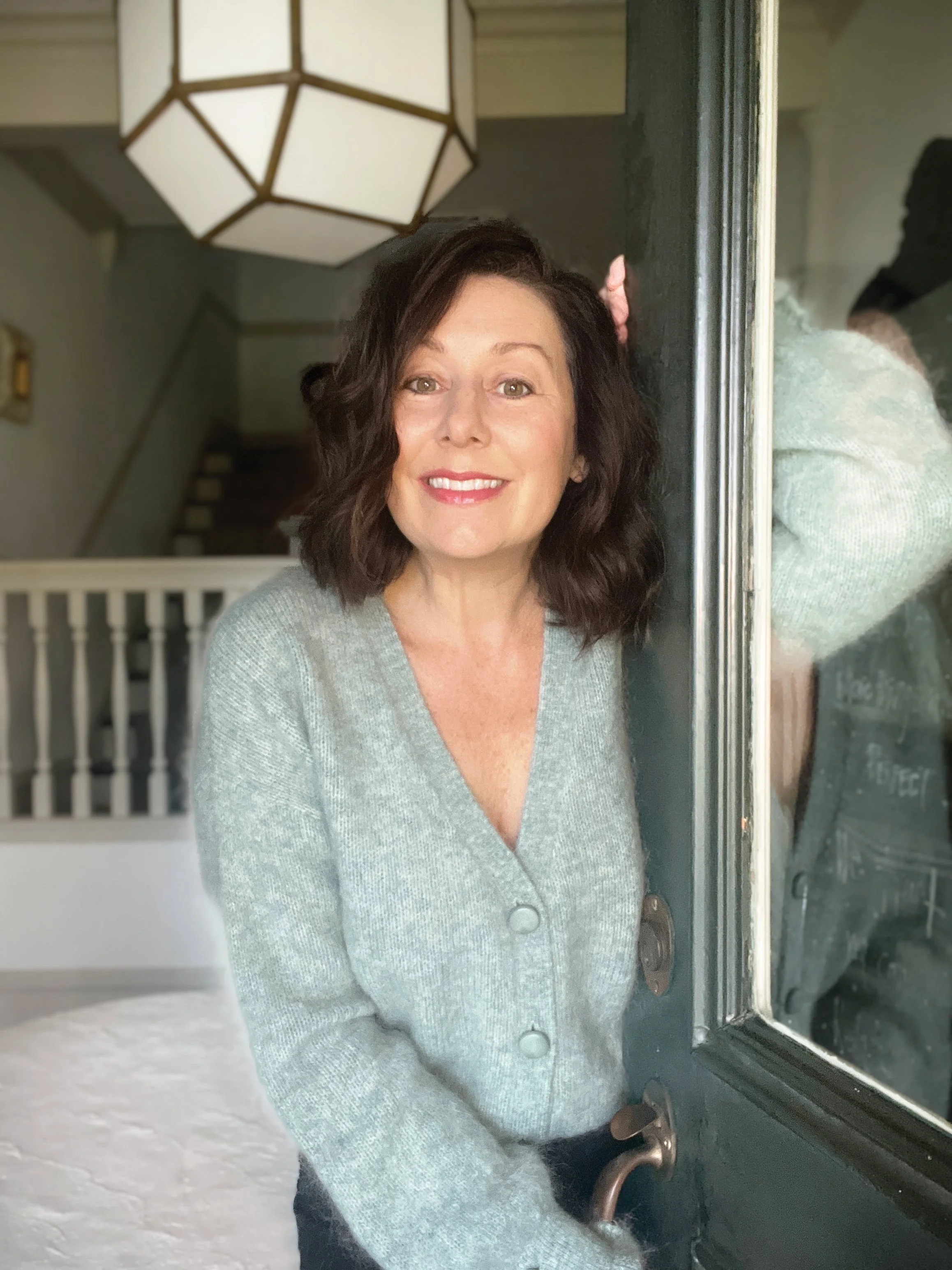
In this guest interview episode, I sit down with Myquillyn Smith — known to many as The Cozy Minimalist and author of the new book House Hushing — to talk about what actually tells you when you have too much stuff in a room.
Myquillyn's method is called backwards decluttering: instead of picking up every object and asking whether it sparks joy, you clear a room down to its furniture and function, live in it stripped-down for a day or two, and only let things back in once you've proven — by missing them — that they belong. It's decluttering by experience rather than by interrogation, and it works because a room that already feels good gives you the confidence to let more go.
Partway through our conversation, I named something I'm calling the Ten-Minute Threshold. Myquillyn's approach trusts the gut — how does this room feel — and I think that instinct is exactly right. But I also think there's a concrete, measurable way to check that gut feeling: if a room takes you more than about ten minutes to reset back to a state that feels good, you own too much for that space. Not too much by any universal standard — too much for you. It's not a rule about quantity. It's a diagnostic for friction.
With your monthly subscription, you'll have access to exclusive, full length episodes, both audio and video. After signing up, you'll receive an email with easy instructions on how to add this premium show to your podcast player (Apple, Spotify, etc). And every week, you'll receive a link to the video version. As you may know, in the audio version, I make a strong effort to describe the designs we're looking at. But if you want to see everything for yourself, you'll want to click the link to the video version we'll be sending you.

This episode is sponsored by Aura House.
Elegant diffusers, clean, natural scents, free of toxins.
KEY TAKEAWAYS
Backwards decluttering: why clearing out first works better than deciding item by item
The traditional way to declutter — pick up every object, ask if it sparks joy, ask when you last used it — is exhausting and emotionally draining within minutes. Myquillyn's backwards method flips the order: clear the room's surfaces almost entirely, live in it that way for about 48 hours, and let your own experience tell you what's actually missing. Because you already have proof the room feels good with less, it becomes far easier to let more go.
The Ten-Minute Threshold: a concrete test for how much is too much
Rather than a fixed number of objects or a style category, the real measure of clutter is how long it takes to get a room back to feeling right after real life happens in it — kids' backpacks, mail, the dog's leash. If a ten-minute tidy gets you there, you're within your threshold. If it takes an afternoon, that's the house telling you it's carrying more than it can hold — regardless of how beautiful any individual object is.
Your house is talking to you — pay attention to the friction
Recurring frustration in a space (constantly moving a lamp, running out of surface for homework, guests not knowing where to put their coats) isn't a personality flaw or a discipline problem. It's information. The house is telling you it isn't set up for the life actually happening in it, and the fix is usually rearranging or removing, not adding organizational systems.
There is no universal threshold — only your own
Two people can have wildly different amounts of stuff out and both be right. What matters isn't the quantity — it's whether the volume matches what makes that specific person feel calm rather than overwhelmed. The goal of house hushing isn't minimalism. It's finding your own personal volume control.
Soulful objects: keeping what earns its place, in three categories
Myquillyn organizes the things worth keeping into past, present, and future soulful objects: heirlooms and history (a grandfather's coin collection), objects that reflect what you're actively doing right now (a puzzle mid-assembly, a sugar bowl for a daily coffee ritual), and objects that represent where you're headed (a torn-out magazine photo of a dream garden taped to a window). Together, they're a framework for making sure a home reflects a real, current, evolving person — not a generic, finished-looking room.
Keep surfaces functional, not styled, if you want a room that actually works
A kitchen island that requires moving three decorative objects before you can cook isn't earning its keep. Empty, functional surfaces — ready for a meal, a puzzle, a cat to nap on — are themselves a design choice, not a failure to decorate. It's not about owning fewer beautiful things. It's about not being responsible for styling every one of them at once.
Guest opinions on your space are a starting point, not the answer
Even a trusted opinion about a design decision — wallpaper, a kitchen layout — only matters if it hits you in the gut. The real skill isn't gathering more outside opinions; it's learning to trust and interpret your own reaction, which is exactly what removing things and watching what you miss teaches you to do.
Myquillyn Smith is the author of House Hushing, known as The Cozy Minimalist. Find more guest interview episodes and full show notes at SlowStyleHome.com/podcast.