Why a $195 Throw Blanket Is a Bargain — Lauren Hidalgo’s Awarehouse
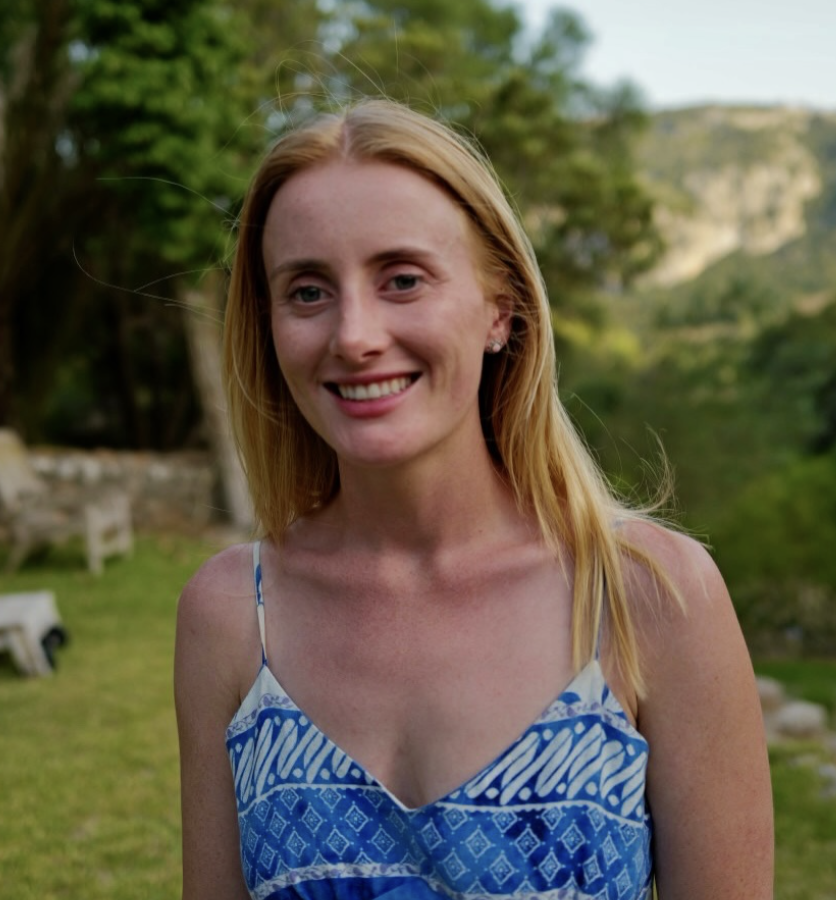
In this guest interview episode, I sit down with Lauren Hidalgo, founder of Awarehouse, an online marketplace connecting shoppers with vetted small makers, and we get into why a $195 throw blanket might actually be the bargain — not the $25 throw pillow you didn't think twice about. It comes down to a question most of us never stop to ask: what are we actually spending, over time, on things that don't last and don't mean anything?
Lauren built Awarehouse because searching for something well-made online — on Etsy, on Amazon — had become overwhelming: too many listings, an unreliable search engine, no way to know who actually made what you're buying or how. Every product on Awarehouse comes from a real person with a real story, someone you could actually reach if you had a question. We walk through four specific pieces from her shop — a made-to-order throw blanket, a soy candle shaped like a national park, a hand-painted ceramic vase from southern Spain, and a hardworking cutting board — and talk about what each one actually costs to make, and what it means to spend money on something you'll never need to replace.
With your monthly subscription, you'll have access to exclusive, full length episodes, both audio and video. After signing up, you'll receive an email with easy instructions on how to add this premium show to your podcast player (Apple, Spotify, etc). And every week, you'll receive a link to the video version. As you may know, in the audio version, I make a strong effort to describe the designs we're looking at. But if you want to see everything for yourself, you'll want to click the link to the video version we'll be sending you.
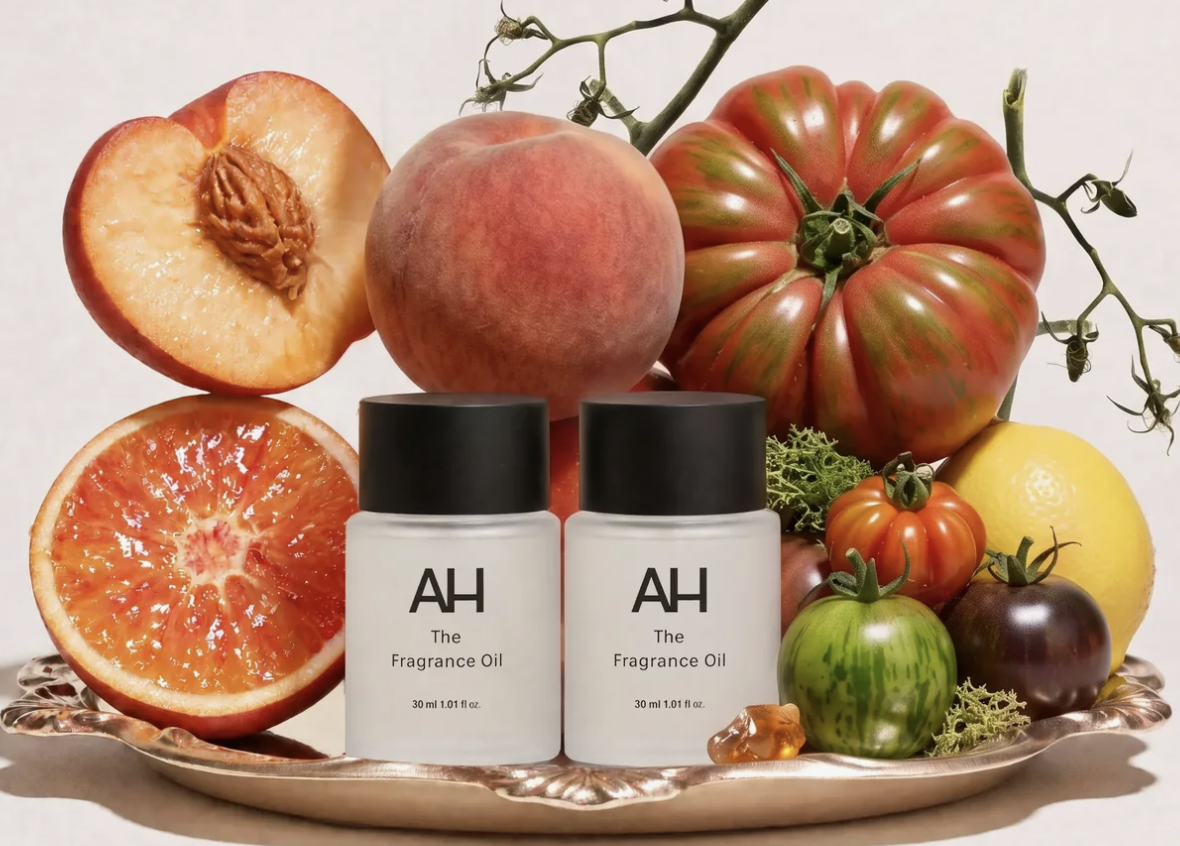
This episode is sponsored by Aura House.
Elegant diffusers, clean, natural scents, free of toxins.
KEY TAKEAWAYS
A single well-made throw blanket can cost more up front than a handful of cheaper home goods combined — and still be the better deal. Add up enough $25 throw pillows and $12 candles- the ones bought without much thought and replaced within a year or two- and you'll often find you've spent the same amount, or more, with nothing to show for it. The math doesn't change based on how the money left your wallet.
Why Etsy stopped working for handmade shopping
What was once a go-to source for handmade goods has become difficult to navigate — an overwhelming number of listings, a search engine that buries quality under volume, and increasing amounts of inventory that isn't actually handmade or from small artisans at all. Awarehouse was built as a smaller, vetted alternative: a limited number of makers, each with a real story you can access directly.
The dying mill behind the $195 throw blanket
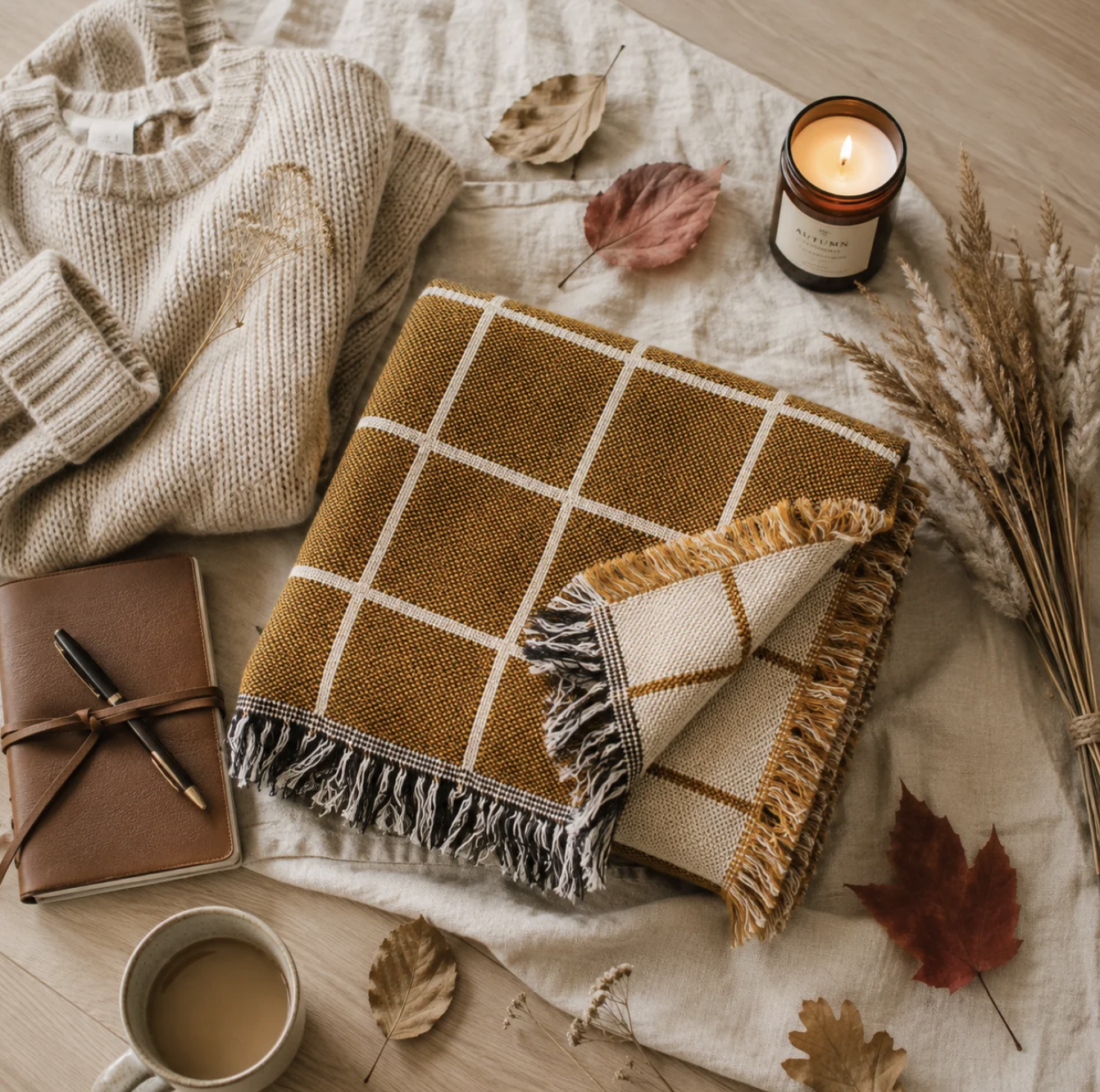
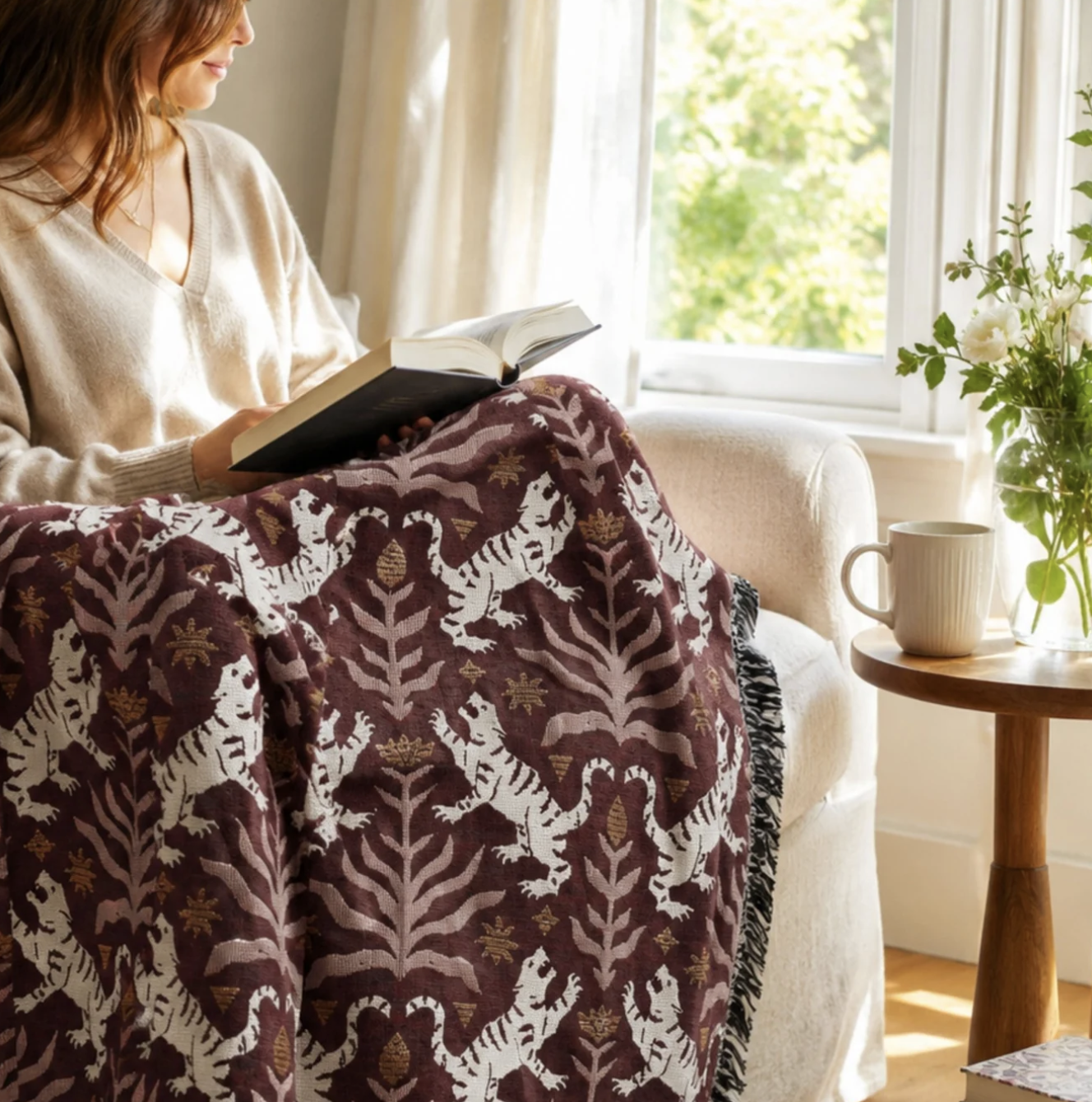
The blanket at the center of this episode comes from Biquette, one of the last textile mills of its kind still running in the United States — down from roughly 60 in operation decades ago to five today. Every blanket is made to order, using Egyptian or organic cotton, which cuts down on production waste. The price reflects a nearly extinct kind of manufacturing, not markup.
What's actually in a cheap candle
Mass-market candles, especially imported ones, can contain lead or other heavy metals in the wick and synthetic fragrance oils — both of which you inhale every time you burn one. A Colorado-based maker featured in this episode uses a clean soy base and discloses exactly what's in every candle, information that's rarely available from big-box retailers.
Buying across cultures, not just from home
Not every well-made object needs to come from the United States. One featured piece, a hand-painted ceramic vase, comes from a small factory in southern Spain with a centuries-old tradition of hand-painted pottery. Supporting international makers directly, rather than through mass import channels, is its own form of cross-cultural exchange.
Cost per use: a different way to think about price
Rather than asking whether something is expensive, it's worth asking what it costs over the life of the object. A well-made piece that lasts decades is often a better value than a cheaper version replaced every year or two, even though the sticker price says otherwise.
Why small American makers are struggling to be seen
Independent makers are often doing everything themselves — production, shipping, marketing, and customer service — while competing against advertising budgets they can't match. Choosing to support one small maker, whether through a platform like Awarehouse or a shop in your own neighborhood, has more impact than it might seem.
Links Mentioned In The Episode
Aware House Website